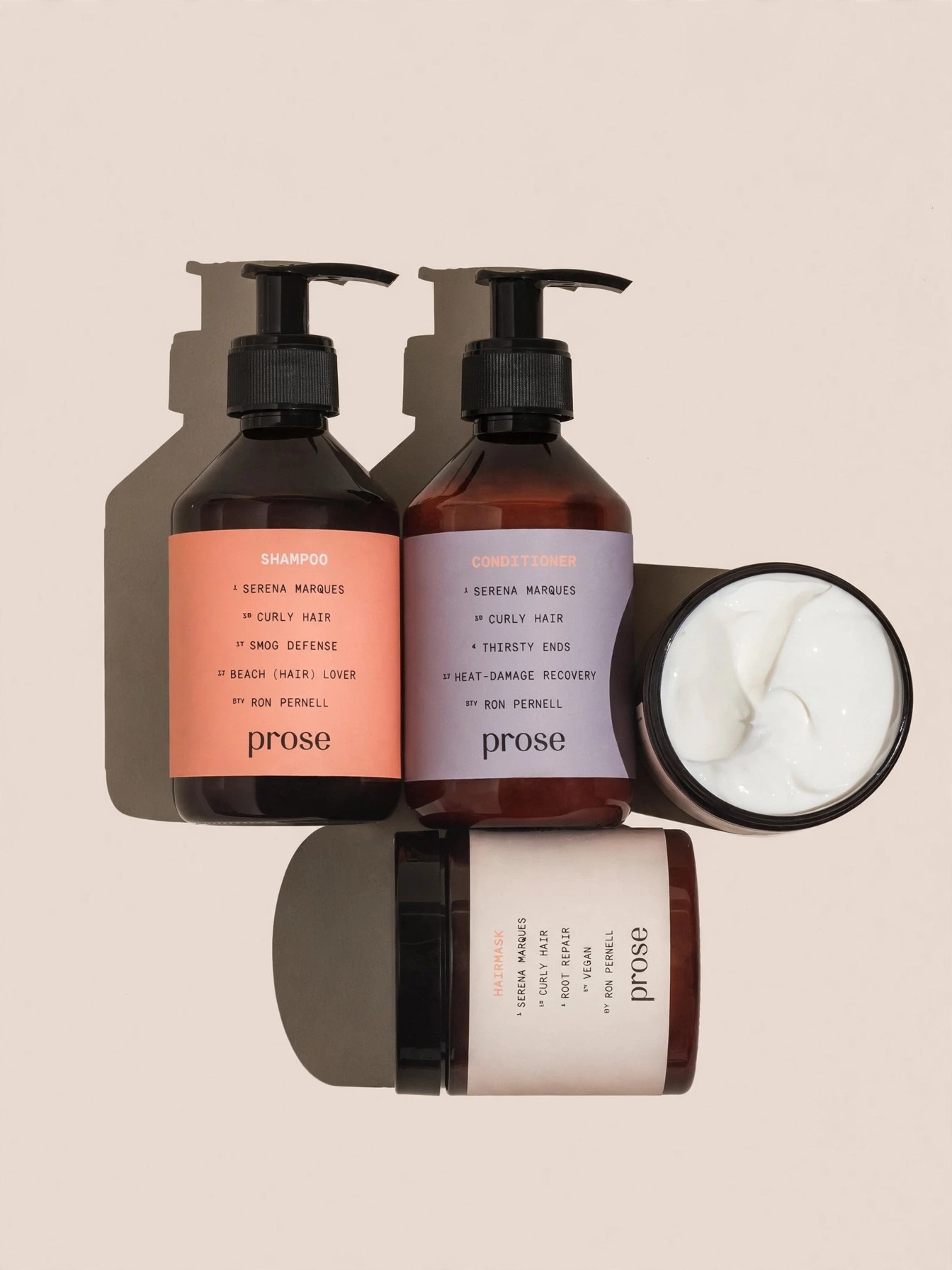
Prose did not start with a bottle. It started with a consult, a lab bench and a factory that waits for your order. Arnaud Plas talks scalp maps, shampoo dosing, feedback loops and why one head deserves its own formula.
He is not in a salon when he tells the story. He is in the back and forth of working life, late discussions at LOreal with Paul Michaux about where the industry was going, then eighteen months back in France sketching a mission for personal care. In Paris, Dusseldorf and New York he had learned mass beauty from the inside, as Skincare Group Manager and then in digital and e-commerce strategy. The question that followed him out the door was plain. Why group people as long hair, blonde hair, curly hair and dandruff when technology could make a product for a person, not for a segment.
That question became Prose in Brooklyn. Launched in December 2017, the company makes custom hair care and later skin care to order. You answer about biology, lifestyle and environment. Software selects from more than 200 ingredients. A machine in New York builds the bottle after you buy it. If it is not right, members get formula adjustments under what the brand calls The Prose Promise.
What others miss is how operational the idea is. This is not picking a scent and calling it custom. It is refusing mass production, refusing one size segmentation, and building manufacturing that can dose small and change often. Plas is frank about the cost of that choice and the discipline it takes to sequence growth. Wash day, in his telling, starts long before water hits the scalp.
How did two LOreal marketers and a salon chemist end up running a factory that waits for your shower. You were having those intense discussions about white spots in the market. What did you see that a big shelf could not fix.
We were having intense discussions about where the industry was going, LOreal’s position in the market, the white spots. I hired Paul at LOreal in 2015 and we kept coming back to the same gap. Customer segmentation grouped people broadly into long hair, blonde hair, curly hair and dandruff. That helps put bottles on shelves. It does not help the person whose scalp is oily at the crown and dry at the nape, who swims twice a week, who lives with hard water and winter heat.
I said, I just want to be an entrepreneur. I would have too many regrets if I stayed an employee forever. So we went back to France for 18 months to work on mission and vision. Maybe 20 years ago, the technology just was not there yet, but I felt that now we could create something much more relevant for customers. We could create a product for a person, not for a segment. Prose was the only concept where I was waking up at night so excited, not just about the core product, but about all the things it could enable.
You started with a working name Per Se, then chose Prose before launch, and you brought in people outside beauty tech. How did a barber introduction and an investor introduction shape the first lab.
We knew we did not want to make a million units then try to sell it. We wanted to start from the person. The name moved from Per Se to Prose for trademark and bilingual reasons. It reads in French and English, which mattered to us coming from Paris and building in New York.
My barber introduced me to chemist Catherine Taurin, who had made custom hair products for a salon for over 35 years. She knew what happens at the sink, not only in a formula book. She knew how a mask sits, how long to leave it, how much oil is too much, what clients complain about on second wash. An early investor introduced us to our CTO Nicolas Mussat. That pairing set the method. Catherine brought bench craft. Nicolas brought systems. Paul and I brought the consumer view from Henkel and LOreal. We launched in December 2017 with that combination, salon knowledge plus software plus a factory mindset.
Truly custom gets said a lot. At Prose it means made to order in Brooklyn after a consult. Walk us through wash day from click to lather.
Truly customized products means we do not batch for a segment. You purchase first. Then our software powered machine makes your formula in our New York based manufacturing from more than 200 ingredients. That order of operations matters. It was better for the planet and better for our customers, because you get what your consult called for, not what a forecast called for six months ago.
On wash day, start with water. Soak hair fully with lukewarm water for a full minute. Take one to two pumps of your Custom Shampoo, emulsify in palms, then massage in with fingertips at the scalp, not nails. Work in sections if hair is thick or coiled. Lather, rinse, then repeat if you had product buildup or an oily week. Follow with Custom Conditioner from mid lengths to ends, comb through with fingers or a wide tooth comb, leave two to three minutes, rinse cool. If your scalp itches, flakes heavily, or you see broken skin, pause and see a dermatologist. For a baby with persistent patches, see a pediatrician. Custom helps fit. It does not diagnose.
You refuse mass production. That sounds clean on a slide and hard on a floor. What did you have to build to dose for one person at scale.
The key was really, how do we automate production and customization. We build and run our own manufacturing. If we were able to execute this, there would be a pretty high and significant value creation for the company. We would rather automate customization in house than marry to a mass production supply chain that wants long runs of the same thing.
In practice that means small dosing, tight cleaning between formulas, dermatologist testing, and a feedback loop that refines over time. Custom shampoo and conditioner are rinse off mixtures dosed from ingredients such as biotin, rice water bioferment and apple cider vinegar selected for hair strength, frizz and shine. You tell us how the first bottle behaved. Too light, too rich, scalp tight by day two, curls losing definition. We adjust. Members get free formula adjustments because hair changes with seasons, water, colour, stress and age. The factory has to be ready for change. That is the work.
We could create a product for a person, not for a segment.
Arnaud Plas
Hair outside broad segments is your customer. Bleached, coiled, shedding, tired. How do you set a routine that fits a real morning and a household budget.
We start with scalp first, because hair grows and rests there. Tell us texture, density, scalp oil, flaking, colour history, heat use, swim, city water, hat and helmet use, pregnancy and postpartum shedding if relevant. Then we set steps you will actually do. Most people need shampoo for scalp, conditioner for lengths, and one weekly treatment if time allows. Section for even distribution. Massage in for thirty to sixty seconds. Rinse fully. Pat dry, do not rub. Layer leave in only where needed.
Be honest about time and cost. If you wash twice a week, dose for that. If you buy for a partner’s beard, a teenager’s first routine, or a baby’s bath time with sensitive skin, keep routines short and shared where safe. Judge a scalp serum over weeks, not days, and track itch, oil by midday and flake size. If shedding comes in clumps, or a child’s skin flares and cracks, book care rather than adding product. Our belief is simple. We would rather make one product for a person than make a million units for a segment.
Ingredients do the quiet work here. What do biotin, rice water bioferment and apple cider vinegar actually do in a rinse off formula, in plain language.
They support the appearance of stronger, smoother hair when dosed for your need. Biotin is a B vitamin used in hair formulas to support the look of strength. Rice water bioferment is a fermented filtrate used to support shine and the feel of elasticity. Apple cider vinegar helps the formula sit at a lower pH, which may help cuticle feel smoother and support shine after rinsing. None of this treats, cures or prevents hair loss. Think of it as fit plus finish.
How you use them matters more than the names. Use lukewarm water, not hot. Hot water strips and leaves scalp tight. Massage, do not scratch. Leave conditioner on the clock, two to three minutes, while you shave or wash body skin. Rinse conditioner cool to help the feel of smoothness. If you bleach or colour, tell us before your next adjustment, because porosity changes how much conditioner your lengths drink. And keep notes. Week one lather, week two oil, week three itch. That feedback is what lets truly customized products evolve.
In 2023 you launched skin care and hit profitability for the entire third quarter. Why expand in a year when you were trying to hold discipline.
A major step with a spirit of reaching profitability was we launched skin care in 2023. That has been a journey. The reality is that when you want to be profitable, you have to sequence your efforts. We would rather sequence efforts than layer unprofitable initiatives at once.
Skin made sense because the Science of Personalization transfers. Same consult logic, same made to order logic, same feedback loop, now for body skin and face. Body skin gets the same hands on care. Massage in cleanser, shave with the grain, pat dry, layer cream on damp skin. Start there. But sequencing mattered. We automated production and customization first, proved members would stay and adjust, then added skin. If we were able to execute this, there would be a pretty high and significant value creation for the company. Doing in order let us grow without losing the fit that brought people to us.
Founders often move from doing everything to leading. You have said you have to move from doing to getting, to empowering, to representing. What changed in your week when Prose had to run like a factory and a lab.
You have to move from doing to getting, getting to empowering, from empowering to representing the company more and more. Early on I mixed formulas in my head and answered tickets. Then I had to get results through a team of in house scientists. Then empower leads to run quality, support and supply. Now I represent the company more, to retail partners, to investors, to new hires who never saw the first bench.
It is a fantastic experience learning about yourself and people in general. I am systems minded and optimistic about personalization, but the job is practical. Walk the floor. Ask why a pump drifted. Ask why a consult question confuses people. Keep subscriptions honest, with easy changes and clear value. Would we rather give first order aggressive trial than require first order profitability. Yes, if members stay because the second bottle fits better than the first. That only works if we sequence, automate and listen.
What should a reader do in the next four weeks to learn if custom is working for their scalp and strands.
Keep it simple and write it down. Week one, wash as directed and note lather, itch and oil by evening. Use the same water temperature each time. Week two, check flake size, crown oil and end dryness. Do not add new oils yet. Week three, look at frizz in humidity, comb resistance and how long style holds. Week four, send feedback for your adjustment. Say what you felt in verbs. Lathered fast, rinsed clean, sectioned in four, left mask three minutes, needed two drops not five.
If scalp calms and lengths hold moisture longer, custom is fitting. If itch spreads, shedding spikes, or body skin stings and cracks, stop and get care. A dermatologist for scalp, a pediatrician for a baby. We would rather adjust or pause than sell you another bottle. Made to order only earns its keep if the next order fits better than the last. That is the Science of Personalization in daily life. One head, one formula, reviewed and refined.
Closing note from the desk
What stays with us is the order of operations. Buy first, make second, adjust third. Plas talks like an operator who learned beauty in big houses and then chose small doses, own machines and slow sequencing. The promise is not luxury for its own sake. It is fit for scalps and strands that never matched a segment.
Prose set out to replace broad labels with a product for a person. On wash day that means sections, minutes, pumps and notes. The bottle matters less than the loop. Lather, rinse, review, refine, and let the next bottle prove the work.
Product spotlight
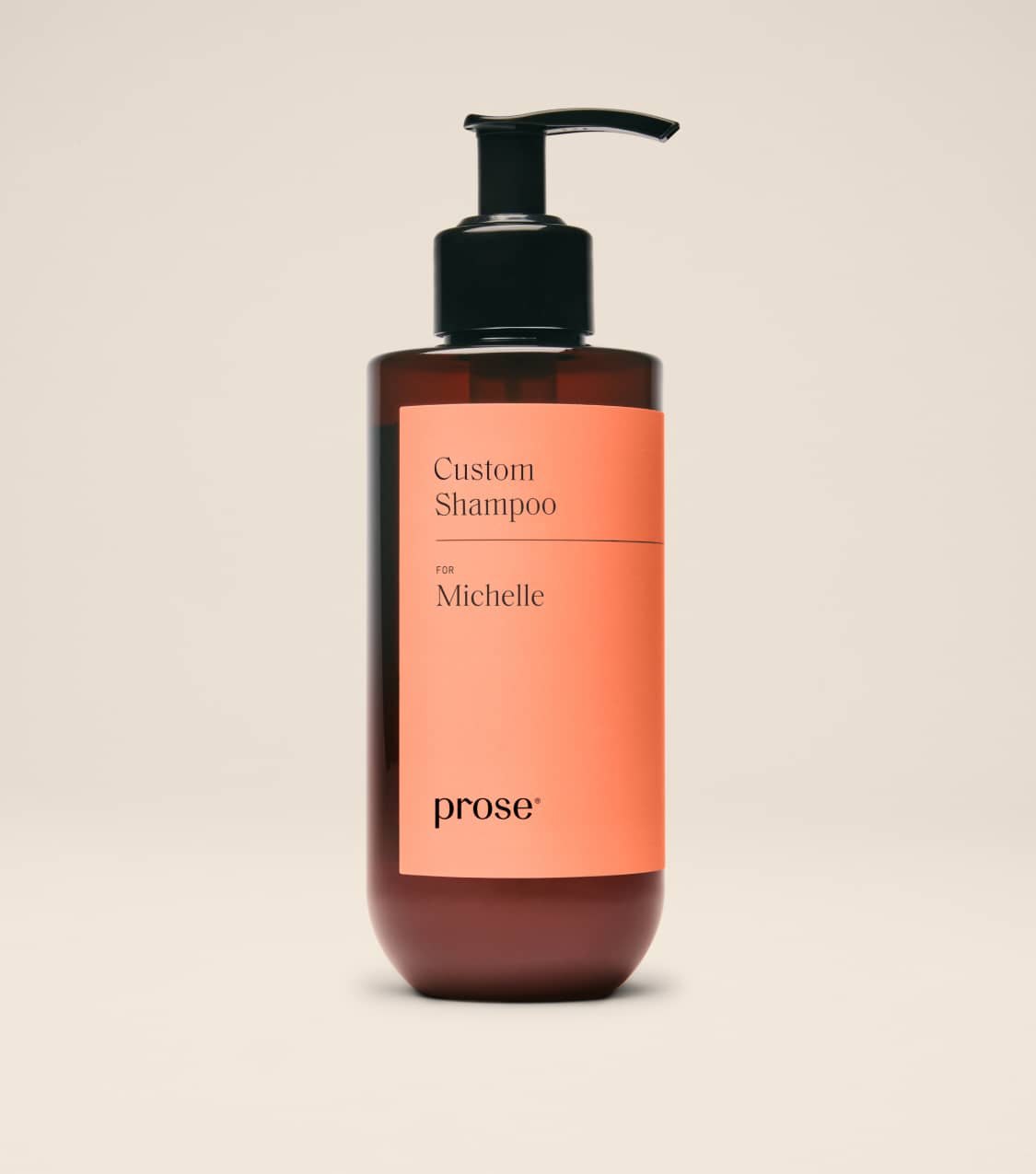
Custom Shampoo, made to order on prose.com with size set at checkout. Built from your consult for scalp oil, texture, colour history and water, dosed from the Prose ingredient library. Massage one to two pumps into a fully wet scalp in sections, lather, rinse and repeat if needed. Track oil, itch and flake for two to three weeks before you request an adjustment.
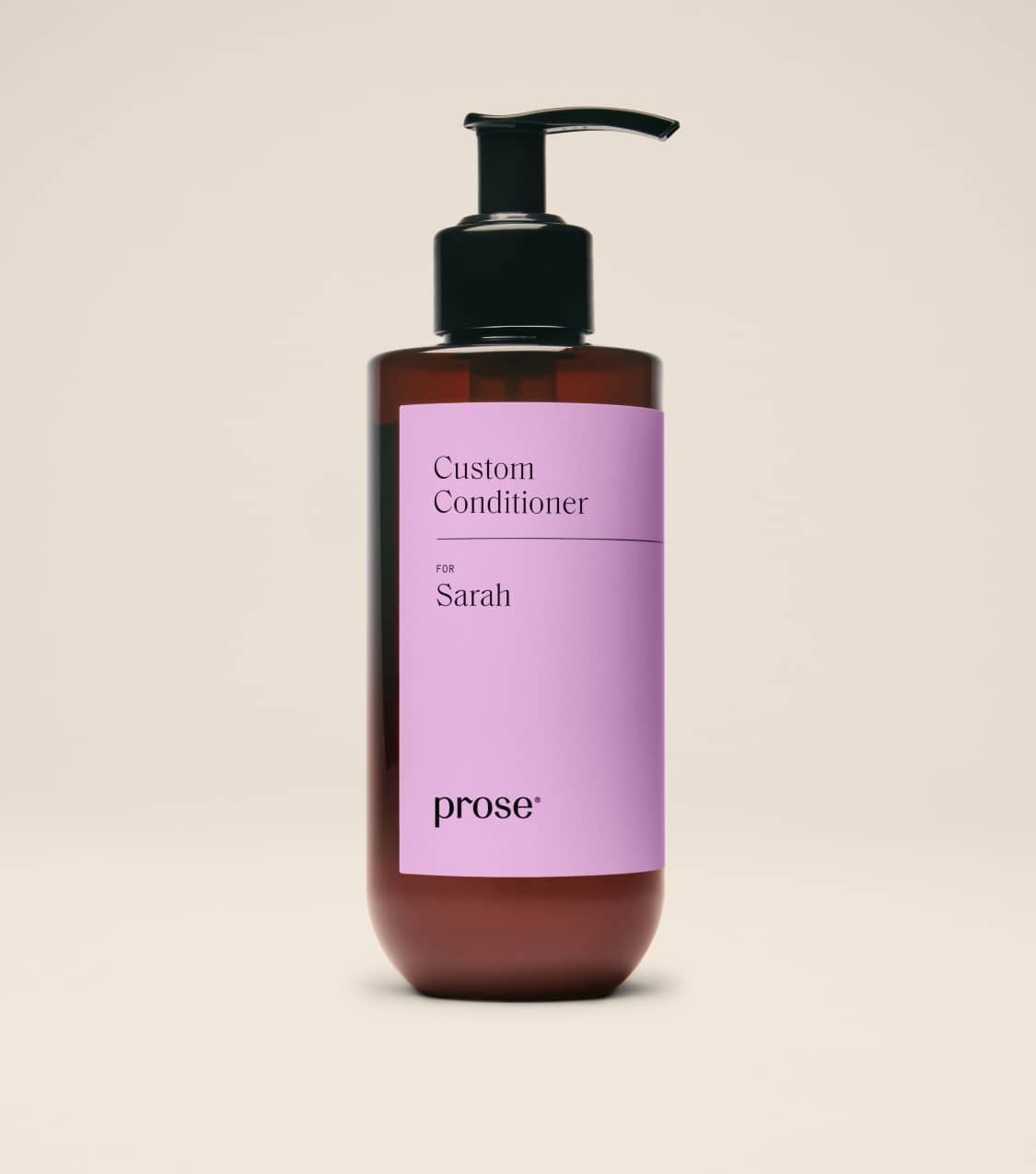
Custom Conditioner, made to order on prose.com with size set at checkout. Dosed to match the shampoo for porosity, frizz and shine, for mid lengths to ends. Comb through with fingers, leave two to three minutes, rinse cool. Use each wash, or as a weekly longer mask on dry ends. If irritation or heavy shedding appears, pause use and seek clinical advice.

Vanessa Delgado
Vanessa runs the news desk and the how-to guides at Body of Work. She follows every guide step by step at her own sink before it runs, with a kitchen timer on the counter.
More from Vanessa Delgado →