Ceremonia began with a father who braided, a mother who masked, and a daughter who forgot it all until her hair broke. Babba Rivera now bottles those Latin rituals as clean, silicone free care for scalp and strands. We talk technique, timing, and what to buy first.
Eight hours. That is how long Babba Rivera says her father once spent braiding her hair before class picture day in Sweden.
Rivera grew up in a homogenous town as the daughter of Chilean parents. Her father had trained as a hairdresser in Chile and could not get work in his field after the move, so he practiced at home. Her mother mixed oil with body lotion for dry skin and taught weekend masks as care, not vanity. Rivera then spent her teens and twenties straightening, bleaching and dyeing until her hair snapped and stopped growing.
Ceremonia launched in October 2020 from that repair job. Rivera was pregnant, reflecting on culture and shame, and looking for the same clean reset in hair that she had found in skin. She started with one scalp oil, Aceite de Moska, and built outward with guava led formulas that refuse silicones, sulfates and animal testing. Sephora later named it the next big thing in hair, making it the first Latina founded hair brand carried nationwide.
What others miss is the method underneath the story. Rivera repeats one motto, skincare before makeup, hair care before styling. Healthy hair starts at the scalp and needs constant hydration. She prefers fewer products that do more over a shelf of single task bottles. That is the thesis we follow here, hands in hair.
Your father braided your hair for eight hours before a school photo, after training as a hairdresser in Chile and not finding that work in Sweden. What did those hours teach you about care that a quick morning routine cannot?
My name is Babba Rivera. I am Swedish with Latin American roots, based in New York, and I am the founder and CEO of Ceremonia, a clean hair care brand rooted in Latin heritage. My father is a Chilean hairstylist who, from very young age, taught me the importance of practicing beauty as a form of self care, and of using natural ingredients from Latin America as medicine for the skin and hair.
There was something sacred about those rituals. It was about nourishment, not vanity. When someone spends eight hours on your braid, you learn patience. You learn that hair is not rushed. You sit, you detangle gently, you section, you smooth, you secure. My mother added the other half. She taught masks on weekends and mixing oil into lotion when skin felt dry in winter. I grew up with the constant feeling that I had to fit into a mold to be beautiful or successful, and those home rituals were the one place where our culture felt rich instead of different.
You damaged your hair for years with heat and color until it broke and stopped growing. What did that breaking point change in how you wash, dry and style now?
I did what many of us do. I straightened, I bleached, I colored, and I styled first and cared later. My hair broke and it stopped growing, and no styler could hide that. After I replaced my skincare with a clean toxin free regimen, I wanted the same for hair. I went looking for silicone and sulfate free care built around health, and I could not find products that met my clean and sustainable ambition.
So I changed the order. Skincare before makeup, hair care before styling is my motto, and my favorite products are the ones that do both at the same time. Now I wash with care in mind, I protect before heat, I hydrate while damp, and I would rather embrace natural texture than tame it with constant straightening and bleach. Healthy hair really starts at the scalp and needs constant hydration, so the scalp gets attention every week, not only when it itches.
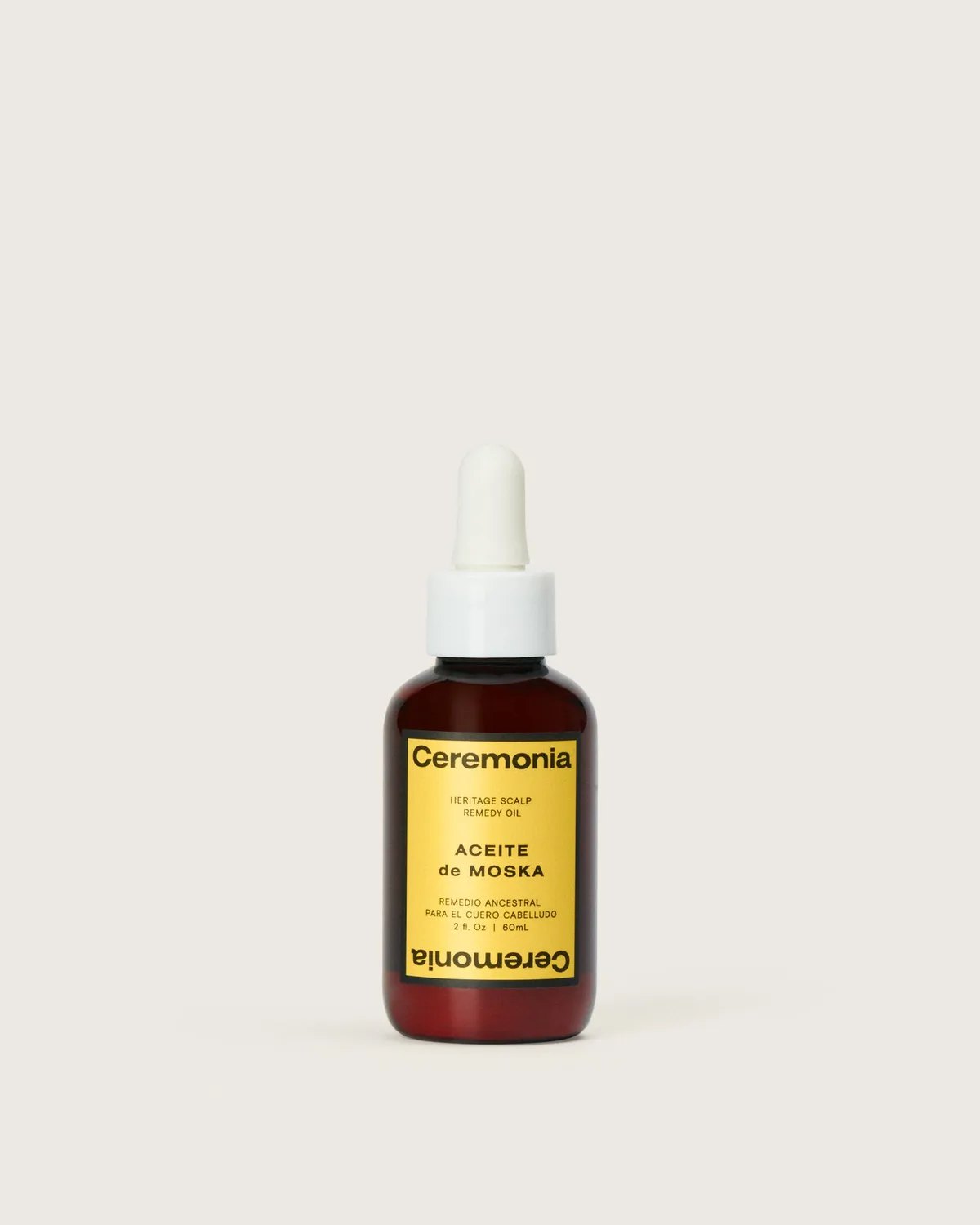
Aceite de Moska was your first launch, the heritage scalp remedy you now call Pre-Shampoo Scalp Remedy Oil. How should someone use it at the sink, step by step, and how long should they leave it on?
This is the product that started it all, and it is still the one I reach for every week, without fail. It is silicone free and made with castor oil, aloe vera, passion fruit and rosemary. I think of it as food for the scalp before shampoo. I credit this product for supporting the look of my long, silky hair, because breakage went down when the scalp felt balanced and the ends stayed oiled.
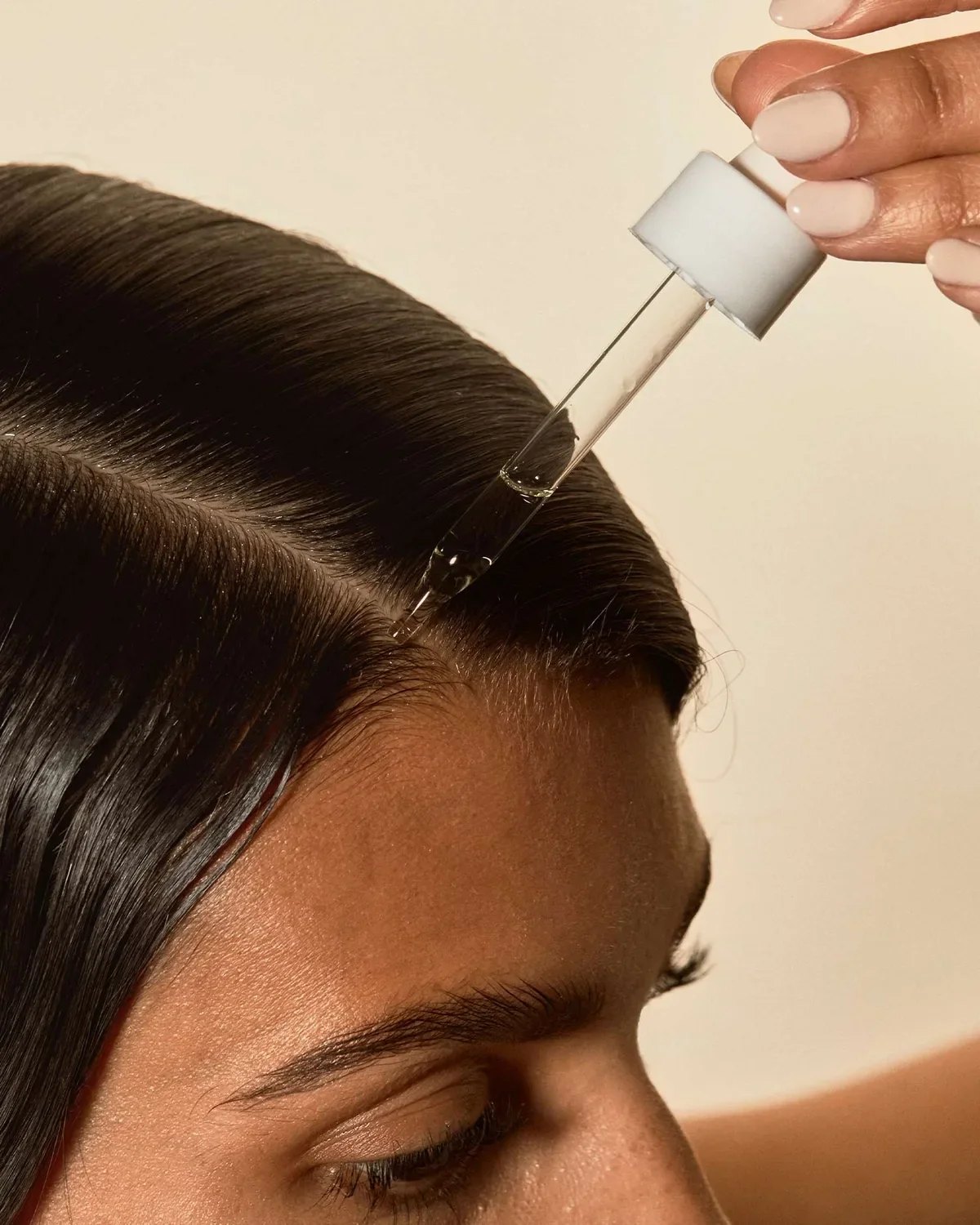
Here is how I do it. Part dry hair in three to four sections. Fill the dropper once and dot directly onto the scalp, not the lengths. Massage in with fingertips for two to three minutes, with light pressure, then pull what is left through the ends. Leave it 15 minutes when time is short, or overnight with hair in a loose braid and a towel on the pillow. Then shampoo twice and condition as usual. If flakes or itch persist beyond two to three weeks of steady care, or if skin is cracked or sore, see a dermatologist. For children with scalp irritation or eczema prone skin, keep routines simple and check with a pediatrician.
You built Ceremonia during pregnancy while reflecting on shame about your culture growing up in homogenous Sweden. How did that moment shape the brand name and the decision to center Latin rituals?
I had this need to create something that would allow me to share the richness of my culture. Creating Ceremonia is my way of rewriting that narrative. Through Ceremonia, I want to pay tribute to my latinidad and I want to help create that representation that I wish existed when I was growing up.
Ceremonia means ceremony in Spanish. I wanted the name to hold intention, because that is how I was raised to treat beauty, as a form of self care. When I was building the brand I thought a lot about my future child. I wanted her to know that their cultural heritage is a superpower, not a disadvantage. That gave me clarity on ingredients, language and imagery. We use Latin American superfruits, we name products in Spanish and English side by side, and we show rituals as they happen at home. Find your ritual is our invitation, and hair wellness is the frame.
Guava runs through your bestsellers, from the Leave-In Conditioner to the Rescue Spray to the Repair Mask. What does guava actually do for dry, frizzy and color treated hair, and where does it sit in a wash day order?
Guava is our superfruit for hydration and protection. It brings antioxidants that help protect the appearance of hair from UV, blue light and free radicals, while avocado provides vitamins B and E for strengthening and frizz control. Dry, frizzy, damaged and color treated hair drinks it up because it helps hair look smoother and feel softer without silicones.
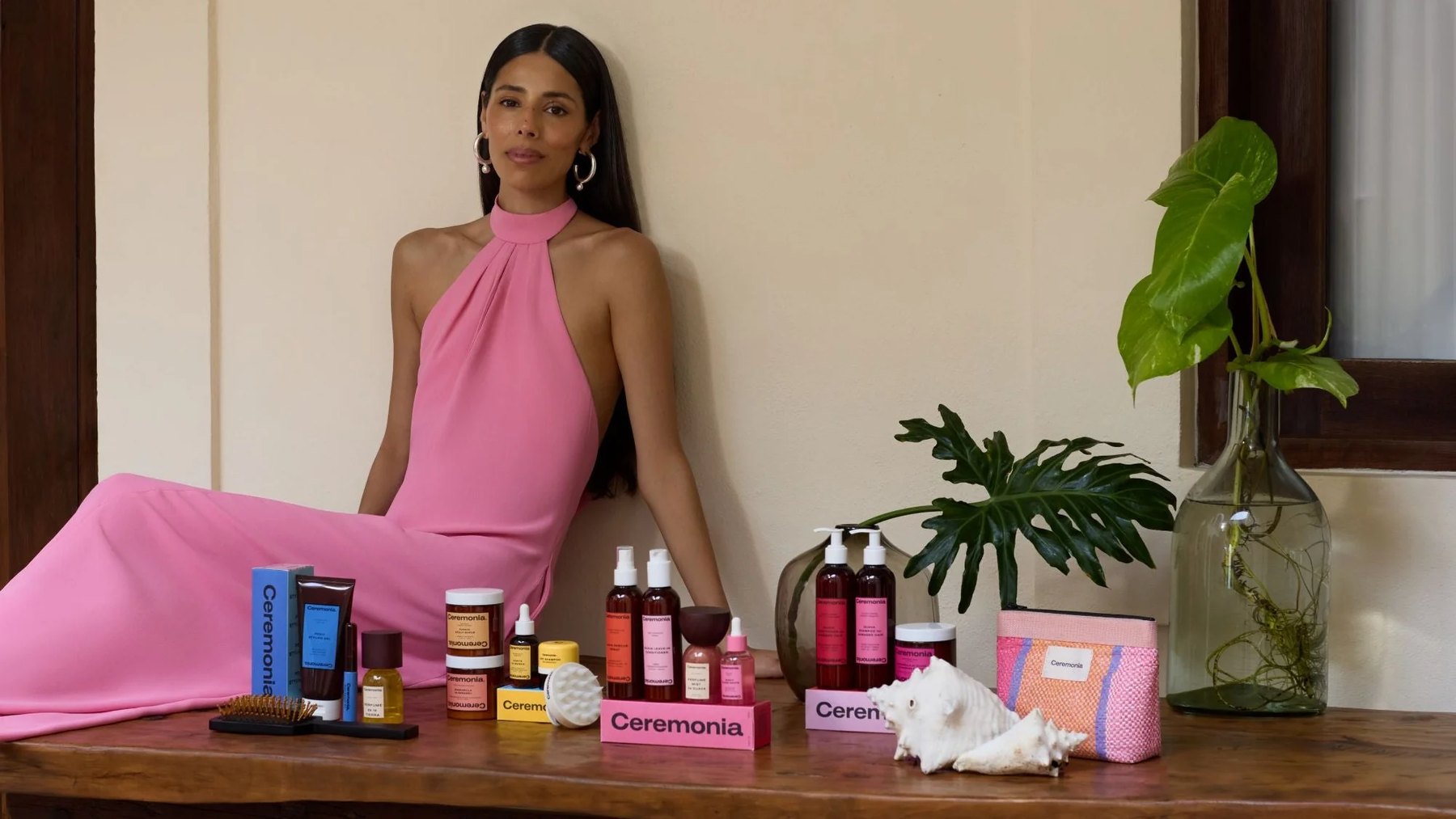
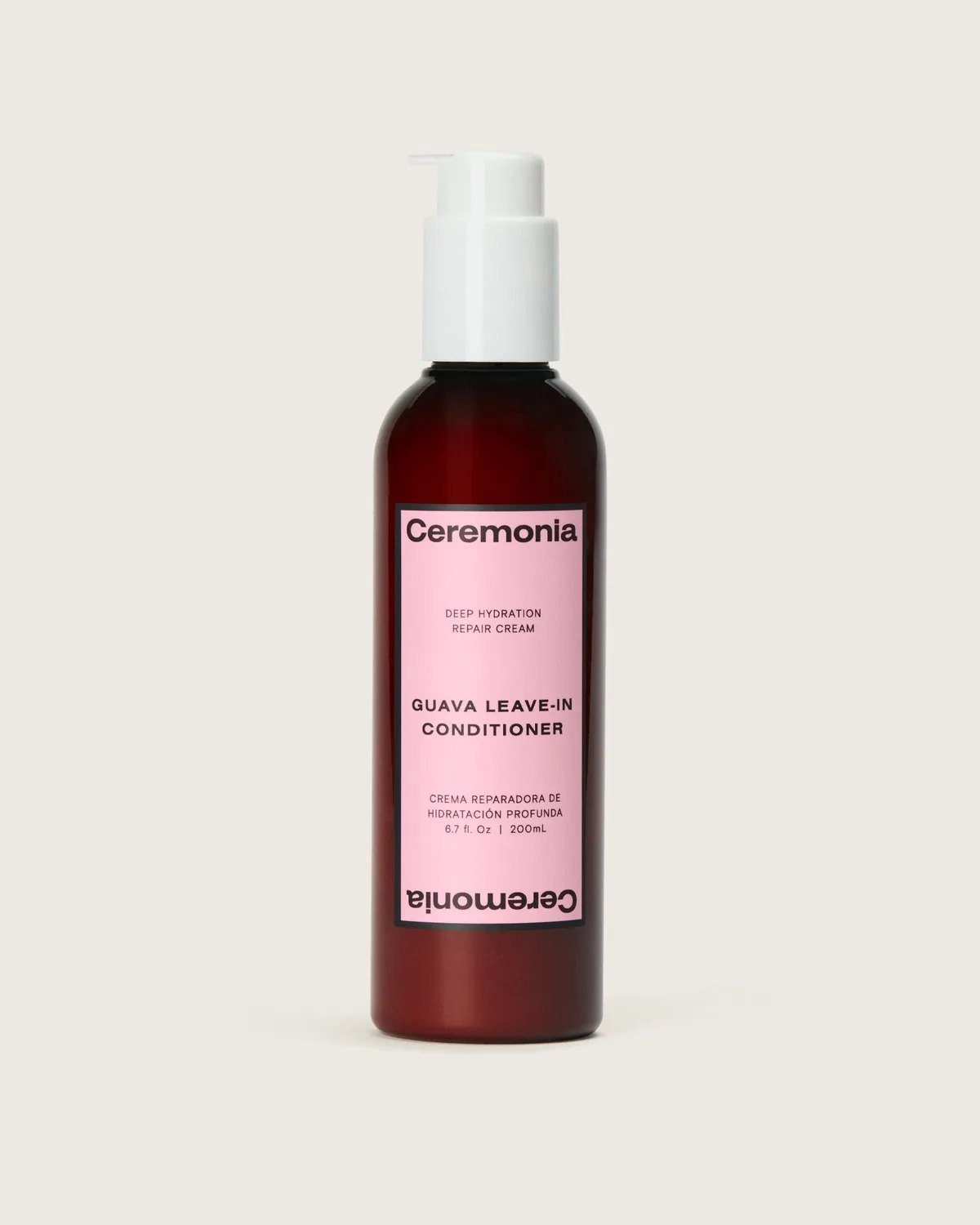
On wash day, keep the order simple. Shampoo, then use the Guava Repair Mask after shampoo instead of regular conditioner when hair feels dry or brittle. Rinse with lukewarm water. On still damp hair, apply the Guava Leave In Conditioner and focus on dry ends, then let hair air dry braided if you want stretch and less frizz. Use the Guava Rescue Spray throughout damp or dry hair for detangling and daily protection. That layering gives hydration, then sealing, then shielding. If you heat style, spray first and keep tools at or below the 450F protection claim on the label.
Skincare before makeup, hair care before styling is my motto, and my favorite products are the ones that do both at the same time.
Babba Rivera
Your Rescue Spray promises detangling plus UV and 450F heat protection with guava, butterfly ginger and avocado. How do you use it for a household with different textures, from coils to bleached lengths to a partner’s short cut?
I would rather use fewer products that do more than expect a 20 step routine needing one product for every single thing. That is why the Rescue Spray is built as a primer. It is a detangler. It is a heat and UV protectant. It is both.
For coils and curls, spray on damp hair in sections, then comb through with a wide tooth comb from ends upward and follow with leave in cream. For bleached or color treated lengths, mist mid lengths to ends, smooth with palms, then air dry or blow dry on medium heat. Refresh daily with one light pass instead of reloading. For short hair or a beard neighbor routine, one spritz on hands, pat through, then comb. Start with less. Fine hair needs two to three sprays, thick hair needs six to eight. If hair feels coated, you used too much. Rinse and use half next time.
Sephora called Ceremonia the next big thing in hair, the first Latina founded hair brand carried nationwide, and you later raised over 11 million dollars. What did that visibility change in the studio, and what did you refuse to change?
Representation matters when you can touch it on a shelf. I grew up without seeing our hair rituals reflected in stores, so being carried nationwide meant a girl like me could find us during a normal shop. That pushed us to tighten testing, sourcing and supply so formulas stayed consistent at scale. We make formulas from scratch with clean, vegan, cruelty free ingredients sourced from nature, backed by clinical testing, and we kept that bar.
What we refused to change was the care first approach. We refuse silicone and sulfate formulas. We refuse animal testing at any phase of development. We refuse a styling first approach over hair health. We also refuse 20 step routines needing one product for every single thing. Growth brought more eyes and more feedback, including an Allure Beauty Award and a Womens Health Beauty Award for the scalp oil in 2021, but the brief stayed the same. Fewer steps, steady rituals, hair that looks healthy because the scalp and hydration come first.
Many readers buy for a whole bathroom, a teenager’s first routine, a partner’s flakes, a baby’s bath time. What is your simple starter method for scalp comfort and frizz, and when should someone set product aside and call a clinician?
Start small and keep water lukewarm. Once a week, do the scalp oil for 15 minutes, then shampoo twice and rinse well. Follow with conditioner or mask, then leave in on damp ends. Sleep on a clean pillowcase and rinse sweat after workouts. Give a scalp serum two to three weeks of consistent use before you judge it, and change one variable at a time so you know what helped.
For teenagers, teach the order and the amount, quarter size cream, dime size oil for ends, and shave with the grain when shaving. For a partner with flakes, keep scrubbing gentle and avoid scratching with nails. Pat skin dry and layer light moisture. For babies and eczema prone skin, keep scents and actives away and ask a pediatrician for a plan. If there is sudden shedding, bald patches, pain, swelling, oozing or scaling that spreads, pause actives and see a dermatologist. Product supports the appearance of calm, comfortable skin and hair. It does not treat, cure or prevent disease.
Clean, vegan and cruelty free can mean many things on a label. How do you define those words for Ceremonia, and why did you rule out silicones and sulfates from the start?
For us clean means toxin free formulas made from scratch with ingredients we can explain, vegan means no animal derived ingredients, and cruelty free means we refuse to test on animals at any phase of development. Clinical testing on people helps us check for the appearance of less breakage, smoother ends and better hydration, not promises of regrowth or repair from within.
I ruled out silicones and sulfates because my own hair needed a reset. Silicones gave slip but built up on my strands, and strong sulfates left my scalp feeling stripped. On my quest to go silicone and sulfate free I could not find products meeting my clean and sustainable ambition, so I set out to build it myself starting with Aceite de Moska scalp oil. We use plant oils, fruit extracts and gentle cleansers that rinse clean, and we test for stability and safety before launch. The goal is hair that looks like itself on a good day, with steady moisture and less snag.
Closing note from the desk
What stays with us is the sound of the work, parting, dotting, massaging, rinsing twice, pressing cream into damp ends. Rivera speaks in verbs and minutes, not adjectives. Fifteen minutes for the scalp, two to three for massage, damp not dripping for leave in. That plain timing is generous in a category full of vague promises.
Ceremonia set out to restore the look of healthy hair through Latin rituals with clean formulas and clinically backed results. Fewer bottles, clearer order, culture held with pride. For a busy bathroom shared across ages and textures, that reads as usable respect.
Product spotlight
Pre-Shampoo Scalp Remedy Oil, 38 dollars for 2 Fl. Oz. or 60 Ml. A silicone free heritage scalp remedy with castor oil, aloe vera, passion fruit and rosemary. Apply to dry scalp in sections, massage two to three minutes, leave 15 minutes or overnight, then shampoo twice.
Guava Leave-In Conditioner, 30 dollars for 6.7 Fl. Oz. or 200 Ml. A deep hydration repair cream with guava antioxidants for dry, frizzy and color treated hair. Apply to still damp hair with focus on ends, comb through, then air dry braided or style as usual.

Vanessa Delgado
Vanessa runs the news desk and the how-to guides at Body of Work. She follows every guide step by step at her own sink before it runs, with a kitchen timer on the counter.
More from Vanessa Delgado →