
“My Healing Balm provides shelter, water, and food.” That plain comparison tells you how she works. Cover, hydrate, nourish, then leave skin alone to do its mending.
In 2015 Dr. Heather D. Rogers set aside petroleum staples in her Seattle practice and began giving patients a castor oil and glycerin ointment called Restore Healing Balm. She is a double board certified dermatologist and dermatologic surgeon at Modern Dermatology in Seattle, a clinic she helped start, and she still sees patients full time.
She calls herself a reluctant maker. Patient care came first and a product line never formed part of the plan. The shift came at the basin and the bedside, watching tidy laser results turn red and rough under the aftercare. Lanolin reactions, dislike of petroleum, and botanical salves loaded with scent left fresh skin uneasy just when it needed quiet.
Reading her interviews closely shows a clinical regard for plants. She keeps castor for cover and glide, glycerin with aloe for moisture, squalane with niacinamide for barrier ease. The shelf stays short on purpose. Wash gently, treat lightly, seal thinly, repeat until calm returns.
You still treat patients every day, you earned Iron Surgeon Best Cosmetic Dermatologist in 2023, and Nordstrom, Credo, Cos Bar, Revolve Beauty, Violet Grey, Amazon and medical offices all carry your line. What keeps the range tight and plant led while wider distribution could pull it broad.
Thanks for looking at the practice first. That room keeps me honest. I went into dermatology because you can spot the concern, treat it, and see skin answer back. The work feels direct. You rarely wait months to learn whether you helped. I carry that plain feedback into each formula.
Caring for patients has always been my first love. Creating a skincare line was never my original plan. I began because I needed an option I could rely on after procedures. We would do careful work with lasers to make an injury prettier and then whatever was placed on top pulled healing backward. People had paid thousands, then broke out in reactions to widely suggested ointments. That felt wrong.
So I seek ingredients with clinical support for benefit and low chance of irritation. I want people to find their best skin without asking skin to carry more than it can manage. Our skin is not built to take seven steps and 250 ingredients twice a day. I prefer fewer, well made products that perform steadily, then observe, adjust, and hold the routine calm.
You have said with age we think skin wants more, yet it really tolerates less. That idea now grounds your range for sensitive, aging and post procedure skin. How does that shift how you dose squalane and niacinamide in your main face cream.
That line grew out of exams. People in their forties, fifties and sixties told me skin felt drier, thinner, slower to mend. They asked for richer help. Yet that same skin reddened, stung, or spotted with richer blends. With age we think skin wants more, yet it really tolerates less.
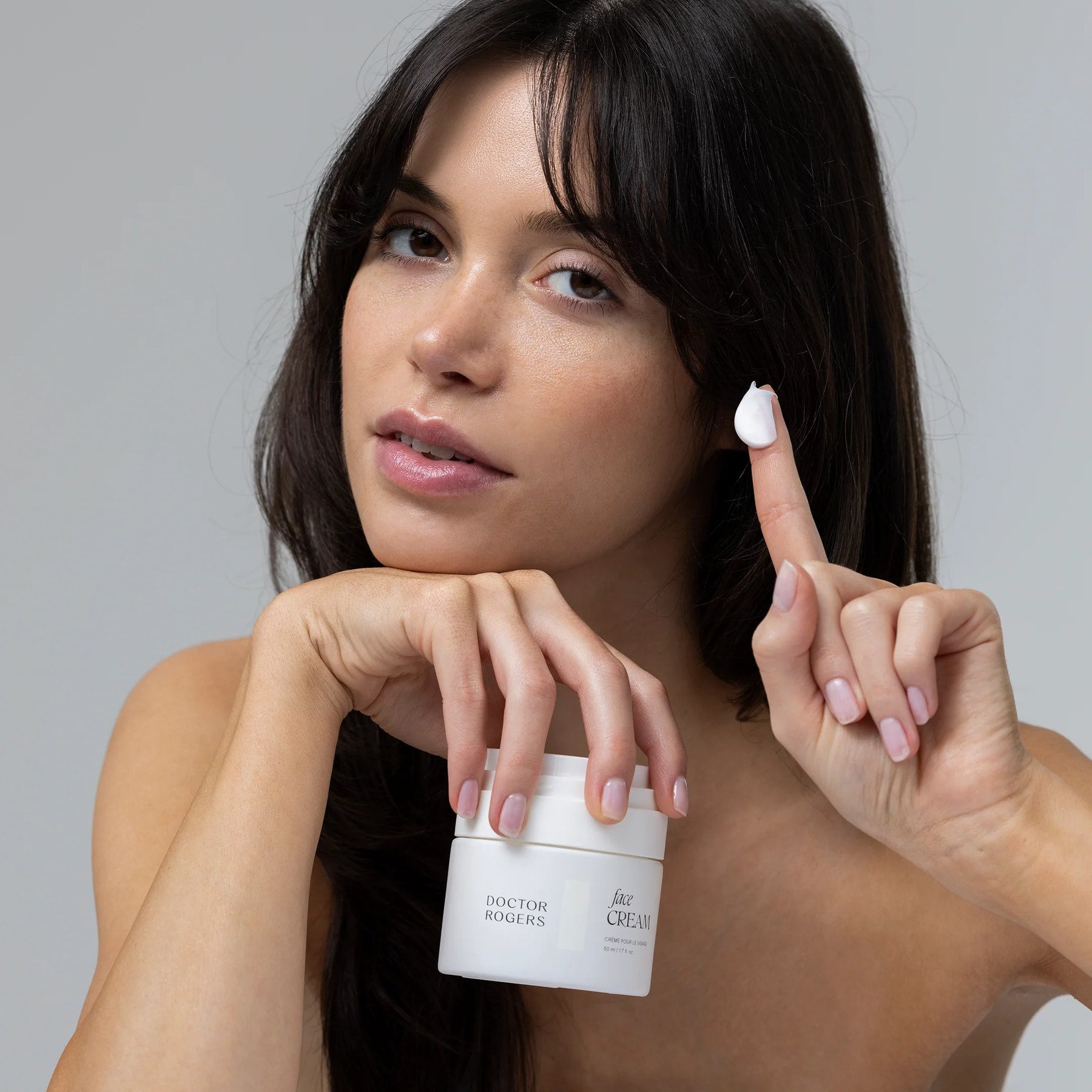
So we built the Squalane plus Niacinamide Barrier Support Face Cream around that tension. Squalane is a steady, skin compatible oil that softens without weight. It backs the barrier and helps lessen the look of water loss. Niacinamide is an anti inflammatory agent that backs barrier function and helps refine the look of uneven tone and large pores. Paired, they moisten while holding calm.
I apply it morning or evening as a daily moisturizer after an antioxidant serum and under sunscreen. For skin that wants more yet accepts less, sequence counts. Give skin water and treatment first, then seal it softly. No scent, no essential oils, no dimethicone heavy coat that merely rests on skin. Only even backing that lets barrier lipids perform.
In 2015 you launched Restore Healing Balm after seeing reactions to Aquaphor and to natural balms made with essential oils. A New York office later used it on one half of the face after laser, with Aquaphor on the other half, and Restore performed much better. What did that split face morning show you about plants and healing.
It taught me that plain can work better than familiar. Back then options narrowed to two. Petroleum based Aquaphor, which many patients disliked and which holds lanolin that may irritate, or botanical balms with essential oils that upset scars. Neither suited new, tender skin.
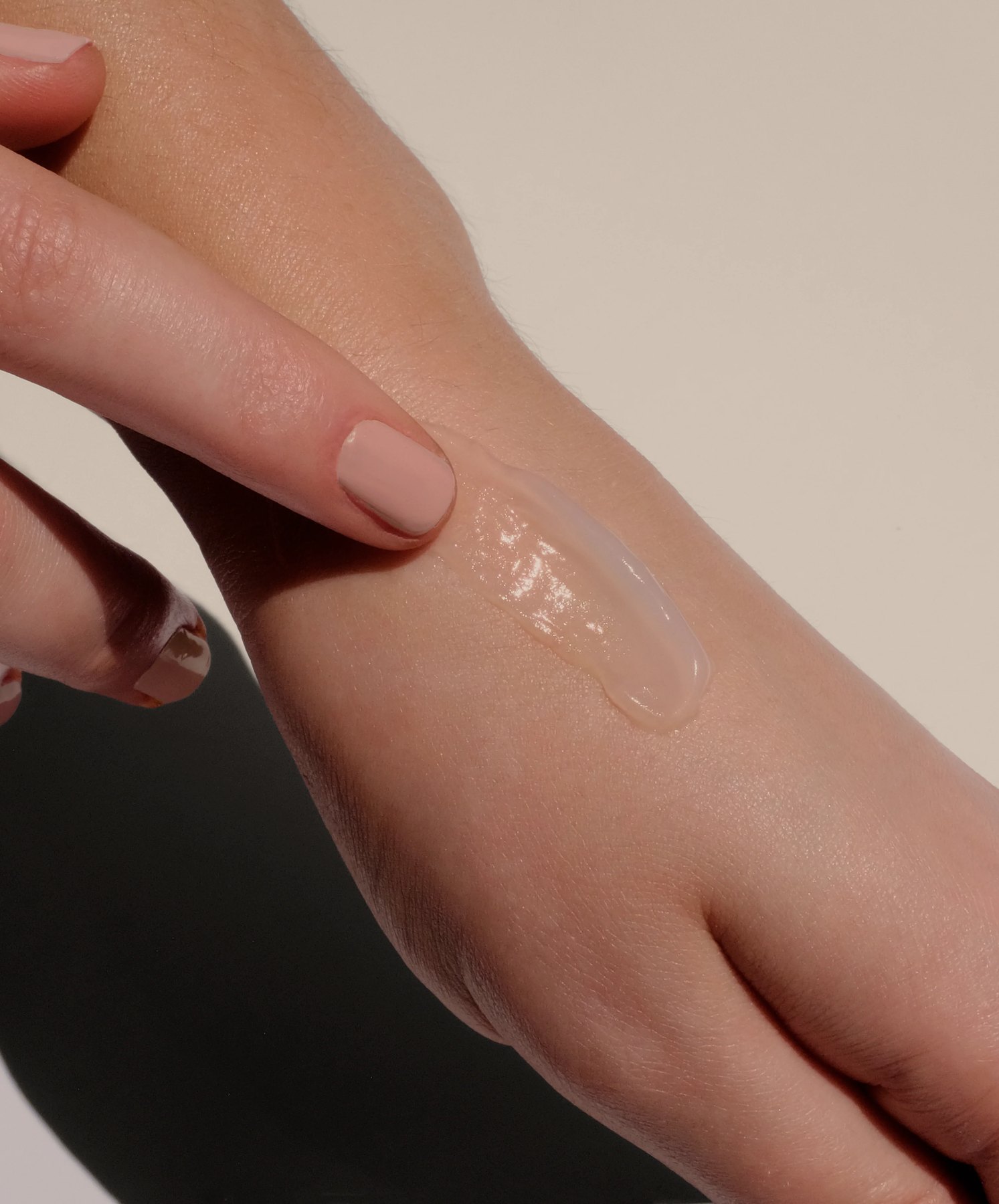
I blended Restore Healing Balm from castor oil and glycerin with no petroleum or lanolin. Castor supplies cover, a sheltering seal that keeps the wound setting stable. Glycerin pulls and keeps water. I often note Vaseline gives shelter, while my Healing Balm gives shelter, water, and food. Skin recognizes when you offer it sound nourishment, much as we feel stronger on a healthy, balanced diet.
That split face check stayed with me since it involved another clinic, not my patient and not my hands. A New York office spread Aquaphor on one cheek and Restore on the other after laser, and Restore worked much better. For a clinician, that kind of parallel view lingers. It affirmed that a plant oil, picked with care and kept free of scent and common allergens, could aid healing inside modern care.
You first knew skin as an organ that could improve fast. Dermatology was the first field where you felt able to fix a problem fast. How does that early lesson in repair still guide how you formulate.
I hold to fewer, stronger choices over long rituals, and I avoid dimethicone or mineral oil face creams that merely rest on skin. For a person caring for eczema prone skin across winter, the method stays spare. Cleanse once in the evening to lift the day. While skin stays faintly damp, press in serum if you keep one. Then smooth cream to back the barrier. Then, where skin splits or feels raw, tap a slim film of Restore Healing Balm across lips, eyelids, knuckles, or any sore patch. Night suits this well since skin rests and water loss climbs while we sleep.
Mornings stay lighter. Splash, serum, cream, sunscreen. Keep Restore handy for lips or near nostrils where cold wind chaps. The balm is hypoallergenic and biodegradable, prepared without petroleum or lanolin, so it suits sore or harmed spots without adding scent burden.
The aim is steadiness. Fewer coats, warmed in the palms with a breath between each. Mending skin asks for no novelty. It asks for the same kind care, morning and night, until the barrier turns quiet again.
You built a cleanser because Cetaphil felt like spit, left makeup behind and contained parabens. Your answer was a mild gel built on aloe and glycerin. What did you want cleansing to feel like for dry or aging skin.
I wanted the wash to leave skin clear and at ease, never taut. Many patients cleaned morning and night with a wash that left mascara or sunscreen sitting, so they rubbed harder. That rubbing, joined with stripping surfactants, tires the barrier. On dry or aging skin, the cost appears fast as flakes and tenderness.
The Aloe plus Glycerin Gentle Gel Face Wash joins aloe for light, watery glide with glycerin to help skin keep water during cleansing. It lifts mascara through sunscreen and sweat without that squeaky pull. I advise patients with dry or aging skin to wash at night to clear makeup, sunscreen and grit, then rinse with water alone in the morning. Night clears the day. Morning guards what the barrier formed overnight.
In short, my whole concept is simply to be your sure thing. A cleanser ought to feel sure and hushed. It should perform its task, rinse off, and leave skin primed for serum and cream.
Vitamin C serums can guard in another way than sunscreen, yet strong levels can bother sensitive skin. Your Day Preventive Treatment earned an Allure Best Clean Skincare award in 2026. How do you fit antioxidants beside sunscreen for patients who flush easily.
I set them beside each other, never as swaps. Sunscreen helps deflect and disperse rays. An antioxidant serum helps soften the look of free radical harm from sun and pollution in a separate way through the day. For easily flushed patients, strength and vehicle matter more than claims.
On tender skin I begin low, hold the base plain, and observe. Smooth a sheer coat after morning cleansing, then cream, then sunscreen. If prickle stays, pause and use less. Skin that wants more yet bears less usually fares better with a gentle daily amount than with a potent blend used off and on.
That is also why I keep scent and essential oils out of these stay on layers. When skin already runs reactive, each added aroma chemical adds labor. A placid base lets the antioxidant perform without forcing the barrier to handle irritation alongside.
Your standard is strict. Only ingredients permitted in the EU and Asia, vegan and biodegradable, without fragrance, essential oils, lanolin, parabens and phthalates, meeting the Credo Clean Standard. Why begin again from zero instead of settling when a formula nearly works.
Since near enough is where flare starts. I prefer to err on the side of caution over using hormone disruptors, carcinogens or doubtful additives. I prefer to start over from scratch than compromise on ingredients. If a blend needs perfume to feel nice, or a familiar allergen to feel lush, it fails my patients.
I also turn down sponsored ads or paid endorsements, which leaves focus on the blend itself. This is a calling, not a business venture. That phrase sounds weighty, yet it fits after years with eczema prone and post procedure skin. You come to prize low irritation risk as highly as performance.
Honoring rules for the EU and Asia, remaining vegan and biodegradable, skipping lanolin and essential oils, all this shrinks the pool. It also sharpens it. Plants that persist, such as castor and aloe, remain since they prove worth through data and tolerance, not since they seem botanical.
Our skin is not built to take seven steps and 250 ingredients twice a day.
Dr. Heather D. Rogers
You favor fewer, better products over long routines, and you reject dimethicone or mineral oil face creams that merely coat skin. For someone caring for eczema prone skin through winter, how should Restore plus cream plus cleanser be layered as a ritual.
Hands on practice keeps the range tight. When you meet reactions each week, caution holds. Patients arrive with sacks of jars asking what to retain. Most days I answer retain less. That restraint shapes the shelf. Mending balm for repair, mild wash for clearing without stripping, barrier cream for daily backing, focused serums for day and night. Every item must justify its slot.
Staying plant led, to me, calls for sparing harvest. Castor oil for occlusive ease. Aloe and glycerin for moisture. Squalane for lipid backing. I enjoy roots and fields like anyone, yet a plant extract counts due to conduct in formula, the spread, the seal, the response across two weeks, not due to how it looks in a photo.
Wider placement helps people locate a sure thing, whether inside a medical office or at Credo or Nordstrom. I welcome growth when rules stay intact. No scent, no essential oils, no lanolin, no parabens or phthalates, vegan and biodegradable where feasible. If a concept cannot thrive in that ground, it stays unplanted.
Closing note from the desk
What lingers is the steadiness of the method. Evening wash, morning splash, add water, lock softly, repeat. Rogers tends skin the way a careful gardener tends soil, neat at the margins, patient during healing, unwilling to push new shoots.
Doctor Rogers hoped to become a sure thing for harmed and tender skin. A balm that brings cover, water and nourishment. A wash that lifts without scouring. A cream that honors the riddle of age. Read at a slow pace, that is care worth retaining.
Product spotlight
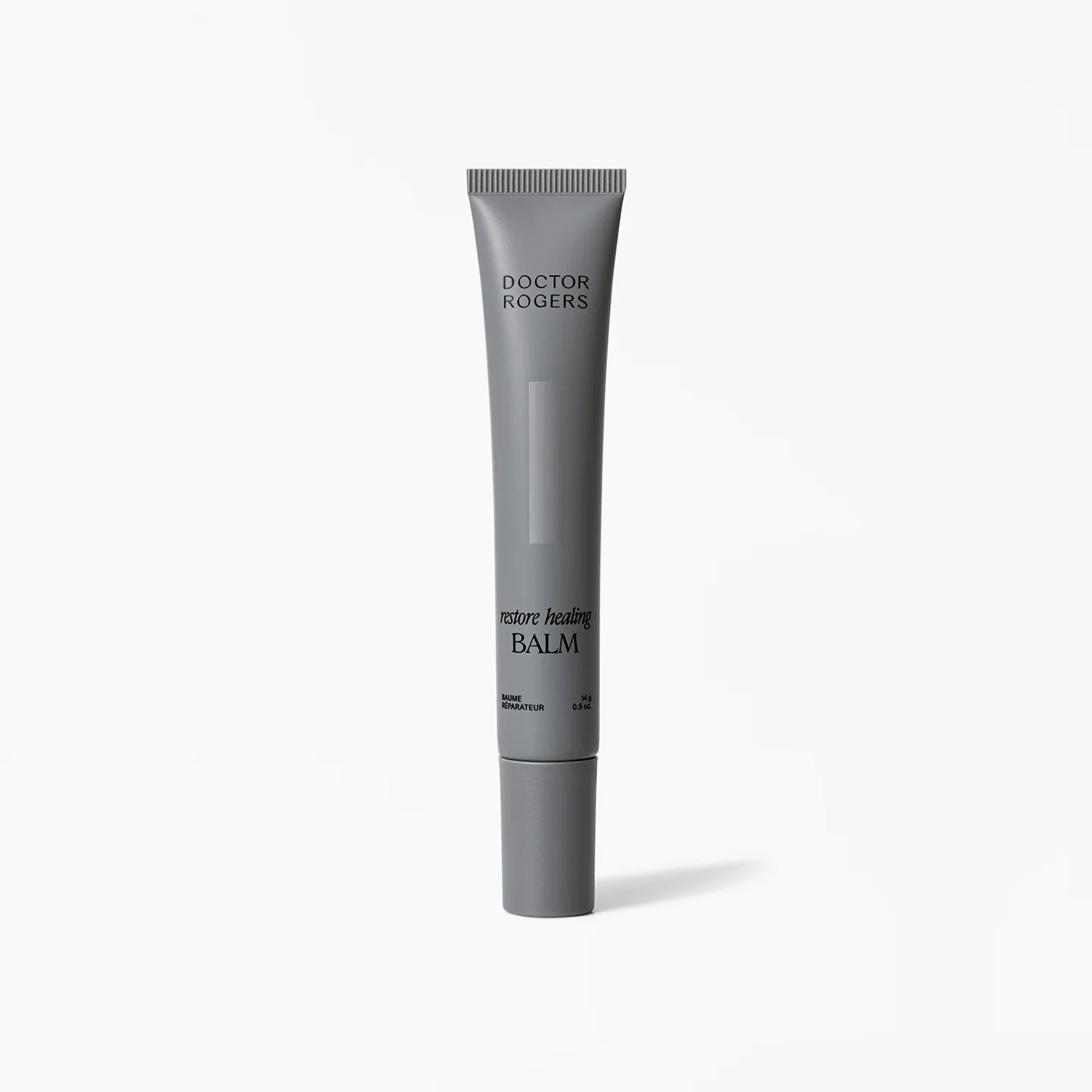
Restore Healing Balm, 24 dollars. A castor and glycerin salve for chapped lips, hands, eyelids and post procedure skin, prepared without petroleum or lanolin. Soften a pea sized amount between fingers and press onto dry or tender spots morning and evening, with an extra seal over cream before sleep.
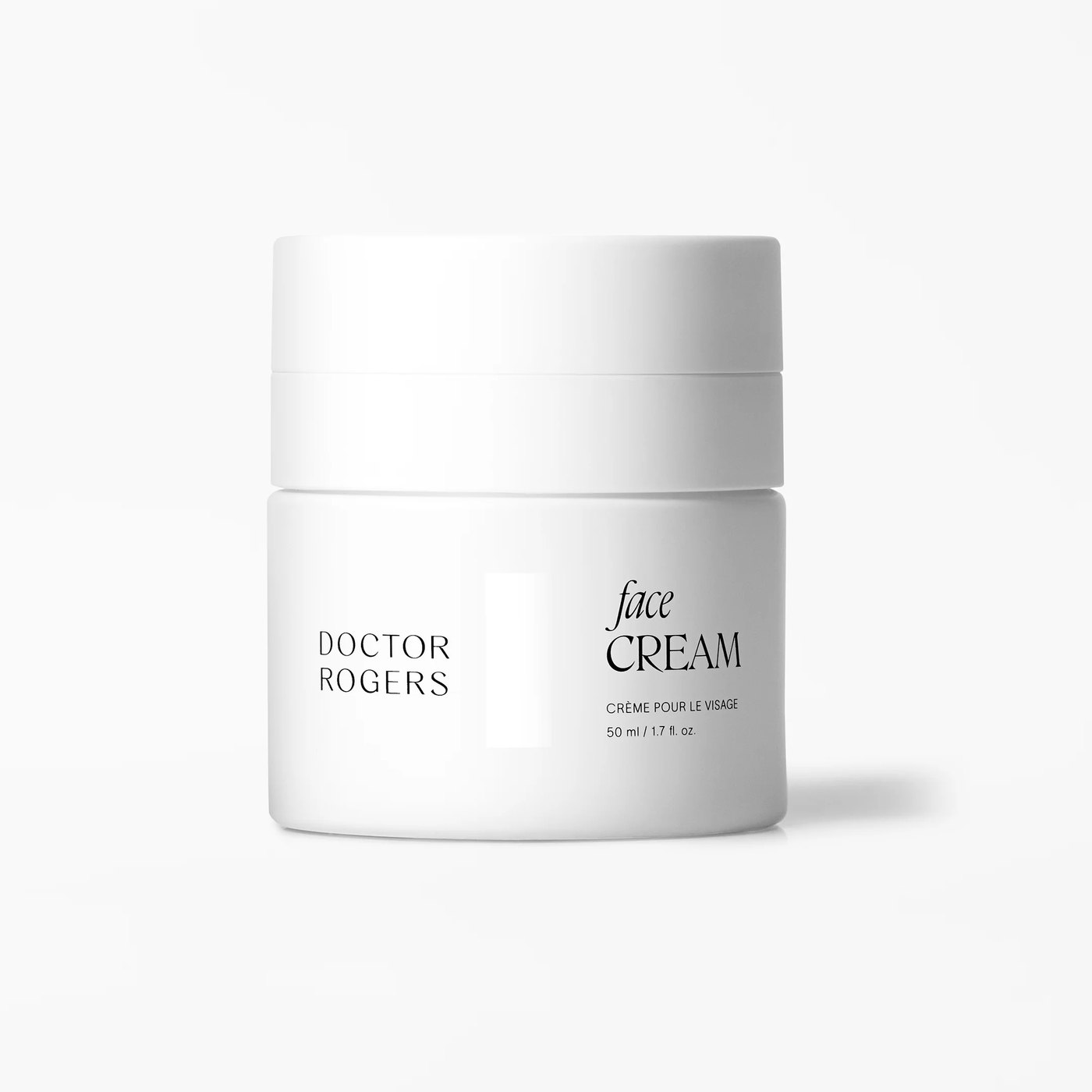
Squalane plus Niacinamide Barrier Support Face Cream, 88 dollars at the sink. A cushioned daily cream that hydrates deeply and backs the barrier for skin that wants more yet bears less. Massage a smooth coat across face and neck day or night after antioxidant serum, then add sunscreen each morning.

Vanessa Delgado
Vanessa runs the news desk and the how-to guides at Body of Work. She follows every guide step by step at her own sink before it runs, with a kitchen timer on the counter.
More from Vanessa Delgado →