
After fifteen years backstage, Helen Reavey had seen enough tight ponytails, bleach and dry shampoo to know where healthy hair really starts. She began mixing formulas with her husband in their New York apartment. Now she teaches scalp first care for every head of hair.
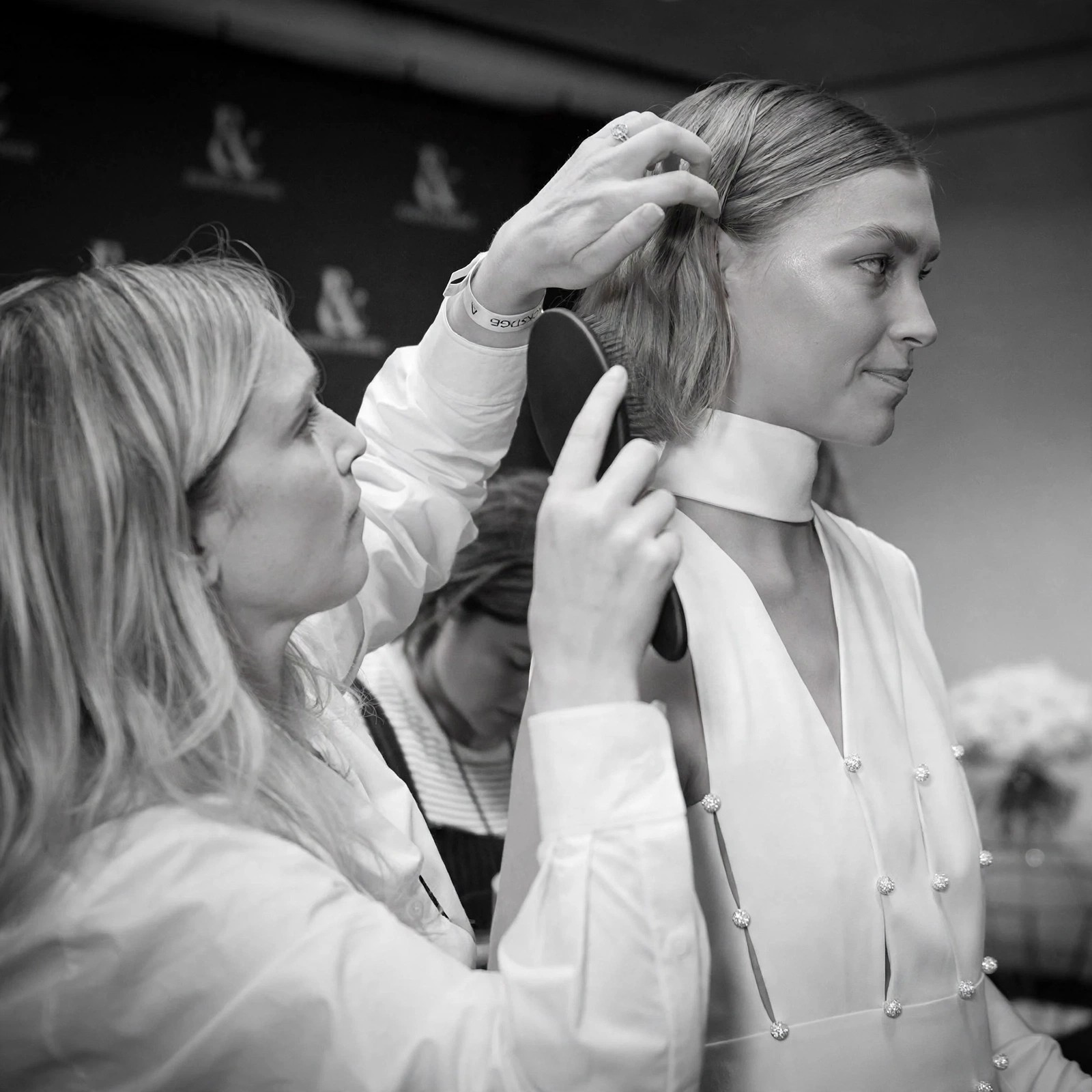
It is a Sunday morning in a small New York apartment and the whiteboards are everywhere. Helen Reavey and her husband Colm Mackin are home with chemist and physicist friends, talking through pressure, temperature and plant extracts instead of call sheets. She is still styling full time, still traveling for Fashion Week and for Alicia Keys, and she is spending weekends challenging how hair products get made.
Reavey grew up in Armagh in Northern Ireland, worked in her father’s corner store, trained in Dublin by day and beauty school by night, then moved to New York in January 2013. After fifteen years working worldwide she kept seeing the same thing across hair types, genders and nationalities. Poor scalp health. She had lived with scalp issues her whole life and she believed the scalp deserved the same care as skin.
Act+Acre was founded in 2018 to put that belief into practice. The promise is Cold Processed scalp first hair wellness for long term health, with no sulfates, no parabens and no quick fixes. What others missed is the method behind it. Instead of heating formulas, the brand blends with cold pressure in hyperbaric chambers, using ice cold water and 1,200 pounds of pressure, and says it uses 90 percent less energy. The thesis is plain. Wash your scalp, not your hair, and give it time.
You started as a stylist in Dublin, moved to New York in January 2013, and by September you were main stylist for Alicia Keys on the Girl on Fire tour. After fifteen years across Fashion Weeks, what did you keep seeing on scalps that made a new playbook feel necessary.
After 15 years as a fashion and celebrity hair stylist, I wanted to create a new playbook for hair wellness. I had worked across hair types and genders and nationalities, in New York, London, Milan and Paris, and I kept seeing poor scalp health. Dryness, oiliness, flaking, sensitivity, shedding. It did not matter how beautiful the style was. If the scalp was out of balance, the hair never thrived.
I suffered from scalp issues my whole life and I am an avid believer in treating your scalp with the same degree of care and attention as one treats their skin. I see the scalp as an extension of your face, but it ages six times faster than your face. That is why I always say that prioritizing the health of your scalp is the first step to really getting your hair to thrive. Hair wellness is a long term approach instead of a quick fix. It is about prevention, not damage control. It is about long term investment.
You say wash your scalp, not your hair, which sounds simple until someone tries it in the shower. How do you teach that motion, and how often should different scalps actually wash.
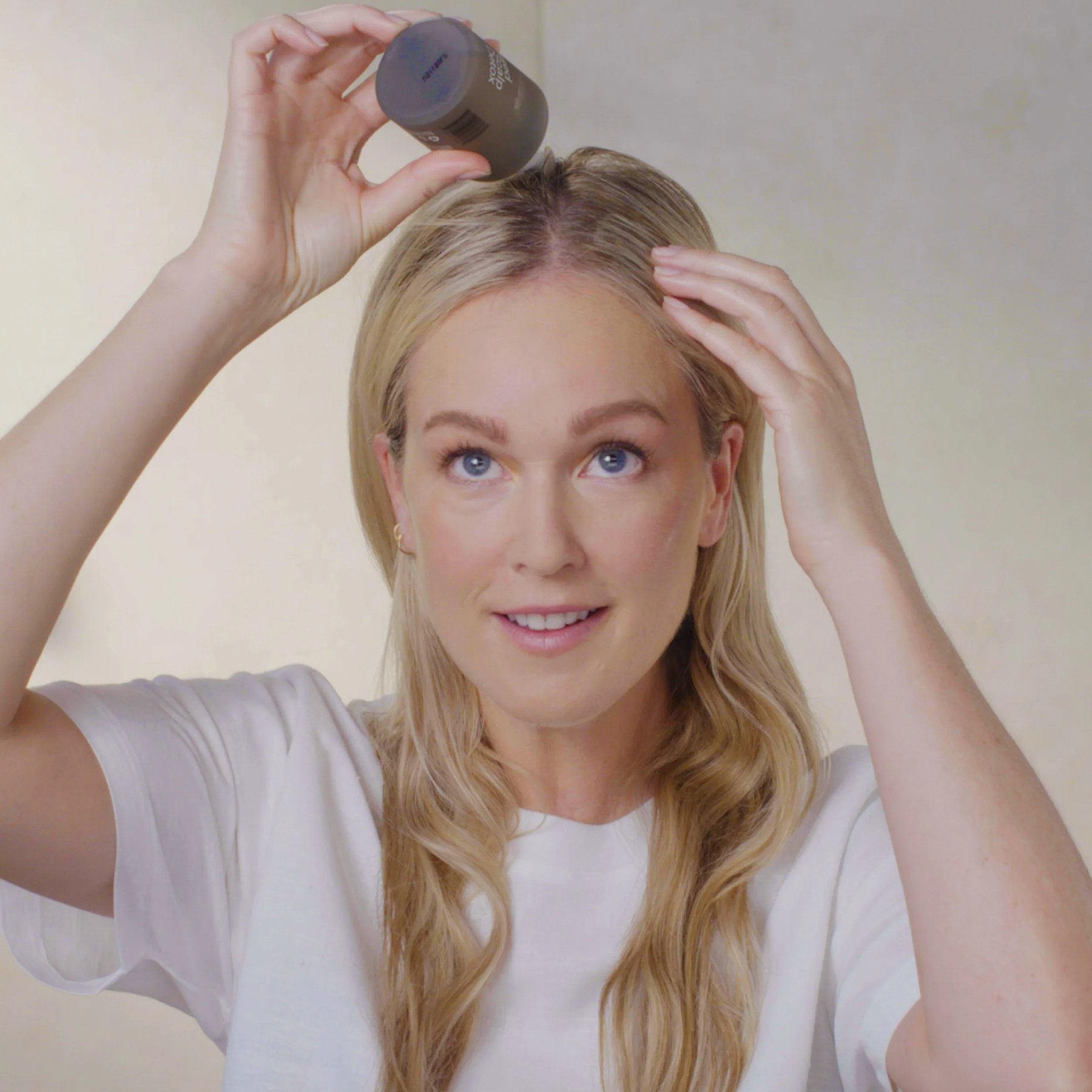
Wash your scalp, not your hair. I repeat it because most of us were taught to pile hair on top of the head and scrub the lengths. That roughs up the cuticle and leaves the scalp half rinsed. Start with lukewarm water, not hot. Flood the scalp fully. Take one pump of shampoo, emulsify in your palms, then use fingertips, never nails, and massage in small circles across the whole head. Think crown, sides, nape, behind the ears. Then let the rinse carry the lather down the lengths. That is enough cleaning for most lengths.
Condition from the mid lengths to ends, comb through with fingers or a wide tooth comb, then rinse well. Oily scalps often do better with more frequent light washes than with one harsh weekly wash. Dry or sensitive scalps often do better with fewer washes and a hydrating formula. Give any new scalp routine three to four weeks before you judge it, and track itch, oil by day two, and flakes at the part.
Your apartment weekends with whiteboards everywhere have become part of the brand story. What were you and Colm trying to solve with chemist and physicist friends, and what did cold pressure change.
We would work most weekends with them in our apartments, think whiteboards EVERYWHERE. I launched Act+Acre out of my kitchen with my husband and had a wild idea that scalp care would be the future of haircare. That was something I completely disagreed with and as a result, I spent 18 months challenging the science with the most incredible people.
The problem was heat. Most hair products were made with high heat that reduced the potency of natural ingredients. We wanted Act+Acre to be an outlier and a pioneer in the wellness space, to think broader and further. So we developed a method that blends formulas with cold pressure using hyperbaric chambers, ice cold water and 1,200 pounds of pressure instead of heat. It costs us a lot more to make the products, but they are better for you and better for the Earth. We use 90 percent less energy. We are about expertise, caring, and thinking things through.
You refuse sulfates, parabens and heat processing that boils off nutrients. For a parent buying for a household, or someone on a budget, what does that refusal mean in the bottle and on wash day.
It means we do not chase foam as proof of clean, and we do not rely on heavy coating to fake smooth. Sulfate free cleansers lather less. That is normal. Use less product, add more water, massage longer. If hair is very oily or has buildup, do two light shampoos rather than one strong one. First to lift oil and product, second to cleanse scalp skin.
It also means storage and handling matter. Keep caps closed, keep bottles out of extreme heat, and use as directed. Our formulas are built to support scalp balance over time, not to strip then coat. If anyone in the house has persistent eczema, itching that disrupts sleep, or patches that crack or weep, pause and speak with a dermatologist or pediatrician. Product cannot diagnose skin.
Your phrase is Skincare For Your Scalp. What does that look like for someone with dryness, itch or light flaking who wants to start this week without buying a whole shelf.
Start with the basics done well. Cleanse the scalp fully, rinse fully, then hydrate the scalp as leave on care. On damp or dry scalp, part the hair in sections, apply a small amount of serum directly to the skin, then massage in with fingertips for one to two minutes. Pat dry if hair is damp. Do not pile on oil to calm itch. Too much oil can trap flakes and make part lines look heavy.
For light flaking, gentle chemical exfoliation helps loosen dead skin cells, similar to facial exfoliation. Salicylic acid is one option used on scalp skin for that purpose. Use it as directed, once a week to start, and stop if you get burning or increased redness. Then support moisture daily. If flakes are thick, yellow, very itchy or spreading, see a dermatologist rather than layering more product.
Prioritizing the health of your scalp is the first step to really getting your hair to thrive.
Helen Reavey
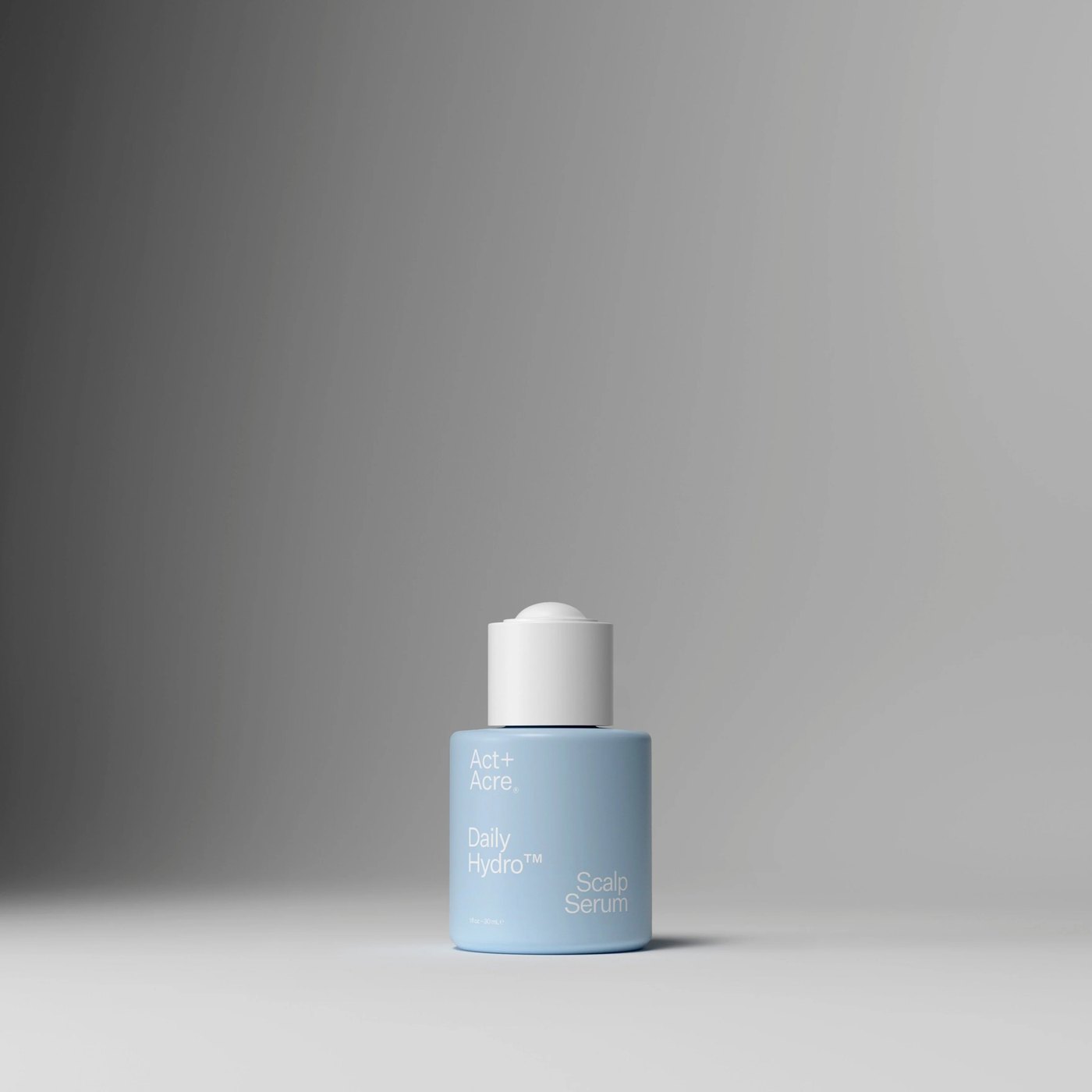
Daily Hydro Scalp Serum at 24 dollars is your entry point for that routine, with hyaluronic acid to hydrate and soothe. Show us exactly how you want people to use it, drops, sections, massage, morning or night.
Extend your skincare routine to your scalp. That is how we describe Daily Hydro Scalp Serum. On a clean scalp, make three to four parts with a comb tip or fingers, crown, sides and back. Apply a few drops per section directly to the skin, not to hair. Then massage in with the pads of your fingers for about a minute. Leave it on. Use it daily.
Mornings, it helps the scalp feel comfortable before styling. Evenings, it supports moisture overnight. If you heat style, apply first and let it absorb. If you oil, keep oil light and only on lengths, so you do not block the serum. If you shave your head or wear it very short, you can still use it the same way, fewer sections, same fingertip massage. Consistency matters more than amount. A little daily beats a lot once a month.
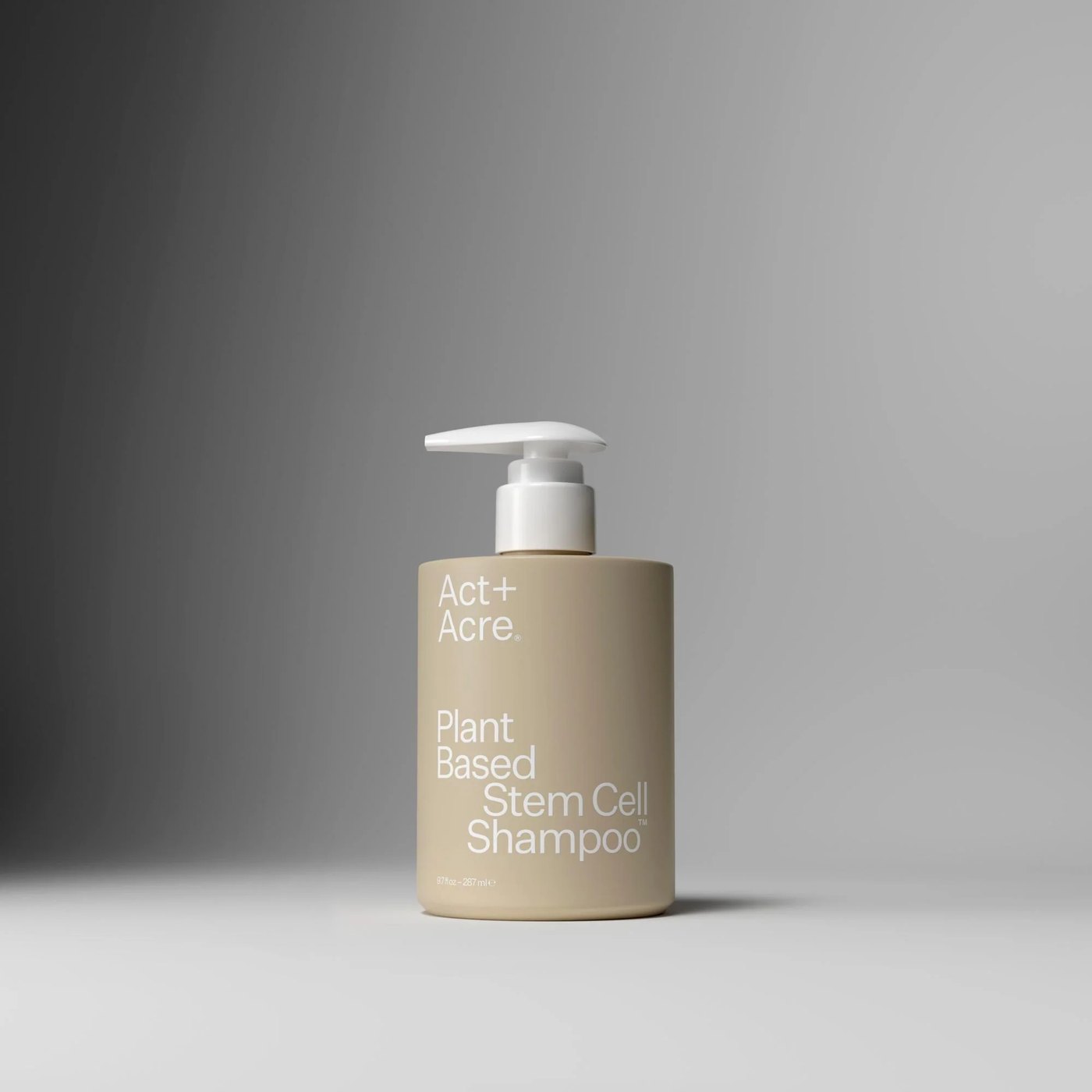
The Plant Based Stem Cell Shampoo at 42 dollars pairs apple stem cells with lightweight hydration. Who is it for, and how do you get volume at the roots without dryness at the ends.
Plant Based Stem Cell Shampoo supports hair follicle health for fuller and thicker looking hair. It is for people who want lightweight hydration and the appearance of fullness without weight. Fine hair that goes flat, longer hair with limp roots, postpartum shedding that leaves the part looking sparse. It will not regrow hair or treat hair loss, but it helps the scalp look balanced and strands look stronger with regular care.
For volume, keep the method tight. Shampoo the scalp only, rinse fully, then apply conditioner from mid lengths to ends. Rinse with lukewarm water and finish a touch cooler if you like. Rough dry with fingers first, lifting at the roots, then use a brush. If ends feel dry, add a pea size of conditioner to ends only before the shower ends, or a light leave in after. If shedding persists or you see widening parts or bald patches, speak with a dermatologist.
Apple stem cells sound technical on a shampoo label. What are they in plain language, and why did you choose them for a scalp first range.
Apple stem cells used in scalp formulas come from Swiss green apples and are studied for supporting tissue resilience. In plain language, they are plant derived extracts that help formulas support the look of a healthy scalp environment. We chose them because scalp health is hair wellness. When the scalp looks calm, hydrated and balanced, hair looks thicker and fuller and holds style better.
We pair them with light hydration so fine hair does not feel coated. That matters for wash day. Heavy butters can smooth ends but flatten roots. Lightweight hydration supports the scalp and lets lengths move. Prevention, not damage control. That is the whole idea.
You built Act+Acre with Colm, from kitchen tests to a full scalp range. What has staying hands on taught you about cost, time and what long term hair wellness really asks of the person washing.
It taught me that good process costs more and takes longer, and that is fine. Cold pressure takes more care. Clean formulas without sulfates and parabens take more testing. Small teams take more weekends. It costs us a lot more to make the products, but they are better for you and better for the Earth. That tradeoff is worth it if it helps someone keep a routine they can repeat.
Long term hair wellness asks for less drama and more rhythm. Gentle cleanse, rinse well, hydrate the scalp, protect lengths. Track what changes across four to twelve weeks, not four washes. Take a photo of your part in the same light once a month. Note itch, oil and shedding in the shower. Keep what works. We wanted Act+Acre to be an outlier and a pioneer in the wellness space, to think broader and further. For me that means practical care, done by hand, week after week.
Closing note from the desk
What stays after this conversation is the sound of hands on work. Fingertips in small circles, sections held clean, a minute of massage before the day starts. Reavey does not sell volume in a bottle. She sells a sequence that respects skin that happens to have hair.
Act+Acre set out to treat scalp with skin level care, to keep nutrients active by refusing high heat, and to favor prevention over damage control. That is a slower promise, and it reads as honest. Wash the scalp, hydrate the scalp, repeat.
Product spotlight
Daily Hydro Scalp Serum, 24 dollars. A daily leave on serum with hyaluronic acid to hydrate and soothe scalp skin. Part hair in three to four sections, apply a few drops to the skin per section, massage one minute and leave on morning or night. Use daily for comfort and the appearance of healthier looking hair.
Plant Based Stem Cell Shampoo, 42 dollars. A daily cleanser with apple stem cells for lightweight hydration and the look of thicker, fuller, stronger hair. Massage one pump into the scalp with fingertips, let the rinse carry lather through lengths, follow with conditioner on ends. Best for fine, flat or thinning looking hair.

Diana Maddox
Diana produces the interviews at Body of Work: the research, the question lists, the follow-ups. She asks every founder to describe their own bathroom shelf, and the answer is usually the best part of the story.
More from Diana Maddox →