Watching friends enter treatment taught Lindy Snider what the leaflets leave out. She says it directly, with no setup, and that directness runs through how she mixes, tests and teaches.
Watching friends enter treatment taught Lindy Snider what the leaflets leave out. She says it in plain terms, and the plain terms explain her method. She noticed, she questioned, then she remained to solve the washing problem.
Snider started Lindi Skin in Ardmore, Pennsylvania in 2003 after leaving part time special projects work at the Wachovia Center in 2002. She herself has lived through cancer, and she developed the range alongside oncologists, dermatologists, nurses, patients and formulators. The first items went on sale through the website in May 2004. By 2008 the range had reached 14 products, in use in more than 50 hospitals and stocked in almost 100 stores, mainly in hospitals and cancer centers.
What surprises practical readers is how plant centred this hospital story remains. The blends rely on plant oils, lavender and citrus, antioxidants and vitamins, selected for tolerance rather than narrative. Each ingredient gets checked for safety for chemo and radiation skin and for soothing effect. The finish is intended to seem elegant and luxurious, not medical, even when the skin served is raw, dry and reactive.
In 2002 you left part time work at the Wachovia Center and began Lindi Skin in Ardmore with science advisers including oncologists and dermatologists, plus your fiance Larry R. Kaiser, a University of Pennsylvania surgeon and oncologist, how did a living room worry become a first full line made only for treatment skin.
I understood I could not manage this by myself, so in formulating Lindi Skin products, we aligned with dermatologists, oncologists, nurses, patients and skincare formulators to create products that can treat even the most sensitive of skin. Every voice held a role around the table. The physicians addressed safety during chemotherapy and radiation. The nurses addressed daily maintenance on the ward. The patients addressed texture, scent and dignity. The formulators helped us convert all of that into steady formulas.
Our formulas stay unique, gentle, and calming to the touch. We use the finest ingredients for deep lasting hydration. We would rather fund unique formulas than jars or advertising. That decision kept us grounded. We were not aiming to repackage normal skin formulas. We were aiming to build the first complete skincare line designed specifically for people whose skin had grown thin, dry and easily irritated.
You began by watching friends in treatment who expected nausea, fatigue and hair loss but not skin change, and in 2000 you asked singer songwriter Lauren Hart why she did not ask her doctor for a cream and she said there was nothing, what did that moment start for you.
That talk never left me. The making of Lindi Skin began with my watching friends move through cancer treatment. They braced for the nausea, fatigue and hair loss associated with chemotherapy and radiation therapy, but they had no warning about the impact that these therapies would have on their skin. When Lauren told me there was nothing to request, I felt perplexed. I thought, how can big pharmaceutical and cosmetics firms have no line for this need.
In finding no skin care line made expressly for people with cancer, it hit me that someone had to create one. And that person turned out to be me. I started searching for answers and asking doctors and dermatologists what to do. Lauren gathered patients to assess texture, fragrance and packaging, and to say plainly what helped. That guidance formed everything, from how a balm glides across cracked hands to how a wash rinses without sting.
You say you check every ingredient for safety for chemo and radiation skin and for calming effect, using botanicals, antioxidants and preservatives to fight bacterial growth, what does that check look like on skin already worn thin.
We begin from another question. We ask, is this safe for chemo and radiation skin, not, will this suit normal skin. That narrows the palette we select from. We skip harsh cleaning agents that strip moisture while you wash. We reject greasy texture or intolerable fragrance. We seek botanicals, antioxidants and vitamins that calm, soothe, and hydrate without weighing down fragile skin.
Preservatives count here too. When skin is cracked or sore after radiation, protection against bacterial growth belongs in care. So we pick systems that hold the product safe in the jar and mild on skin. Beauty plus health is how we see it. The plant matters for what it performs in the formula, how it softens, how it retains moisture, how it rests on sore skin, not because it sounds natural on a label.
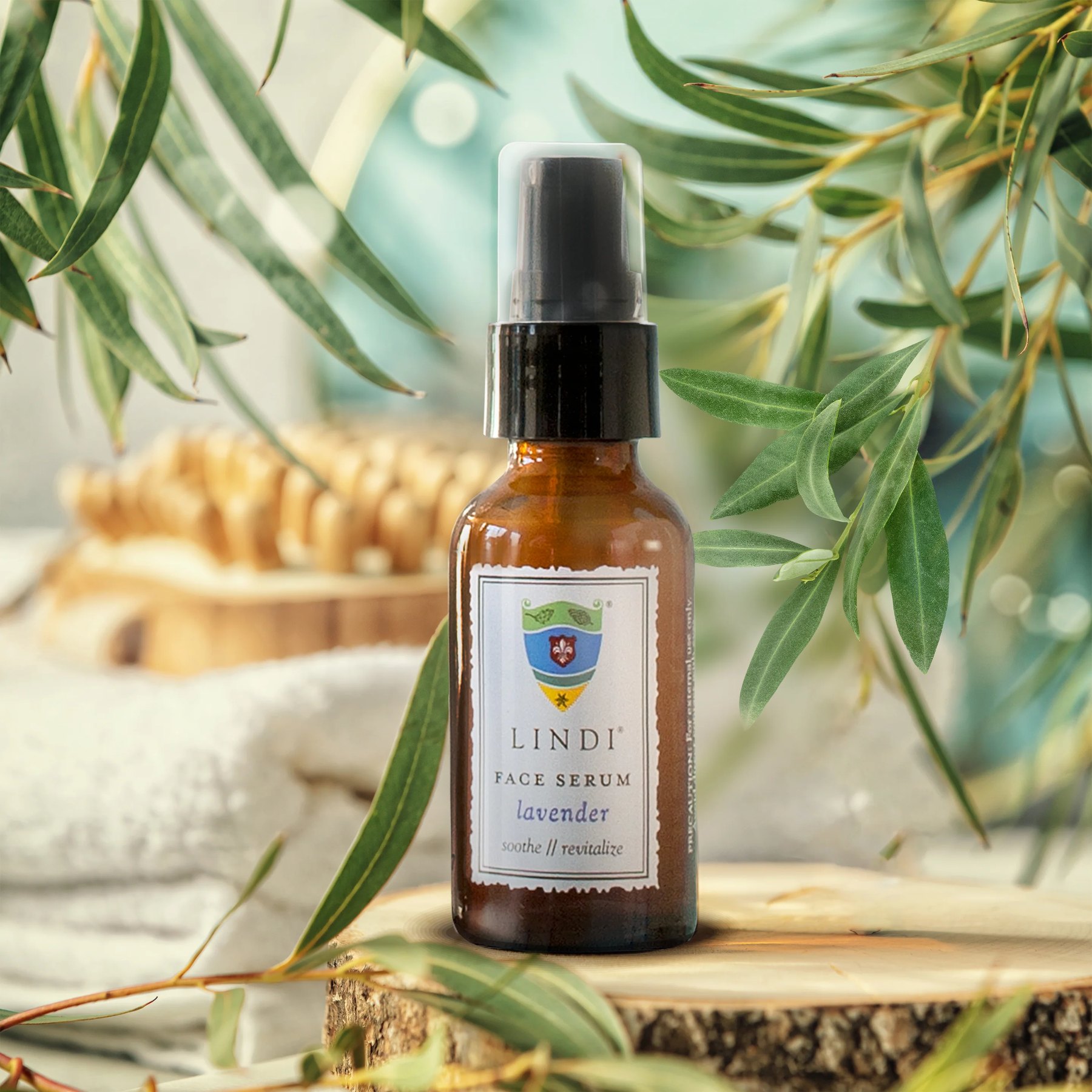
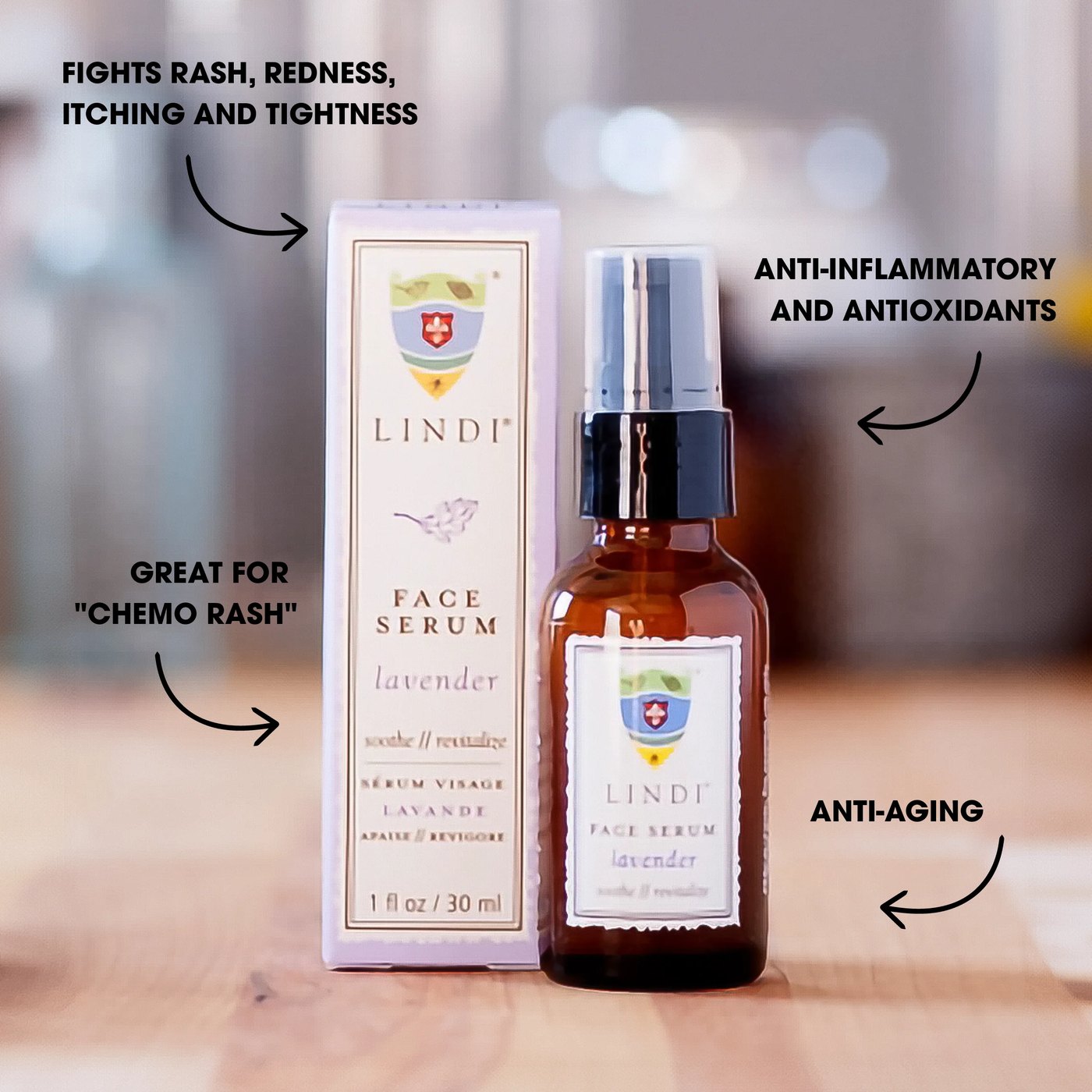
Your Lavender Face Serum at 48.95 dollars blends botanicals, antioxidants and vitamins to add moisture and soften the look of redness, with one drop reapplied through the day if needed, why lavender for a face made reactive by treatment, and how do citrus and lavender versions differ in daily use.
Treatment can leave facial skin dry, taut and quick to react, where the serum relied on for years begins to sting. We created this serum for that point. Apply it to the face morning and night, with one drop repeated during the day if needed. The botanicals, antioxidants and vitamins sit there to provide moisture and soften the appearance of redness, while the base remains light enough to layer beneath moisturizer.
Lavender earned its place through calm. Patients said the scent made the routine feel restful, and the formula helped dry skin feel supple again. Citrus gives the same support with a brighter scent for people who favor it. Both rest on the same notion, which is to calm, soothe, and hydrate without weight. We are excited to offer the rejuvenating power of our products to everyone, including people with sensitive skin who remain with us after recovery.
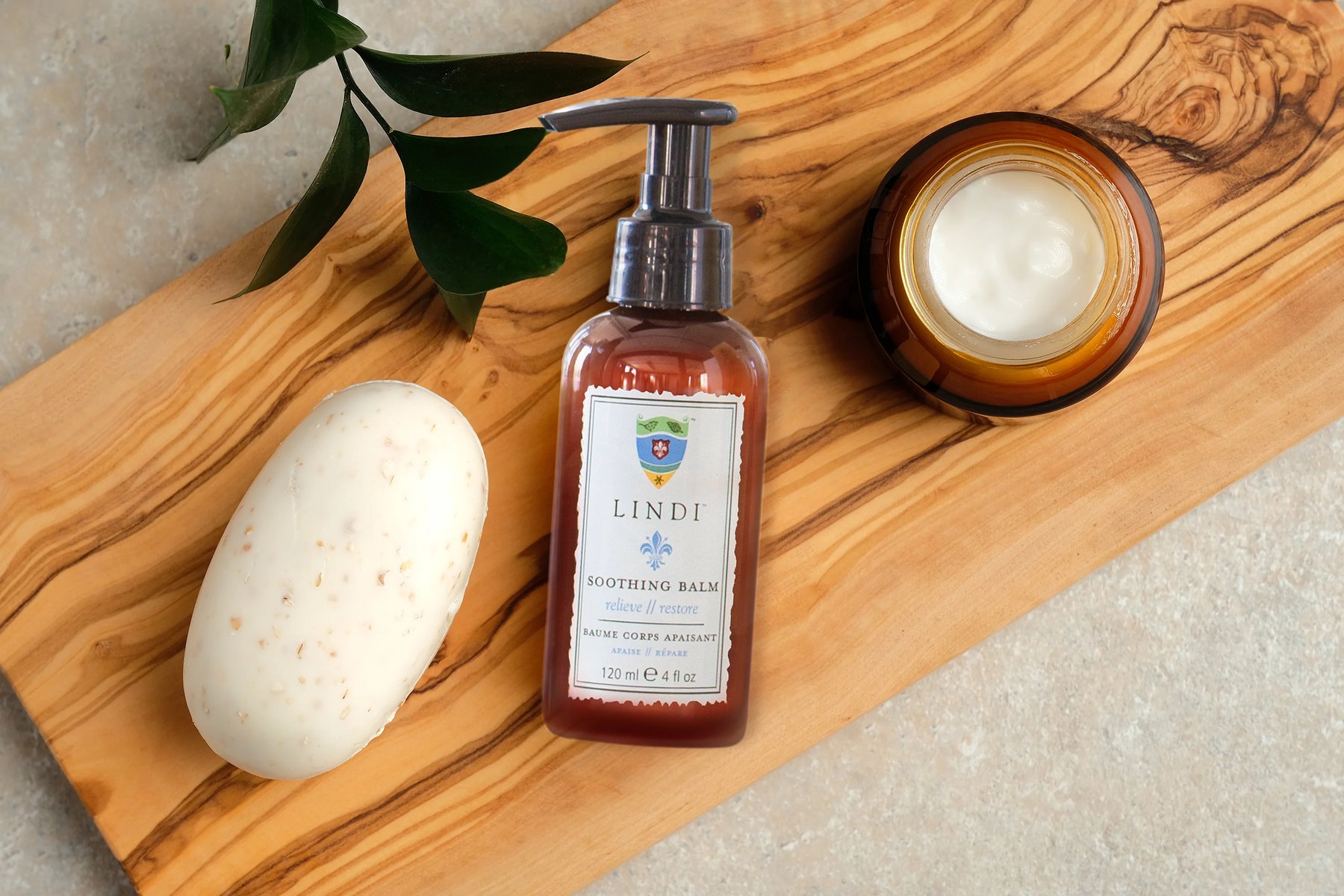
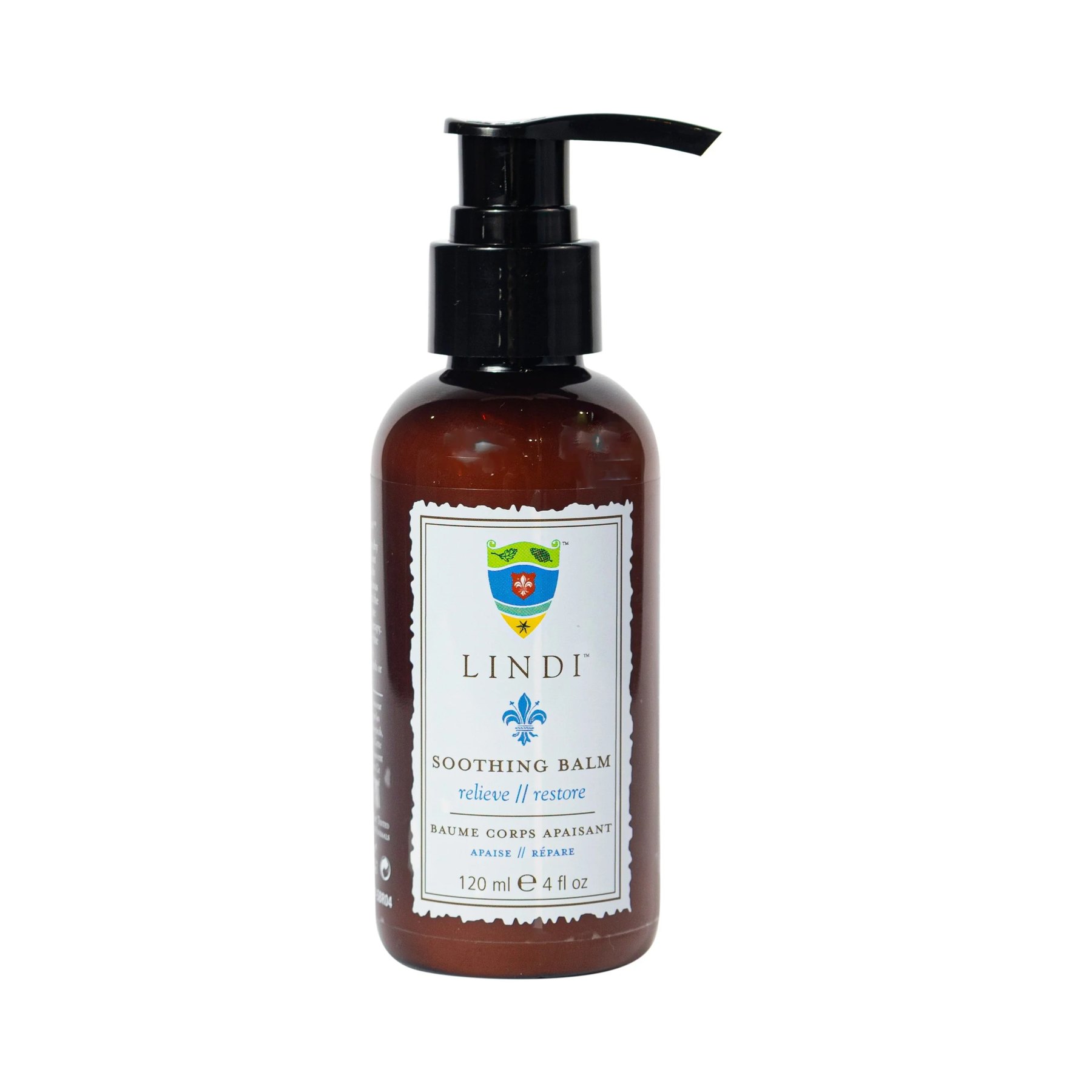
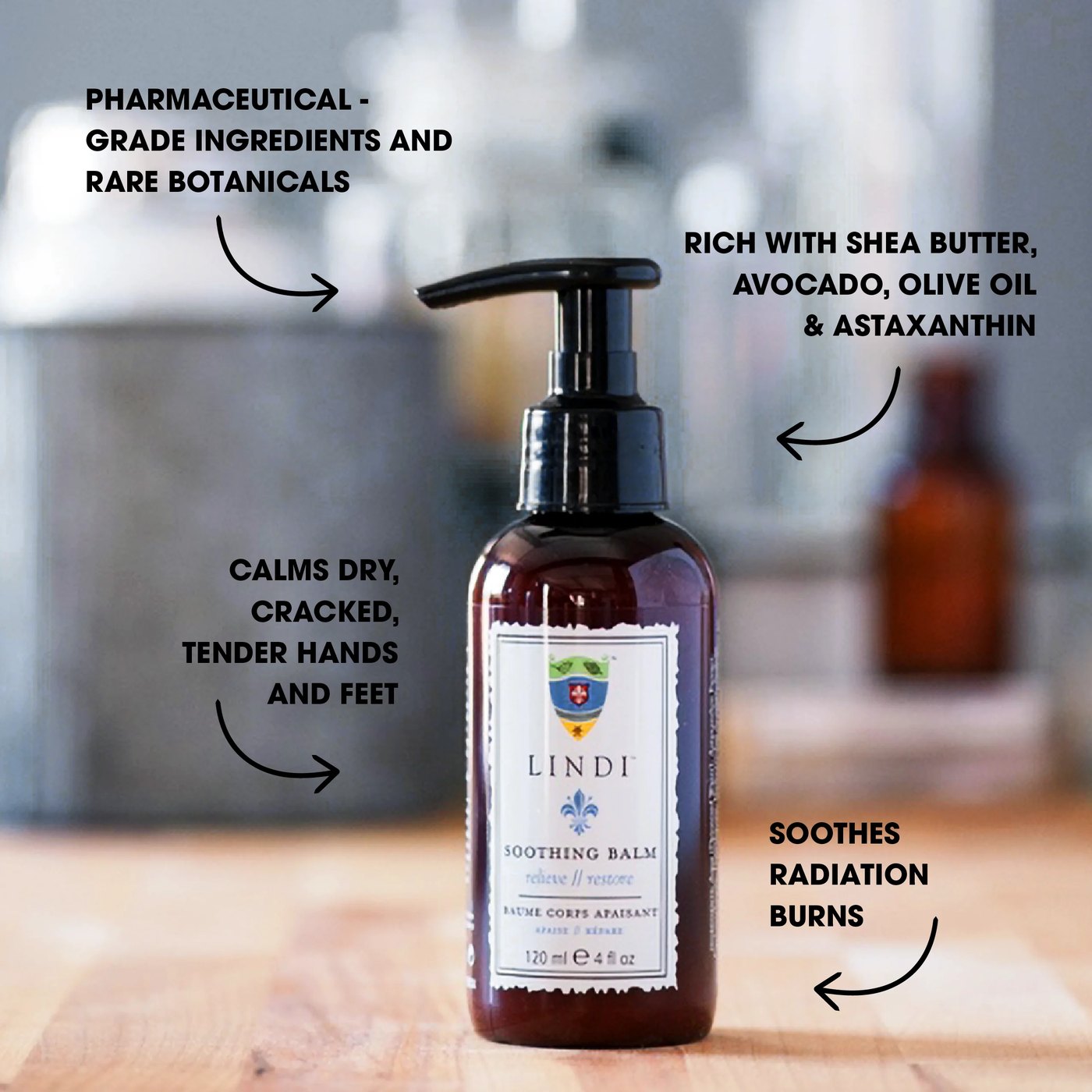
Your signature Soothing Balm at 35.95 dollars was made with oncologists and dermatologists and called clinically proven to calm skin irritated by radiation, how should someone use it on hands and feet and on radiated skin, and what makes its texture work when other creams feel too heavy or too scented.
The balm is where numerous people first meet us. Spread it on hands and feet when chemo leaves them cracked and sore, and on skin irritated by radiation when it turns dry and tight. I favor a small amount warmed between the palms, then pressed where skin splits or pulls. It sits in almost every collection because it meets the most frequent complaint, which is dryness that will not settle.
Our products, elegant and luxurious, are meant to help you look and feel incredible. That was intentional. People said existing sensitive skin products seemed greasy, fragranced or not helpful. We sought something rich enough to shield, yet refined enough for daily use. Clinically proven, for us, means tested with the people and clinicians it was built for, and held close to what they requested, which was calm, comfort and a scent that does not overwhelm.
We refuse harsh cleansers that strip skin of moisture.
Lindy Snider
The Cooler Roll at 49.95 dollars is a cooling hydrogel wrap made with oncologists and dermatologists to calm skin irritated by radiation, and you pair it with the balm in the basic set, how do those two steps work together in the rhythm of a radiation day.
Picture it as cool first, then seal in comfort. Place the Cooler Roll on the treated area when it feels hot and sore from radiation. It delivers a clean, cool feeling that helps skin feel settled. Then add the Soothing Balm to keep the area from drying and splitting between sessions. That sequence matters. Cool the heat first, then help the barrier that radiation has left thirsty.
Patients taught us the rhythm. They described when the sting peaks, how a wrap should drape, how a balm should slide without tugging. Our formulas are unique, gentle, and soothing, but the ritual counts just as much. Work slowly, with clean hands and no rubbing. It is skincare as tending, done morning and night until skin feels like itself again.
You have said we have passed the point of being a company that sells something and that you are positively impacting the lives of people who have very little reason to be optimistic, and since 2005 you have donated more than 500,000 products, how does giving sit beside selling in hospitals and cancer centers.
We have moved past being a company that sells something. We are positively impacting the lives of people who, too often, have very little reason to be optimistic. That sentence still steers us. Selling in hospitals and cancer centers holds the products where nurses can place them in a hand at the right moment. Giving holds them where cost would keep them out of reach.
Since 2005 we have given more than 500,000 products to non profit cancer organizations, hospitals and caregivers. It is hands on care, not symbolism. A balm for cracked feet, a wash with no sting, a cooler for a hot afternoon. Our promise is to make the highest quality, gentle, luxurious products to help improve the lives of those affected by chemotherapy and radiation. If luxury carries meaning here, it means being handled with gentleness when you feel most exposed.
Your Body Wash at 26.95 dollars and Face Wash are both soap free and non foaming, meant to be used in the shower instead of ordinary soap when soap has started to sting, what did you learn about cleansing that changed how you formulate for dryness and itch.
We found that washing can feed the problem. Ordinary soap and foaming washes take the oils that dry, tender skin cannot spare. When chemo parches skin all over, and radiation parches one zone deeply, the wash must stop removing and start supporting. That is why our wash is soap free and non foaming. Use it in the shower in place of ordinary soap, with warm water and light hands.
We will not take formulas made for normal skin and repackage them for treatment skin. That refusal begins in the shower. No harsh cleansing agents that strip skin of moisture. No foam just for the sake of foam. Only a base that leaves skin feeling clean but not tight, prepared for lotion, balm or serum. People with all over itch feel the shift first, then they feel their moisturizer begin to work better.
You kept the line focused while growing to more than 1 million dollars in yearly revenue by 2008, with 14 products used in more than 50 hospitals, what did you choose not to do to stay safe, gentle and true to treatment skin.
We chose not to follow each trend. We stayed with safe, gentle formulas that calm, soothe and hydrate. We held fragrance tolerable. We held texture refined but not greasy. We kept asking patients what helped and what failed, and we let that direct new work. First full skincare line made expressly is a responsibility, not a tagline.
We also wanted to look and feel luxurious instead of looking medical. Treatment removes so much. A jar should open easily. A lotion should glide on without pull. A serum should make the face feel soft, not filmed. Those small choices accumulate. They tell someone, you are still yourself, and your routine can still be yours, steeped in care, gathered from what plants do best, and grounded in what clinicians trust.
Closing note from the desk
What remains with us is the restraint. Snider never aimed to produce botanical skincare as decoration. She aimed to make washing less painful and nights less itchy, and plants kept their spot by supporting those two aims. Lavender settles the routine. Light oils keep moisture. A non foaming base cleans without stripping.
Lindi Skin aimed to comfort people in chemotherapy and radiation, and to manage it with products that seem considered rather than clinical. Go slowly, that is what the formulas say. Cool where it burns. Soften where it cracks. Wash without stripping. Repeat until skin feels tended.
Product spotlight
Soothing Balm, 35.95 dollars. A dense balm made with oncologists and dermatologists to soothe the look of radiation dryness and chemo cracked hands and feet. Warm a pea sized amount between palms and press into sore spots morning and night, then dab again on knuckles and heels as needed through the day.
Lavender Face Serum, 48.95 dollars. A featherweight botanical serum with antioxidants and vitamins that supports dry, tight skin to look calmer and feel supple. Apply morning and night after soap free cleansing, with one drop patted over red looking patches during the day. The citrus version follows the same routine with a brighter scent.

Diana Maddox
Diana produces the interviews at Body of Work: the research, the question lists, the follow-ups. She asks every founder to describe their own bathroom shelf, and the answer is usually the best part of the story.
More from Diana Maddox →