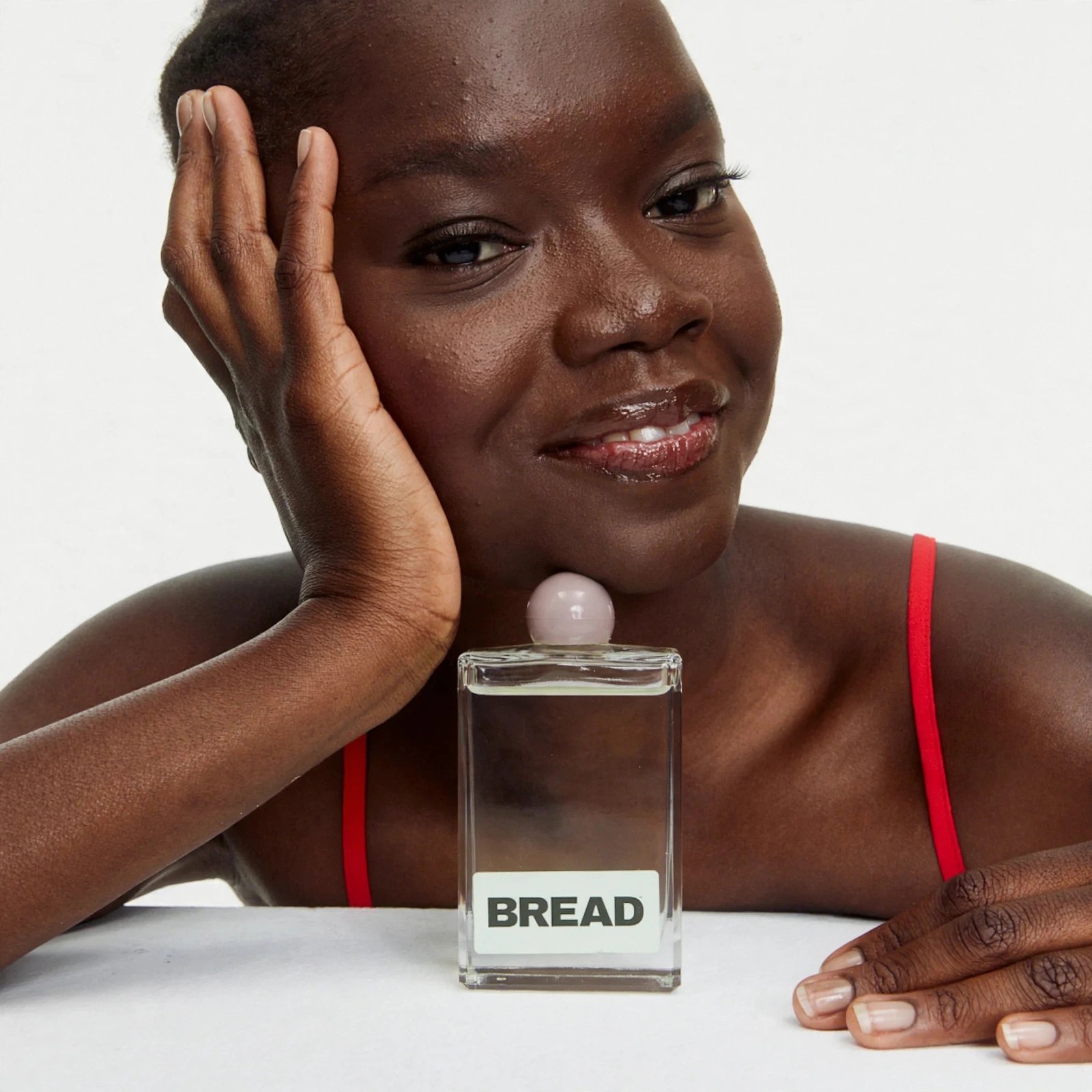
Bread Beauty Supply began when Maeva Heim stopped relaxing her hair and could not find a calm way to care for what grew in. This conversation traces wash day from scalp to ends, with numbers you can follow at home.
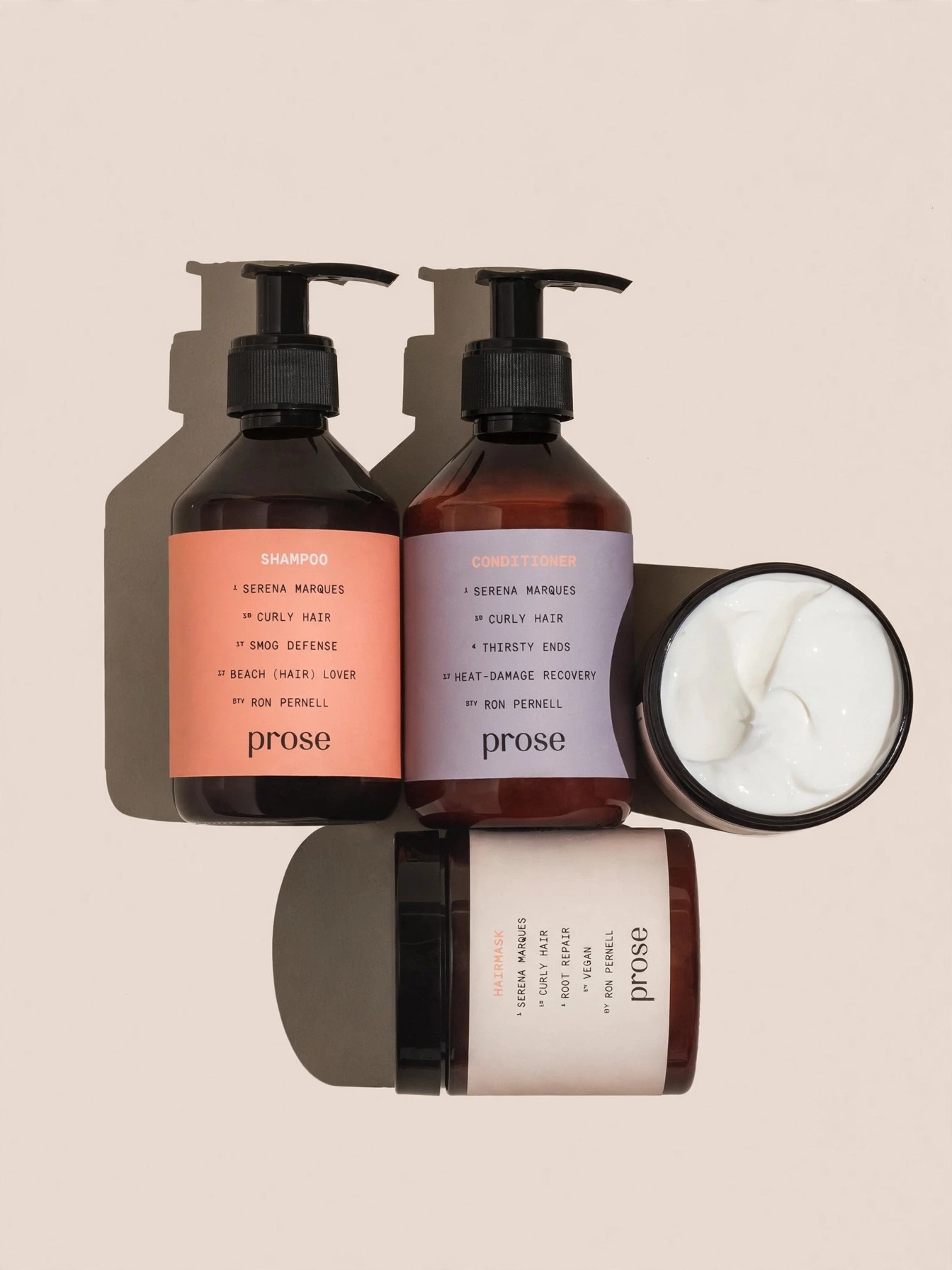
The first thing you notice about hair-mask is the size on the label. 354ml, a wide tub meant to be scooped, not squeezed. It smells soft and fruity, cushions like whipped cream between the palms, and rinses clean without that coated feeling.
Maeva Heim is the founder and chief executive of Bread Beauty Supply. She grew up around her mum’s braiding salon in Perth, a tiny garage joined to the back of an Italian restaurant, then worked in marketing at L’Oreal and spent a short stint at Procter and Gamble in Singapore. She launched Bread in February 2020 with Sephora in the United States, after about three to four years of development, with one goal: to simplify textured routines starting with wash day.
What others miss is how practical that idea is. Heim does not sell a shelf crowded with single issue fixes. She sells staples you reach for weekly: a gentle wash, a deep conditioning mask, a gel with memory. The method matters as much as the product here. Section, lather, rinse well, mask with time, detangle with slip, style on damp hair.
Heim relaxed her hair from age six or seven and had never seen her natural texture as an adult. When a relaxer exploded in her suitcase on a flight from New York to Colorado, she took it as a sign to stop. Learning her own hair from scratch shaped the brand voice: warm, direct, and clear that beauty should be fun and real, not overwhelming.
You grew up in your mum’s braiding salon in Perth, a tiny garage connected to an Italian restaurant, then worked in marketing at L’Oreal and Procter and Gamble in Singapore. What did those rooms teach you about who hair products were speaking to.
I spent a lot of time in my mum’s salon as a child. It was small and busy and full of women who knew exactly what they wanted. Braids take hours. You talk. You watch hands move. You learn that hair is work, and care, and community. Later I worked in marketing in beauty. I learned how to build a brand and how to read a shelf. I also learned that those brands were not talking to me. I did not feel like I was ever able to really create anything that spoke to a more diverse audience. That stayed with me. I left and spent about three to four years developing Bread. I wanted must haves, staples for a curly routine, not a wall of confusion. We are doing something that matters, not just selling shampoo. Control what you can control, your own confidence, your own actions, and really put yourself out there. That is what I tell founders now.
You relaxed your hair from age six or seven and said you had never seen it in its natural state. Then a relaxer exploded in your suitcase on a flight from New York to Colorado. What changed in how you touched your own hair after that.
That flight was a turning point. I had been relaxing since I was six or seven, so I had never seen my hair in its natural state. I did not know how to look after it. When that bottle opened everywhere, I decided to stop relaxing and return to natural texture. At first I was nervous. I had to learn section by section. How much water to use. How to detangle without tearing. How long to leave a mask on. I stood at the sink and took my time. I learned to massage the scalp with the pads of my fingers, not nails, for about two minutes. I learned to rinse fully before conditioning, because leftover lather makes slip harder. Beauty should not be problematic or hard, it should be fun, and real, not overwhelming. That idea came straight from my own bathroom. If I could make wash day calmer for me, I could make it calmer for someone else.
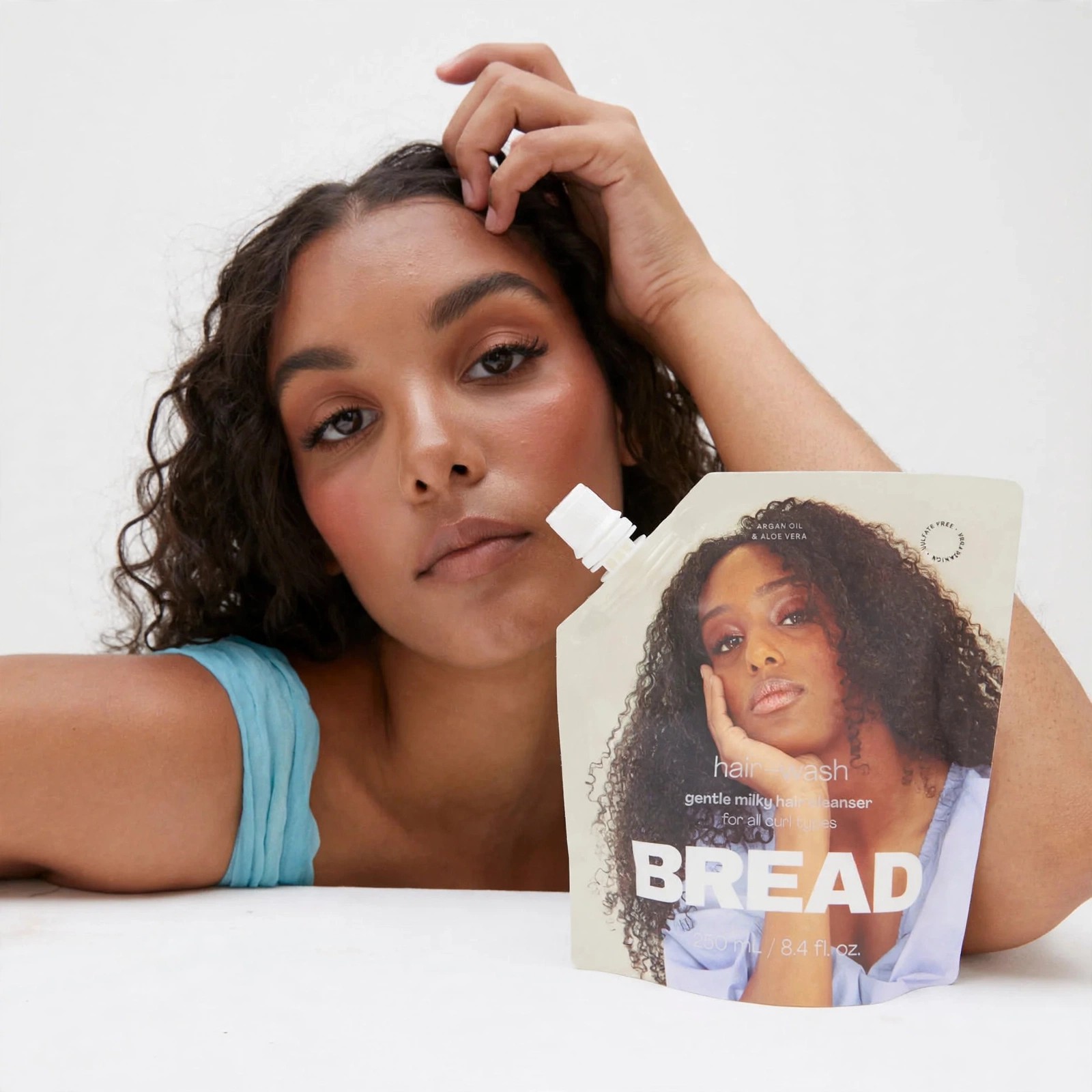
The multicultural aisle left you feeling confused and overwhelmed when you went natural. How did that frustration shape the first Bread lineup and the way you name things.
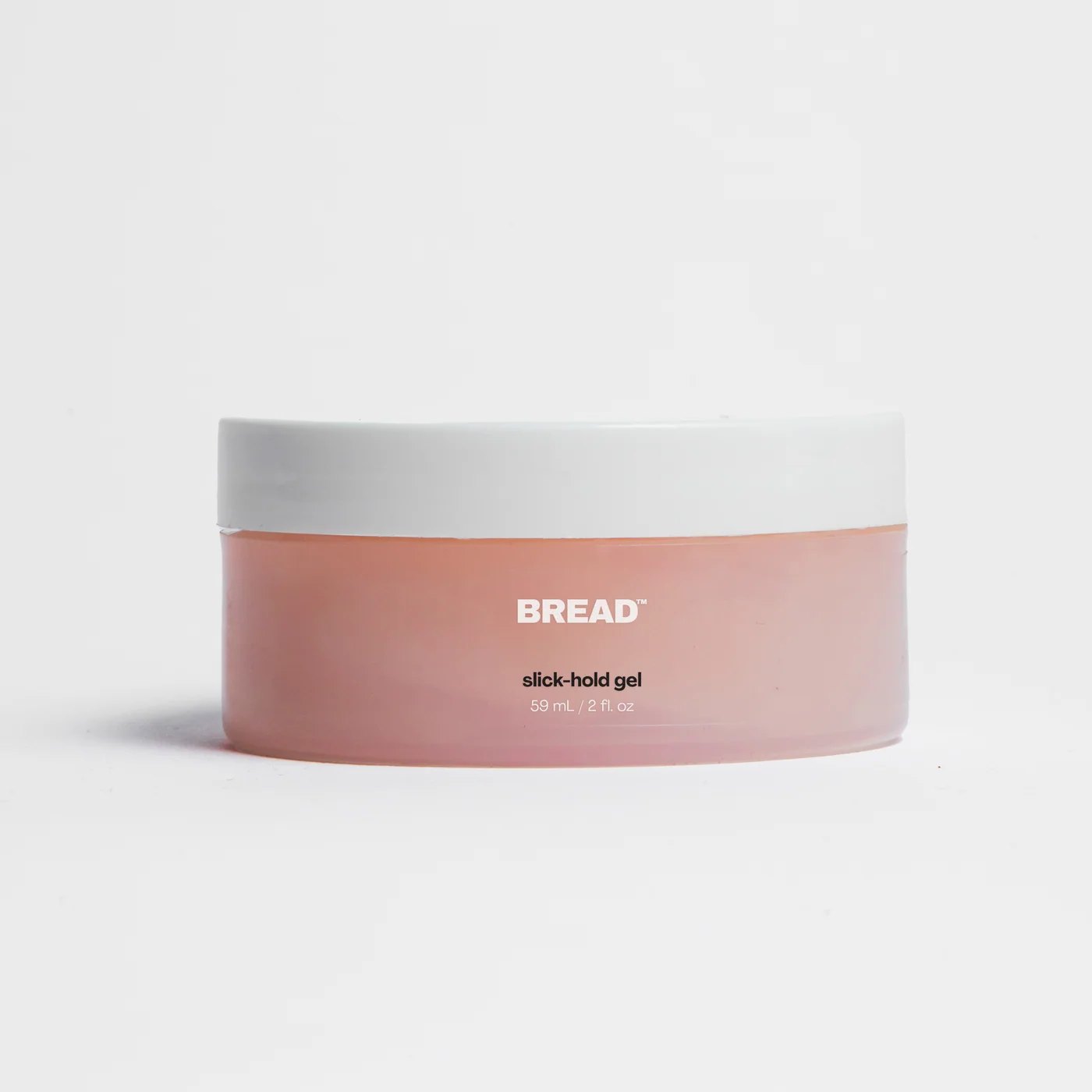
The aisle was the problem I wanted to solve. Too many claims, too many steps, no clear start. I started building Bread to simplify textured routines starting with wash day. We launched in February 2020 with Sephora in the US. Three basics first: hair-wash, hair-mask, hair-gel. Names you can remember with wet hands. The brand is really about creating haircare products that are designed to be your must haves, your staples in your curly hair routine. Hair-wash replaces a harsh, super foamy shampoo with a soft, semi sudsing wash that still cleans. Hair-mask gives cloud like softness without silicone weight. Hair-gel gives definition without crunch. Nothing asks you to be an expert before you begin. You pick a lane: cleanse, treat, define. You learn your own timing inside that frame. Some scalps want weekly washing. Some want every two weeks with a rinse between. The promise is consistency, not collection.
hair-wash is a soft, semi sudsing shampoo at 250ml for 20 dollars, with a 100ml size for 12 dollars. Walk us through wash day with it, exactly how you want a reader to use it at the sink.
Start with water. Soak the hair fully with warm water, not hot, for at least one minute. Split hair into four sections and clip. Work one section at a time. Take one to two pumps of hair-wash per section, rub your palms, then massage into the scalp with finger pads for one to two minutes. Let the lather run down the lengths as you rinse. That is enough to clean ends without scrubbing them. Rinse for another minute until water runs clear. Repeat only on the scalp if you had heavy oil or gel build up. Squeeze, do not rub, with a towel. Keep the hair damp for the next step. If your scalp itches between washes, do not scratch with nails or pile on dry shampoo. Rinse with water, pat dry, and talk to a dermatologist if itching lasts more than two weeks or if you see flakes, pain or shedding.
hair-mask comes in a 354ml tub for 28 dollars and promises cloud like softness with superfruits for shine. How long should it sit, and how do you detangle while it is in.
Use hair-mask after every wash while you are learning your texture, then weekly once you know it. Keep four sections. Apply a scoop about the size of a plum per section to damp hair, mid lengths to ends first, then smooth what is left near the roots without packing the scalp. Leave it for five to ten minutes. Use that time to detangle. Hold the ends, start at the tips with fingers or a wide tooth comb, and move up in small passes. Add a splash of water if slip fades. Rinse with warm water for one minute, then cool for ten seconds. Pat dry. The mask is silicone free, so softness comes from conditioning agents and oils, not coating. If strands feel gummy or limp, you used too much or left it too long. Next time use less and rinse longer. If ends still feel rough, add a pea size to ends as a leave in before gel.
Beauty should not be problematic or hard, it should be fun, and real, not overwhelming.
Maeva Heim
You speak about lazy girl or done undone hair and say Black women have not typically been included in that message. What does a carefree routine look like in your hands, in minutes and steps.
Black women have not typically been included in conversations or messaging around lazy girl or done undone hair, and I want her to feel like she too can have a carefree hair lifestyle. For me that means a routine you can do on a Sunday in under an hour. Cleanse for ten minutes. Mask and detangle for fifteen. Style for fifteen. That is it. On damp hair, smooth hair-gel through one section at a time, then shave through edges with a soft brush if you want sleek. Air dry or diffuse on medium heat. Tie hair in a satin puff or scarf at night. Refresh with water, not more product, on day two or three. If curls fall flat, add a pea size of gel to frizzy spots only. Haircare can be fun, easy, and casual. Part of that is normalising all kinds of curly textures and leading the way on what aspirational hair is for now and beyond. Wash day should fit a real morning, not a photo shoot.
You built Bread while learning your own hair, and you have said to try the thing that seems impossible and that if it fails, that is okay. What kept you going through three to four years of development to a Sephora launch.
I kept thinking, because if I do not do it, I will regret that more. I left a steady marketing role and spent about three to four years developing the brand. There were long stretches with no proof it would work. Samples that missed. Textures that felt wrong. Copy that sounded like everyone else. I told myself, try the thing that seems impossible, because otherwise we just end up with the same statistics and the less of us who try, the worse those statistics are going to become. If it fails, that is okay. Launching with Sephora helped because it forced clarity. You cannot hide behind ten products at launch. You need staples that perform in a small shower caddy and on different curl patterns. We kept the range tight. We tested with real wash days, not just lab swatches. That discipline carried us.
Bread is now stocked at Ulta, Sephora, Boots, SpaceNK, Selfridges and Amazon and has won more than 40 beauty awards. How do you keep the routine simple as the shelf grows to include foam, gloss oil and tools.
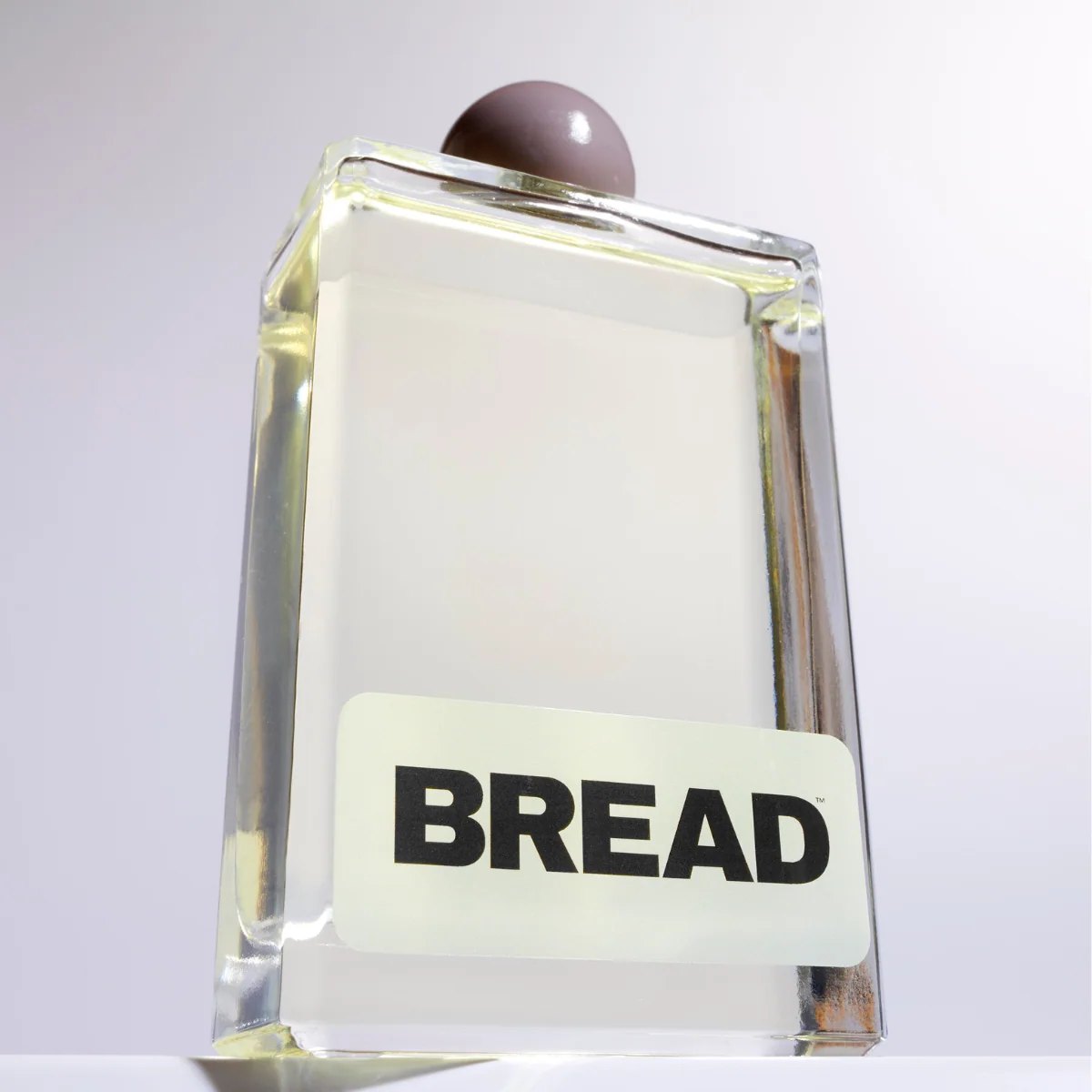
Growth has to serve wash day, not crowd it. We still start with cleanse, treat, define. New pieces plug into that order. Hair-foam is a one step styler for soft definition when you do not want gel. Everyday gloss is a scented oil for hair and body when skin and ends feel dry. Scalp-thingy is a silicone massager that helps fingers work wash through thick hair. T-shirt towel is soft cotton and bamboo for plopping curls without roughing the cuticle. Bread-puff is a satin elastic that holds a puff without denting. Pick one add on at a time. Use it for three washes before you judge. Keep notes: wash date, products, drying method, day three hair. If something does not earn its place in your caddy, set it aside. Simple means you know why each bottle is there. Awards are kind, but the test is Tuesday morning hair.
Many readers buy for a household, a partner, a teen, a child. What is your advice for sharing Bread across curl types and ages without overdoing it.
Share the wash, personalise the styling. Most households can use the same hair-wash if everyone wets fully, sections, and rinses well. Teens can do their own two minute scalp massage while you check the rinse. For kids, use less: one pump per section, warm water, quick rinse, then a light layer of mask on ends for three minutes with finger detangling only. Keep tools soft and sessions short. For a partner with short coils or a beard, use a pea size of gel on damp hair and comb through once. Do not layer foam plus gel plus oil at the start. Add one styler, watch for three washes, then adjust. Patch test new scented products on the inner arm if skin is sensitive. For babies or eczema prone skin, keep routines plain and ask a pediatrician before adding fragrance. Label pumps with names if sharing tubs, and always scoop mask with clean, dry hands.
What should a reader buy first if the budget covers two products, and how should they get the most from those dollars.
Buy hair-wash and hair-mask first. They do the most work per dollar. The 100ml sizes help you test: hair-wash at 12 dollars and hair-mask at 14 dollars. If you wash weekly, the full sizes last longer: hair-wash 250ml at 20 dollars, hair-mask 354ml at 28 dollars. Use measured pumps and scoops, not pours. Section every time. Rinse longer than you think. Style with water and patience while you save for gel. Sleep in satin. Refresh with water. Judge a scalp routine after three to four consistent washes, not one. Keep receipts and note what your hair did on day one and day three. That record matters more than a new bottle. We are doing something that matters, not just selling shampoo. The point is a calmer wash day you can repeat, on your budget, in your bathroom, with your own hands.
Closing note from the desk
What stays with us is the sound of the work: water running clear, fingers moving in sections, a timer set for five minutes while a mask sits. Heim learned her natural hair as an adult and built the brand around that learning curve. The products are plainspoken on purpose, with sizes and prices that let a reader test small and commit later.
Bread set out to make textured wash day simple, repeatable and a little joyful. Cleanse well, condition with time, define on damp hair. That is the whole method, written for every head in the house.
Product spotlight
hair-wash, 20 dollars for 250ml and 12 dollars for 100ml. A soft, semi sudsing shampoo that replaces harsh foamy cleansers for curls and coils. Use on soaked hair in four sections, one to two pumps per section, massage the scalp for one to two minutes, then rinse fully.
hair-mask, 28 dollars for 354ml and 14 dollars for 100ml. A silicone free mask that cushions strands for softness, shine and easier detangling. Apply a plum size per damp section, leave for five to ten minutes, finger detangle from tips up, then rinse well.

Diana Maddox
Diana produces the interviews at Body of Work: the research, the question lists, the follow-ups. She asks every founder to describe their own bathroom shelf, and the answer is usually the best part of the story.
More from Diana Maddox →