Bleach promises lightness, then leaves roughness, frizz and breakage that no mask seems to fix. Chemistry, microscopy and wear tests explain why recovery means management rather than reversal, and how careful handling can still preserve length.
Many people believe a good treatment can glue fried hair back to its virgin state if the formula is strong enough or left on long enough.
That belief makes sense in the shower. Wet hair feels softer after conditioner, combs pass more easily, ends look smoother for a day. The trouble starts when the softness washes out and the same tangles return. Bleach lightens by irreversible oxidation. It lifts cuticle, dissolves melanin and converts disulfide bonds to cysteic acid, so a severely processed fiber cannot be rewound to how it grew. Bond builders, peptide formulas and acid formulas can support remaining structure and reduce breakage, which may help keep length while damage grows out. Split ends never rejoin.
Hair looks simple until it is measured. The shaft averages 60 to 80 micrometers thick and has cuticle, cortex and medulla layers, with the cortex providing most volume and strength. Hair keratin is built from helical proteins stabilized by disulfide crosslinks between cysteine residues plus hydrogen, ionic and hydrophobic interactions. A 2024 review in the International Journal of Cosmetic Science reported wet hair stiffness correlates with intact disulfide content with r squared of 0.97. Hydrogen bonds are reported as about nine for every one disulfide bond and are broken by water alone. Ionic or salt bonds are reported to account for roughly one third of overall hair strength and are sensitive to pH.
How bleach opens the fiber
Bleaching uses alkaline oxidative chemistry, often powder alkaline agent at pH 9 to 11 with 6 percent hydrogen peroxide, to break down melanin chromophores. Ammonium persulfate bleaching decomposes melanin granules and partly destroys disulfide bonds in cuticle and cortex keratin. Oxidative cleavage of disulfide bridges forms cysteic acid and leaves fragile hair with reduced rigidity. That change matters because disulfide bonds carry much of the load when hair is wet and stretched.
The pH of the bath sets the tone for damage. A proteomic study by Adav, Wu and Ng in the Journal of Cosmetic Dermatology found pH 10 lowered protein crosslink density and increased water sorption, while pH 5 gave highest integrity with denaturation at 147.6 plus or minus 0.3 degrees C. Malinauskyte et al. in Biopolymers in 2020 found bleach damaged hair had best integrity and tensile modulus at pH 5 and lower crosslink density at pH 10. In plain words, high alkalinity swells the fiber and weakens its internal ties, while a mildly acidic finish supports a tighter, more coherent structure after rinsing.
Color stylist and hair educator Jess Driver put the salon context plainly:
“I think we’re seeing this huge push in the reconstructive market because so many people are using so much more bleach on their hair over and over again, and that is by far the most chemically damaging product that we use in the hair salon.”
Repeated lightening adds up because porous hair takes the next application faster and less evenly. Jess Driver also noted that “even if you know exactly how all of the chemicals work in the process, everybody’s hair is completely different. A different size, a different shade, a different amount of pigment, a different thickness of cuticle.” That variation explains why two heads can leave with the same formula and keep very different lengths.
What damage looks like up close
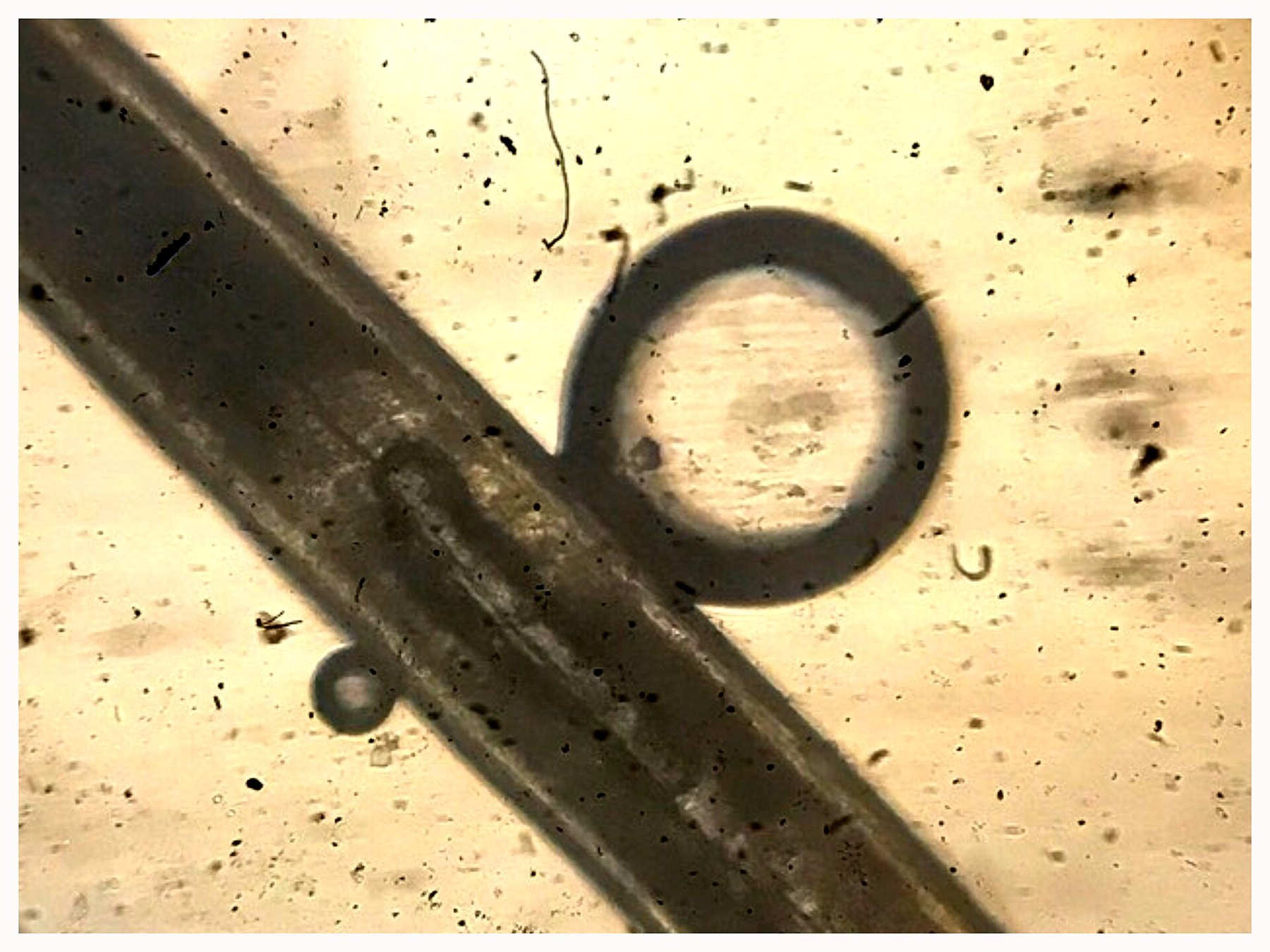
Microscopy gives the clearest picture of why fried hair feels the way it does. Scanning electron microscopy of excessively bleached hair showed brittle torn cuticle scales, rough surface, endocuticle debris and longitudinal fissures where cuticle separated. Transmission electron microscopy of bleached hair showed cuticle separated from cortex and many pores between macrofibrils from dissolved melanin, with no melanin granules detected. Once those scales lift and crack, bleach induced cuticle erosion is linked to rougher feel, decreased luster, porous appearance, frizz, tangling and higher breakage risk. Atomic force microscopy relocation work measured surface topography and Youngs modulus on the same fiber before and after bleach to track time dependent stiffness loss. The fiber did not simply dry out. It lost stiffness over time.
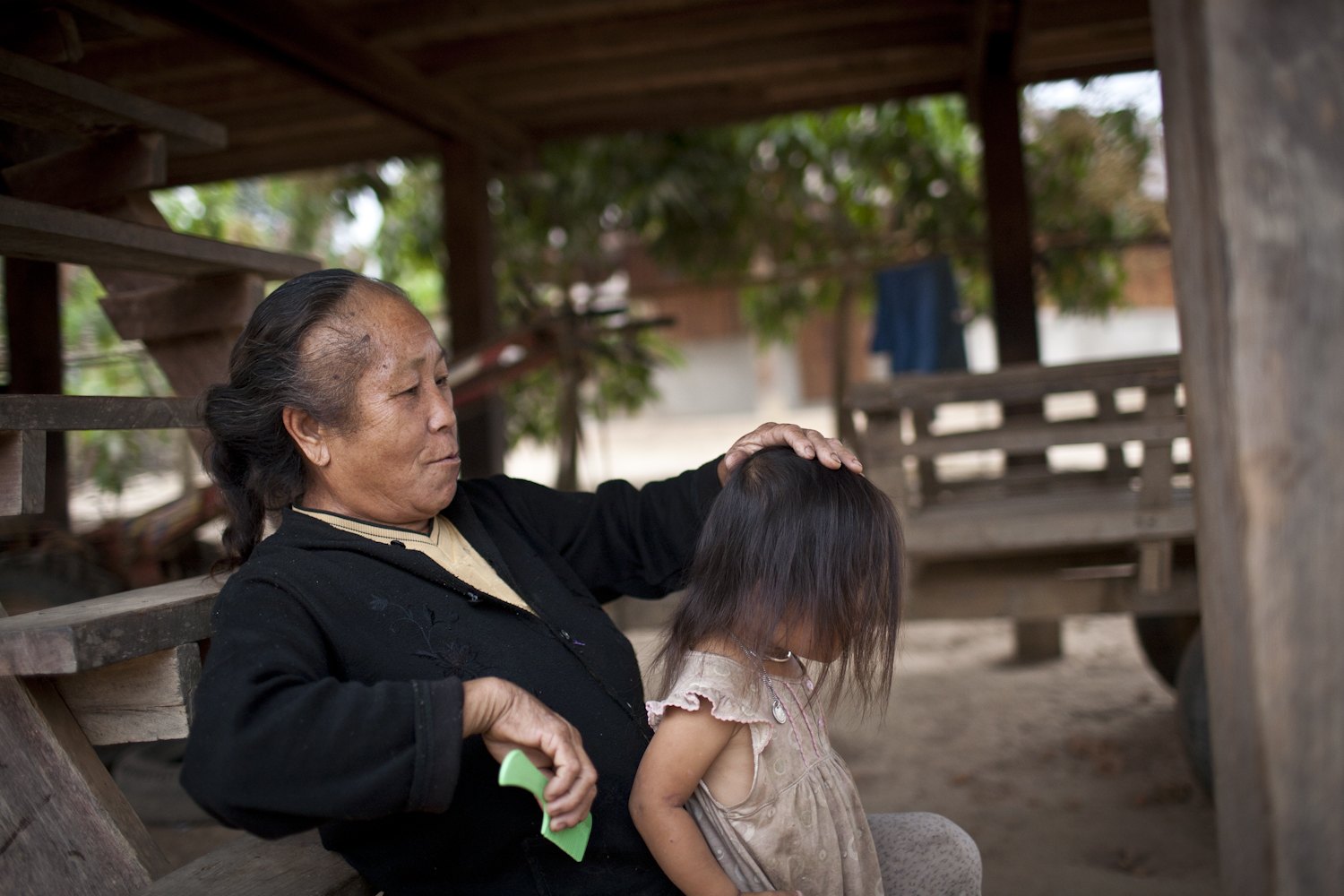
That loss changes daily handling. Once hair is bleached, damage from combing and other treatments is enhanced, and damaged hair cannot self restore without external treatment. Wet detangling pulls harder on raised cuticle. Heat passes faster into a porous cortex. Ends thin because small breaks accumulate, not because one dramatic snap removes inches. Anyone washing twice a week, sectioning gently, massaging in conditioner mid lengths to ends, combing through with a wide tooth comb, rinsing lukewarm and patting dry will see less loss than someone who piles wet curls on top of the head and rakes through. Technique carries as much weight as product.
Split ends never rejoin, so keeping length means reducing new breaks while old damage grows out.
Why bond builders help and where they stop
The modern repair shelf began with bond building. Olaplex launched in 2014 and commercialized bis-aminopropyl diglycol dimaleate to patch broken disulfide bridges using click chemistry developed at University of California Santa Barbara. In 2019 a Delaware jury ruled L’Oreal had used patented Olaplex chemistry involving maleic acid and ordered 91 million dollars in damages. K18 launched a salon peptide product in 2020 and consumer version in 2021, using a peptide of about 13 amino acids with up to five cysteines to bind multiple keratin sites. Later formulas leaned on acids and peptides that aim to support charge balance, tighten swelling and add temporary crosslinks.
Results look better on the surface than they sometimes measure inside. Taddei and colleagues in the International Journal of Biological Macromolecules in 2020 found none of the tested bond repair products caused measurable increase in cortical disulfide content by IR and Raman spectroscopy. Novel thiol crosslinkers APA, STA and SAA were tested in vitro by tensile strength and cysteine reactivity, with APA showing highest restoration of tensile strength and elasticity. Those lab results remain early, without proof of safety and lasting effect in normal use.
This gap sits at the center of the debate. At the sink it is unclear whether popular bond builders truly rebuild disulfide bonds or mainly improve feel, rearrange existing bonds and add other crosslinks. Malic acid binding to all amino acids is presented as broader repair, while tested bond repair ingredients showed no measurable increase in cortical disulfide content. Hair is highly variable by size, pigment, cuticle thickness and history, so stylist results and durability of Olaplex type versus peptide type care differ between heads. Cuticle cannot self restore once damaged, so surface smoothing can look better without restoring measured strength, which complicates before and after claims. The Science-y Hair Blog warned that “A product can claim to rebuild bonds in your hair whether it does or not. A bond-building product does not have to PROVE it rebuilds bonds, in order to SAY it does that.”
A workable routine accepts that limit. Wash with lukewarm water and a gentle lather, then section damp hair in four parts. Comb through each section from ends upward with slip from conditioner. Massage in a bond product where the label directs, rinse as directed, layer a light protein step and a moisture step on alternate washes, pat dry rather than rub. Leave a mask on for the minutes stated, often five to ten, then rinse cool. Use one to two pumps of leave in for fine hair and more for dense coils, shave with the grain where body hair is removed, and protect ends at night in a loose braid or wrap. Plan trims every eight to twelve weeks to remove splits before they travel. Allow four to eight weeks before judging a scalp serum or repair routine, since breakage counts need wash cycles to show a pattern. Anyone with ongoing shedding, scalp pain, blistering after bleach, or a child with flaring eczema should see a dermatologist or pediatrician for diagnosis.
Evidence still leaves open questions. How much measured strength recovery persists through repeated washing, heat and UV in real life remains unclear. Safety and effectiveness of new thiol crosslinkers such as APA beyond in vitro tensile tests remains unclear for real routines at the sink or in the chair. Which combination of bond support, protein, moisture and trim interval best preserves length for each bleach history has not been settled. How far cuticle sealing and porosity reduction can lower future breakage once cortex pores have formed is still uncertain. Honest brands state support for appearance and breakage, not reversal.
Keeping length after bleach is possible. Keeping the original fiber is not. Managed recovery asks for lower lightening frequency, acidic finishing, careful detangling, balanced protein and moisture, and regular trims that cut away what chemistry altered. The head in the mirror gradually becomes new growth supported well, rather than old damage repaired back to new.

Ellen Sloane
Ellen looks after the brands Body of Work works with and makes sure every sponsored page says so. She spent years in salon education for a professional hair care company, so she can tell a demonstration from a claim.
More from Ellen Sloane →