Shedding that starts months after birth looks sudden, but the shift began at delivery when falling progesterone and rising prolactin moved many follicles together toward rest and release. Most cases settle before the first birthday with gentle handling and steady nutrition, while iron shortfall, thyroid change, tension or patterned loss can keep thinning visible longer.
“Diffuse shedding without scarring or inflammation” is how dermatology describes telogen effluvium, and the spare wording reveals why postpartum loss feels so strange. The scalp looks calm. There are no smooth bald spots, no crust, no pain in most cases, yet the shower drain, the brush and the pillow tell another story. Sometimes the temples or the frontal hairline look thinner first. The process is spread across the head rather than centred on one patch, which helps separate it from other forms of loss.
What shifts after delivery
Hair grows in a cycle that Cleveland Clinic describes as anagen lasting two to six years, a short catagen transition, and telogen resting lasting about three months before release. At any time most scalp hair, 85 to 90 percent, is in anagen, and normal shedding is up to 100 hairs per day. In telogen effluvium up to 30 percent of follicles may shift to telogen, against a normal scalp pattern of about 85 percent anagen and 15 percent telogen hair. That change in proportion explains volume loss without bare skin.
Pregnancy holds more hairs in anagen for longer, linked to progesterone effects, and after delivery falling progesterone with rising prolactin is linked to premature catagen and synchronized telogen entry. Because excessive shedding of telogen hair typically occurs 2 to 3 months after exposure to a trigger, the bathroom floor in month four reflects hormones from month one. Telogen effluvium is classified as acute when lasting less than six months and chronic when lasting more than six months, and it is usually triggered by physiological or emotional stress.
Timing studies point to the same window. In a questionnaire study of 331 respondents, 304 women, or 91.8 percent, reported postpartum hair loss. In that study the average start, peak and end were 2.9, 5.1 and 8.1 months postpartum. Postpartum shedding usually peaks about four months after childbirth and normal fullness returns by the childs first birthday. Indiana University dermatology guidance states shedding typically begins 2 to 4 months after childbirth, peaks between 4 and 6 months, and improves by 6 to 12 months. Cleveland Clinic states postpartum shedding should last less than six months and fullness should return by the childs first birthday.
The numbers describe an average, not a promise. Longer breastfeeding and preterm labor were independent predictors of postpartum hair loss in logistic regression, although questionnaire design, recall accuracy and participation bias limit causal claims. One review noted no significant difference in shedding rates between pregnant and postpartum women, questioning whether postpartum telogen effluvium is a distinct entity. Guidance describes most cases as self limited, yet a minority report thinner hair than before pregnancy or persistence beyond one year. The overlap keeps the picture honest. Heavy shedding around three to five months is expected, regrowth toward the first birthday is common, and variation remains part of the pattern.
Why some shedding lasts longer
Postpartum telogen effluvium usually presents as diffuse shedding without smooth bald spots, sometimes with more visible thinning at temples or frontal hairline. When loss stays heavy or the part looks wider, dermatology looks for companions rather than blaming the birth alone. Indiana University guidance lists low iron, zinc, vitamin D and protein, plus stress and postpartum thyroid dysfunction, as factors that may contribute to more noticeable shedding. Cleveland Clinic advises talking to a provider if hair loss continues for more than six months because of possible iron deficiency or thyroid disease. If shedding persists beyond one year, consult a healthcare provider or dermatologist to rule out other causes.
Waiting is not the same as ignoring the scalp.
Patterned and tension related loss often appears in the same mirror. In a study of 200 postpartum patients, 9.5 percent had telogen effluvium alone, 56.0 percent had telogen effluvium with androgenetic alopecia, 6.5 percent had telogen effluvium with traction alopecia, and 28.0 percent had all three. Prolonged or unusual postpartum loss may uncover androgenetic alopecia, traction alopecia from repeated tension, or retrograde alopecia of the lower scalp. Postpartum shedding often fits telogen effluvium, but postpartum telogen effluvium may unmask androgenetic alopecia or traction alopecia that will not resolve with waiting alone. A dermatologist or pediatrician referral matters for diagnosis when patches appear, when thinning looks patterned, or when a household routine must work around eczema, shedding and a newborn at once.
What care can support in the waiting months
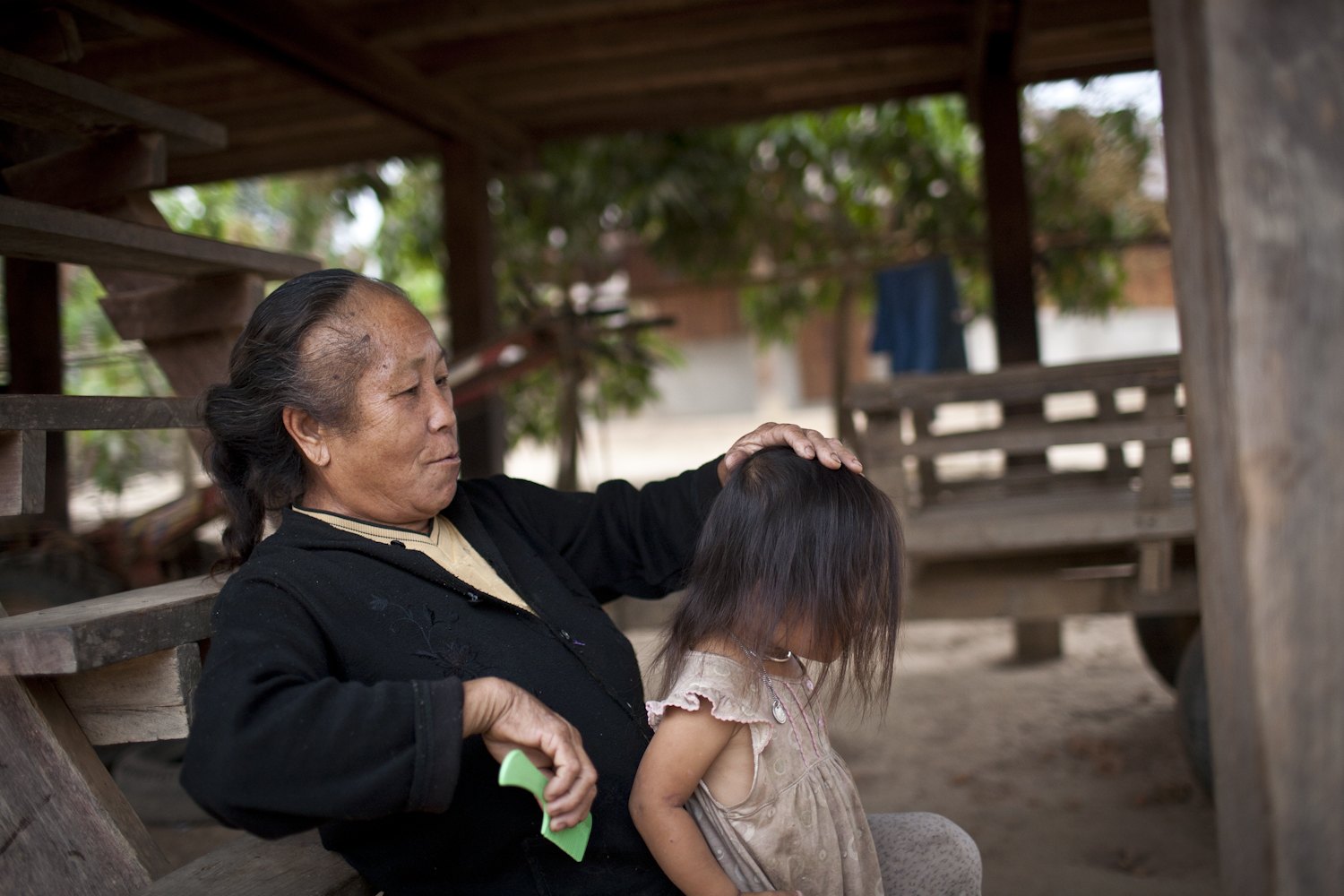
Cleveland Clinic recommends volumizing shampoos and lighter conditioners, gentle washing and combing, lower heat, avoiding tight ponytails and braids, and considering shorter cuts. The method matters as much as the bottle. Lather with fingertips rather than nails. Rinse fully, then comb through damp hair with a wide tooth comb, working from ends toward roots. Section thick or textured hair before detangling. Massage in conditioner mid length to ends, pat dry instead of rubbing, and layer leave in products lightly so roots keep lift. Shave with the grain where shaving is part of the routine. Sleep with hair loose or in a soft low tie, and rotate styles away from repeated tension at the same hairline.
No trials show that scalp serums, personalised shampoos or supplements shorten postpartum shedding or change regrowth. That absence shapes buying choices. A serum may support the appearance of fullness or comfort during the wait, and a lighter shampoo may help fine hair look thicker for the day, but neither resets the cycle clock set by hormones. Supplements cannot stand in for meals, sleep as available, or follow up on iron and thyroid questions, and there are no target ferritin, thyroid thresholds, doses or treatment durations for prolonging factors. How often visible thinning after one year is persistent telogen effluvium versus unmasked androgenetic or traction alopecia is not quantified, so persistence calls for examination rather than another bottle.
Caution also applies to stronger actives. What minoxidil or other active drugs do during nursing or when they need clinician supervision is not stated, which is why minoxidil and other actives need a clinician during nursing. A dermatologist can weigh history, examine the pattern, check for iron deficiency or thyroid disease, and advise on what fits breastfeeding, traction history and family pattern. Anyone with heavy loss, dizziness, marked fatigue, scalp pain, scaling, patches, or a child with flaring skin alongside the parent’s shedding should seek prompt care rather than adjusting products alone.
Most postpartum shedding resolves with gentle care and time, and a visit to a dermatologist matters when shedding lasts past a year or leaves visible thinning. Keep washing regular, keep tension low, keep meals steady, track months rather than hairs, and ask for help when the timeline stretches or the pattern changes.

Ellen Sloane
Ellen looks after the brands Body of Work works with and makes sure every sponsored page says so. She spent years in salon education for a professional hair care company, so she can tell a demonstration from a claim.
More from Ellen Sloane →