- An evidence review dated 21 August 2026 took a fresh look at bakuchiol alongside retinol.
- One 12 week trial tested 0.5 percent bakuchiol morning and night against 0.5 percent retinol at night in 44 people.
- Wrinkle area and dark spots shifted in a similar way, while scaling and stinging showed up more with retinol.
44 people sit at the center of this story, and a fresh evidence review on 21 August 2026 put their results back under the light. AutyFIT Editorial revisited bakuchiol as a possible retinol alternative. The review focused on a 12 week direct comparison from 2019 and asked brands to use simpler language on packs and shelves.
Anyone who finds nightly retinol rough may find this detail worth knowing. The most studied direct comparison reported similar shifts in photoageing signs with easier tolerance for bakuchiol. That finding applies to a single routine only. It does not make every bakuchiol serum equal to retinol.
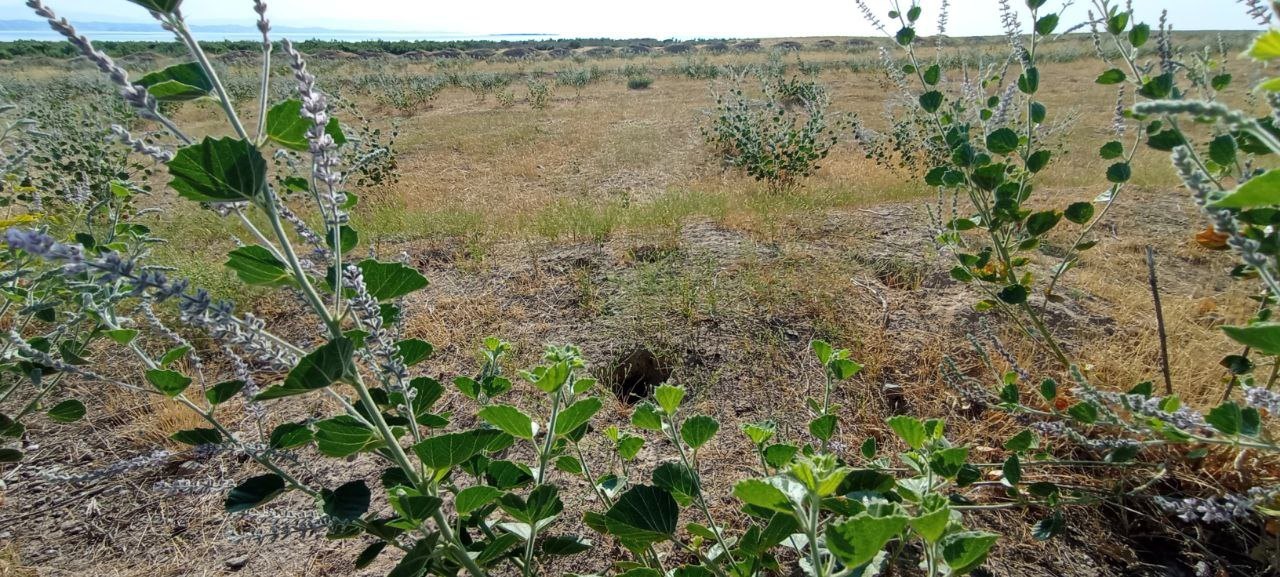
The background begins with a plant source. Bakuchiol is a meroterpene phenol linked to seeds and leaves of Psoralea corylifolia, also called Cullen corylifolium. Seed oil, a weak extract and high purity bakuchiol remain distinct starting points. The 2020 Pierre Fabre study reported its bakuchiol raw material at approximately 95 percent purity.
The trial itself stayed small and focused. It was registered on ClinicalTrials.gov as NCT03112863. It compared 0.5 percent bakuchiol used twice daily with 0.5 percent retinol used once daily for 12 weeks in 44 people. Both groups saw clear drops in wrinkle area and dark spots, with no real gap between the two treatments on those scores. One summary put the change at 20 to 30 percent less in fine lines and dark spots.
Comfort drew a line between the two routines. People on retinol reported more facial flaking and stinging than people on bakuchiol. In 2019 Chaudhuri and Bojanowski wrote in the British Journal of Dermatology that bakuchiol equals retinol for easing photoageing and is tolerated better.
The science supports curiosity without pushing too far. Retinol changes into retinoic acid in skin and binds retinoid receptors, whereas bakuchiol does not change into retinoic acid. Gene expression work from 2014 showed bakuchiol switched on downstream collagen boosting pathways while holding back MMPs that break down collagen. Later reviews point much the same way. A review in the Journal of Integrative Dermatology searched PubMed and EMBASE for bakuchiol and photoaging, kept seven articles from 2014 to 2021, and found bakuchiol worked as well as retinol with easier tolerability in direct comparison. A 2024 comparative study in the Journal of Cosmetic Dermatology saw like results for photoaging and dark spots after 12 weeks with fewer notes of redness and flaking.
Sourcing and dose deserve attention next. The direct comparison used separate schedules, so it tested routines rather than equal weight potency. Product wording often merges cell, animal and human findings into one studies show statement, which claims more than cosmetic trials measured. A market analysis by Grand View Research in 2025 projected the global bakuchiol market to grow at a compound annual growth rate of 7.5 percent through 2030, which may bring more products with less clarity.
For now, view bakuchiol as one gentle option for touchy routines, not a full swap for each retinoid outcome.

Vanessa Delgado
Vanessa runs the news desk and the how-to guides at Body of Work. She follows every guide step by step at her own sink before it runs, with a kitchen timer on the counter.
More from Vanessa Delgado →