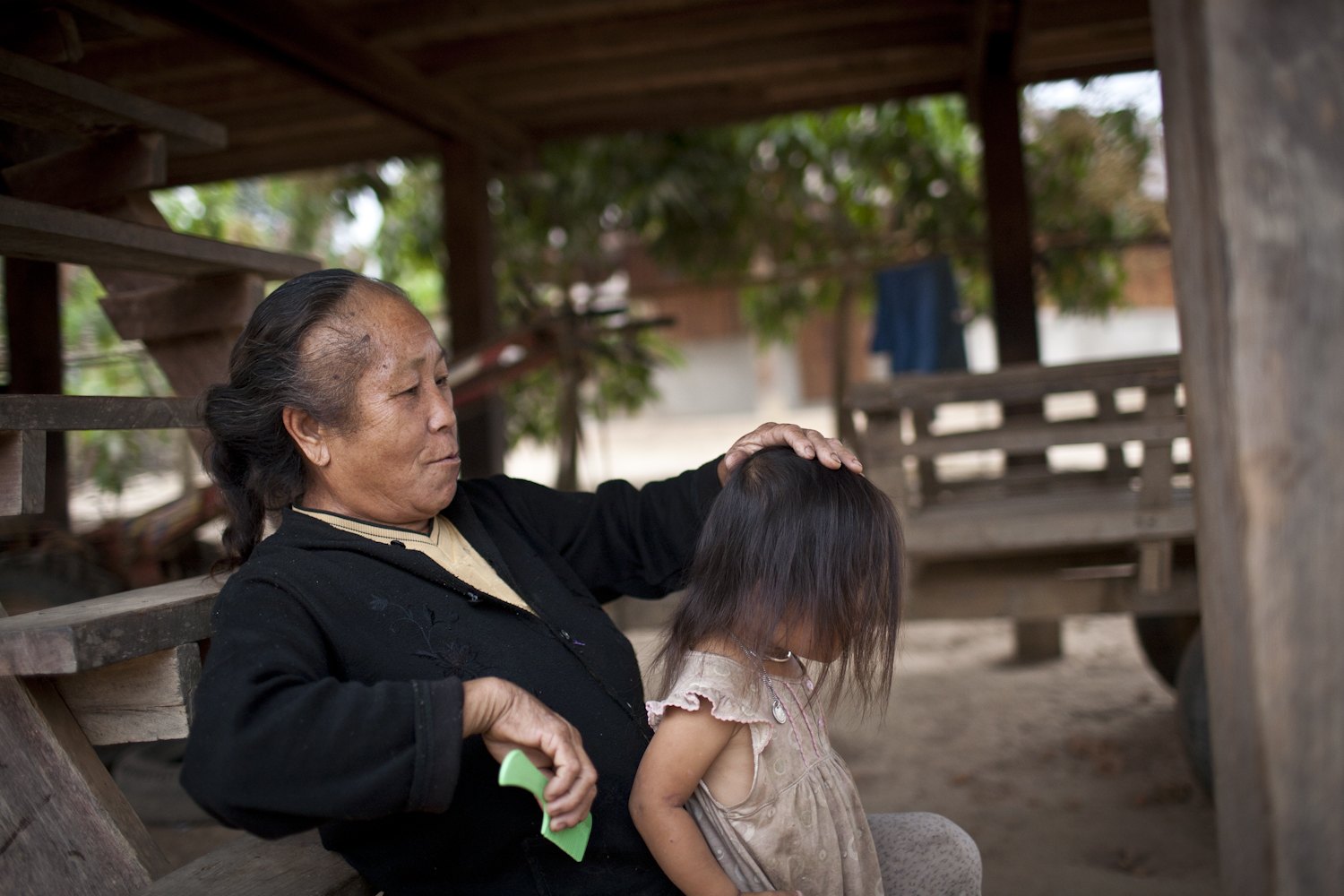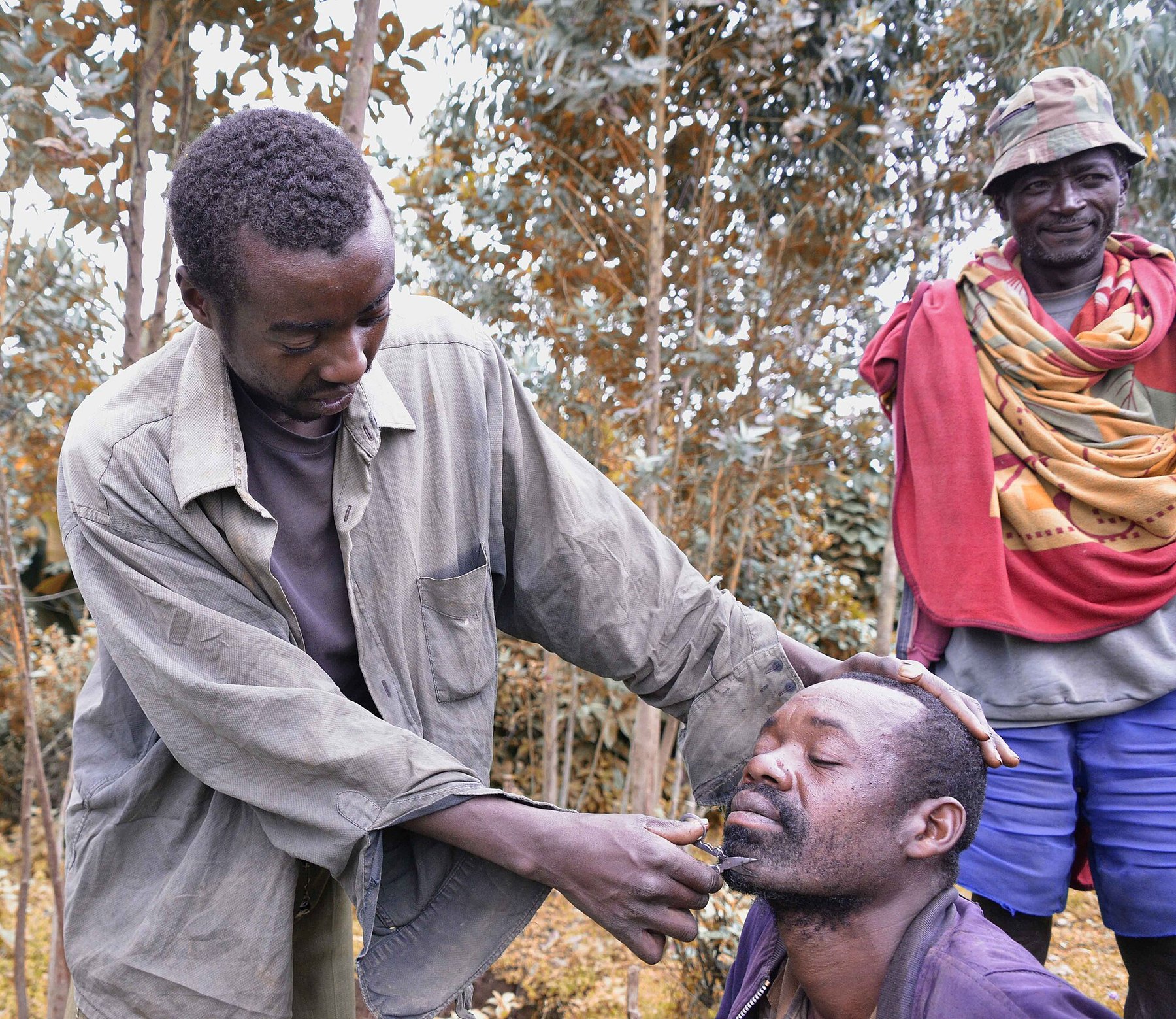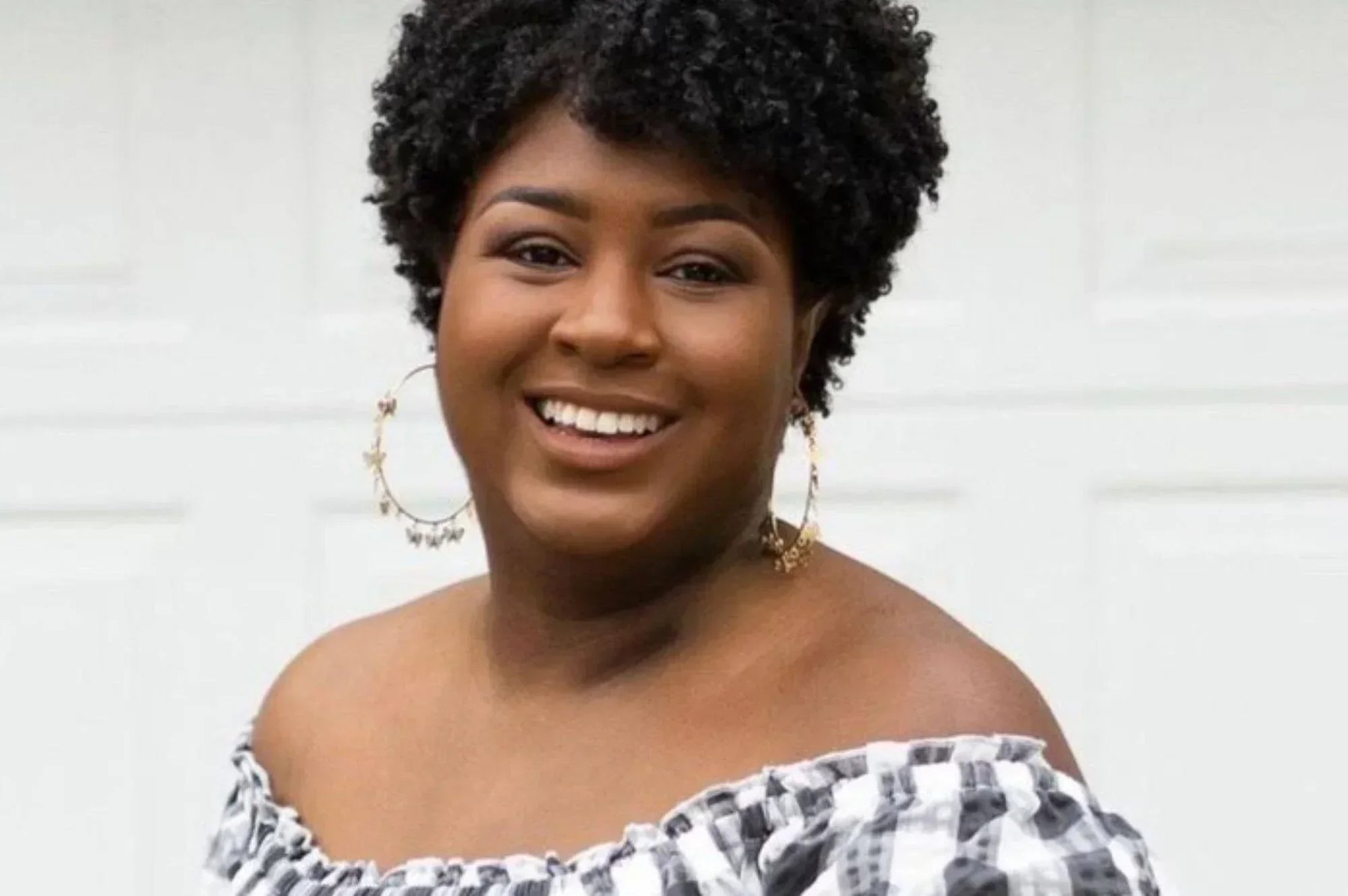
Wash day stretches for hours because coiled hair asks for patience, section by section, with water, conditioner and covered nights to keep length. The record shows why many people learned to be careful, and what steady care can hold.
In 1872 the hot comb credited to French hairdresser Marcel Grateau made temporary straightening of curly and kinky textures widely possible, and Black hair care began a long negotiation with heat and chemistry.
In 1877 the hair relaxer credited to Garrett Morgan offered a chemical route to loosen curl. Garrett Augustus Morgan Sr. launched G.A. Morgan’s Hair Refiner in 1913 after finding a lye formula loosened curly textured hair. Madame C.J. Walker then built a hair care line that made straightening afro textured hair easier and made her the first well known American female self made millionaire. The first commercial at home hair permanent, now called a perm or relaxer, was introduced for Black men in 1954. A treatment called the Jheri curl or curly perm became widely popular around 1970. Heat and lye promised manageability. The price was dryness, breakage and scalp injury for many users.
During the Black Power movement figures such as Angela Davis wore an afro and actress Cicely Tyson wore cornrows, linking natural styles to civil liberties and heritage. Chris Rock’s 2009 film Good Hair later examined the Black hair care industry and identity. Carol’s Daughter was founded in 1993 by Lisa Price and became a company at the forefront of the natural hair movement. “Black hair and Black beauty weren’t recognized and celebrated in a magazine-style format, which is what I craved,” said Patrice Yursik, founder of Afrobella. Celebration did not shorten Sunday. It changed what Sunday was for. Less burning and pressing, more washing, separating, conditioning and protecting.
Why coils lose moisture and snap
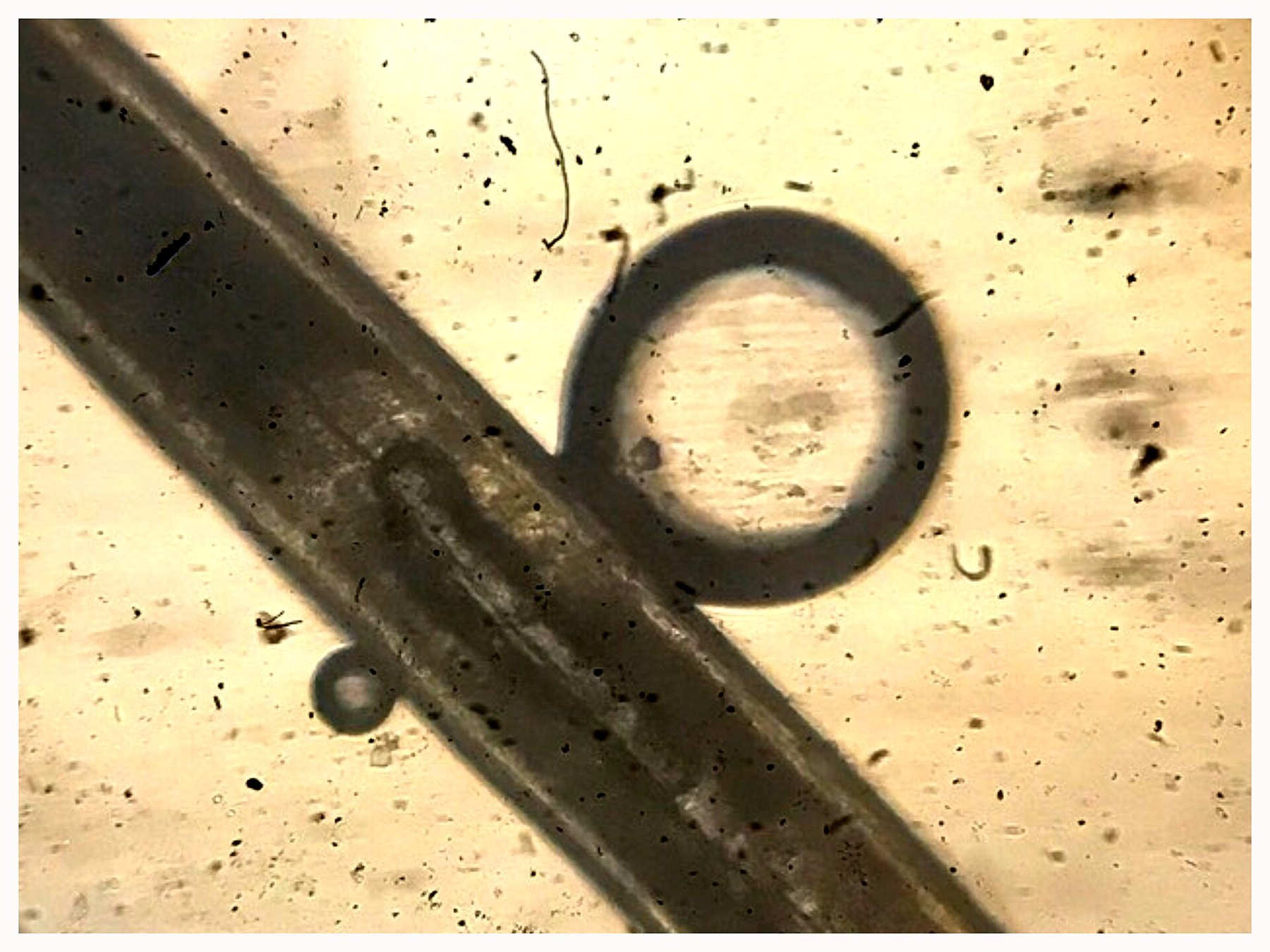
A narrative review of PubMed, Scopus and Web of Science from 2010 to 2024 organized afro textured hair literature into six domains including therapeutic relationship, classification, structure, conditions, products and diagnosis. The review describes afro textured hair as coiled elliptical fibers from ovoid retro curved follicles with asymmetric protein organization that impairs sebum distribution. Curly hair has an elliptical cross section and grows from a curved follicle, which creates points of weakness and breakage at tight bends when dry or stressed. Sebum travels less easily along a curly or coily fibre than along a straight one, so curly hair tends to be drier and more vulnerable to mechanical damage.
It is still debated whether tight curls are naturally more fragile or made fragile by tension, chemicals and dryness from poor sebum spread. The distinction matters in the shower. If dryness comes mostly from structure, then conditioning and handling carry more weight than growth aids. If damage comes mostly from styling, then tension and heat matter most. In practice both forces meet at the bend in the fibre. Water softens. Fingers find knots before tools do. Conditioner gives slip. Hurry creates snaps.
Type 4 coily hair from 4A to 4C often shows 50 to 75 percent or more shrinkage, while Type 3 curly hair shows around 20 to 40 percent. Shrinkage pulls length upward and makes progress hard to see. A damp stretch test helps separate shrinkage from breakage because hair that elongates when damp and bounces back shows shrinkage. Shrinkage is described as a healthy sign of hydration, but more shrinkage than usual for a curl type can signal dryness or damage. That mixed message confuses. Length can be present and hidden at the same time, while broken pieces on the floor tell a different story.
A method that protects length
Detangle on saturated hair with conditioner or leave in, in 4 to 6 sections, using fingers first then a wide tooth comb from ends to roots. Sectioning keeps the work small enough to feel. Clips hold the waiting hair damp under a cap while one section gets attention. Lather reaches the scalp in parts rather than in one piled mass. Rinse with warm water. Massage in conditioner. Comb through from ends to roots. Pat dry with a smooth cloth instead of rough rubbing.
The LOC method applies leave in, oil then cream in that order to lock moisture in. Layer thinly on damp hair. A few drops of oil seal, then cream holds the softness. Too much oil leaves strands coated and limp, so start with less and add only where ends feel dry. Heat free stretching methods described include banding every couple of inches, threading, and braid outs and twist outs installed on damp hair and unraveled when fully dry. Banding stretches without heat. Braid outs and twist outs set definition while damp, then separate only when fully dry to keep frizz low.
Length stays when tension stays low and moisture stays steady.
Night protection described includes a satin or silk pillowcase, a satin bonnet or scarf, and pineappling long curls loosely on top of the head. Cotton draws moisture and roughs the cuticle. Satin lets hair slide. Pineappling keeps long curls above the crush of sleep. Morning refresh uses water mist and a little leave in, then reshaping by hand rather than dry brushing.
The narrative review notes limited clinician training and selection bias, so guidance on products and regimens is based on recurring themes rather than strong trials. That gap leaves room for texture claims that outrun data. Marketing language such as clinically studied can describe one ingredient rather than the finished product at the used dose. In September 2025 the FDA released roughly 100 warning letters to drug companies for misleading online ads, including claims using phrases like clinically proven ingredients without adequate substantiation. Hair shelves use softer words, but the pattern holds. One named extract does not prove the jar grows hair.
When pulling becomes loss
Traction alopecia rewards early action. Longstanding repetitive pulling in traction alopecia can destroy follicles and cause permanent smooth shiny bald patches. “This is the most important step to take to prevent hair loss from worsening or becoming permanent,” states the British Association of Dermatologists patient leaflet, referring to stopping tight hairstyles. Loosen ponytails. Release the edges. Rotate braids with periods of loose hair. Ask a stylist for lower tension and speak up when a style hurts.
Applying 2 percent or 5 percent minoxidil solution or foam twice daily to affected scalp areas may stimulate growth, and foam without propylene glycol may reduce irritation and residue for curly hair. Talk with a dermatologist before starting a drug treatment, especially when shedding spreads or the scalp burns, itches or scars. Central centrifugal cicatricial alopecia begins at the crown and spreads outward, disproportionately affects Black women, and needs early dermatology referral because delay can cause irreversible loss. A widening bare crown with smooth skin is not simple breakage. It calls for prompt care.
What the evidence does not show should shape expectations. Research does not state how often tight curls should be cleansed and conditioned for best length retention, in exact days or weeks. To date, research does not name which specific moisturizer, oil or curl cream formula best prevents breakage for each curl pattern. As a consequence, research does not measure how much length loss on wash day is due to breakage versus normal shedding and shrinkage. So trust a routine that can be repeated, checked and adjusted. Cleanse when scalp and sections need it. Condition every wash. Detangle damp in sections. Keep styles low in tension. Cover hair at night. Judge a serum across weeks, not days.
Length retention comes from low tension technique and steady moisture, not from a single curl defining product. Wash day takes all Sunday because careful work takes time, and that time is the treatment.

Ellen Sloane
Ellen looks after the brands Body of Work works with and makes sure every sponsored page says so. She spent years in salon education for a professional hair care company, so she can tell a demonstration from a claim.
More from Ellen Sloane →