- Bemotrizinol was added to US sunscreens June 9, 2026, for use from August 9, 2026 up to 6 percent
- The filter covers UVA and UVB, holds up in sun and steadies avobenzone with little skin uptake
- US sunscreens move from 16 to 17 actives, still far fewer than the 30 plus filters used in Europe
Your morning layer may soon spread easier and hold longer through sun, after regulators moved in June. For over 20 years our sunscreen shelf stayed fixed while Europe stocked more than 30 UV filters. The Food and Drug Administration ended that stall with a proposed order on December 12, 2025, then added bemotrizinol on June 9, 2026, effective August 9, 2026.
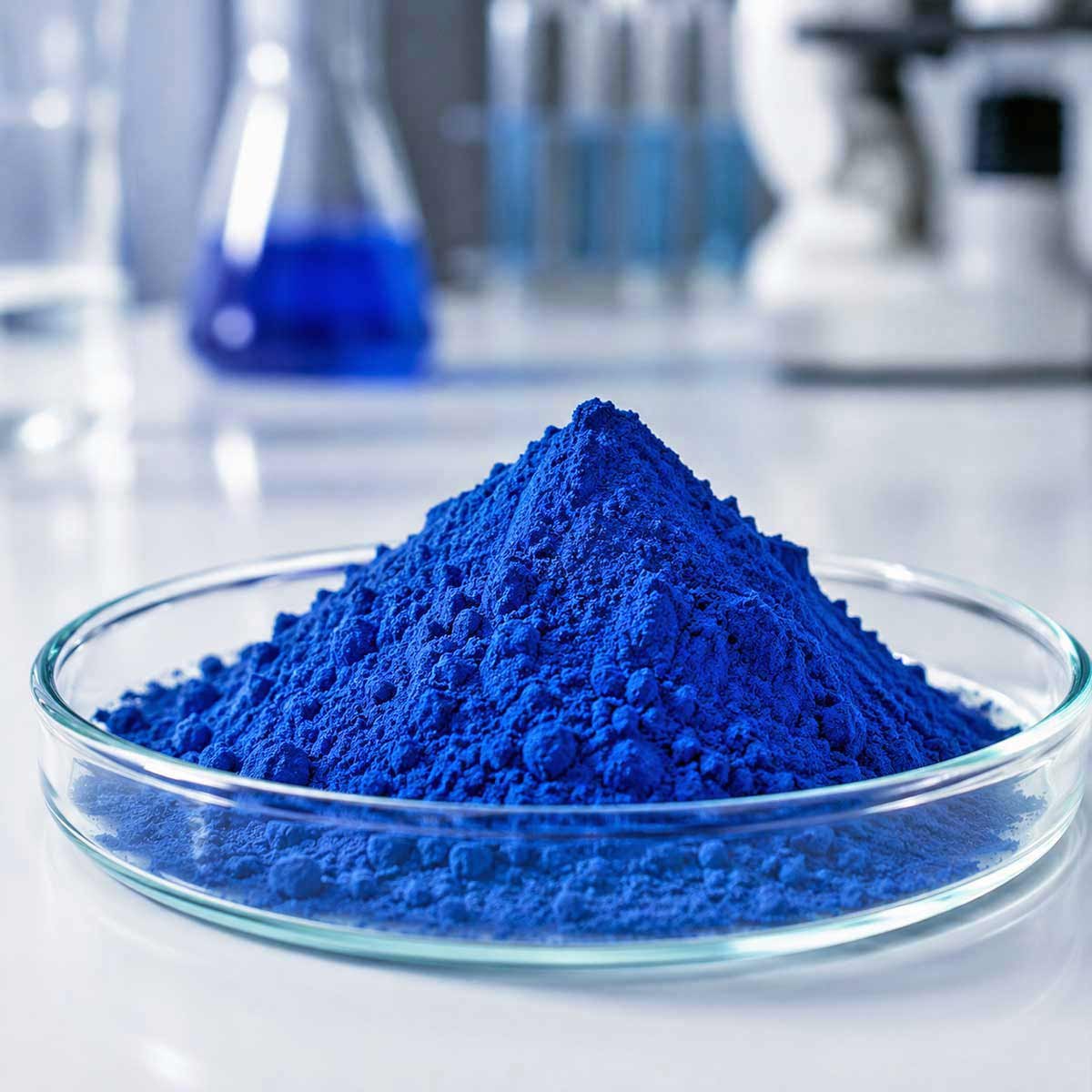
At the sink the gain is broader everyday coverage. Bemotrizinol screens out both ultraviolet A rays and ultraviolet B rays. It keeps more than 90 percent of its protective capacity after extended sun exposure in testing and can help stabilize other filters including avobenzone. Its molecular weight of 627.8 g/mol helps it sit on the skin surface, and the agency measured low uptake through the skin.
The Food and Drug Administration rates bemotrizinol as generally recognized as safe and effective for adults and children 6 months of age and older. DSM Nutritional Products LLC asked to add it at levels up to 6 percent. That cap guides formulas, since bemotrizinol is allowed at 10 percent across the EU, UK, Korea, Australia, China, Brazil and India.
Use elsewhere goes back years. The filter has served shoppers across the European Union since 2000 and has also stocked shelves in Australia, parts of Asia and Latin America for years. Before bemotrizinol the US counted 16 active sunscreen ingredients, with two proposed as not generally recognized as safe and effective and rarely used. After bemotrizinol, the US count grew to 17, while the EU has cleared more than 30 UV filters.
The gap shows most in UVA coverage. Only two Food and Drug Administration cleared ingredients give strong UVA cover, zinc oxide and avobenzone, while European makers can pick from 10 ingredients that give strong UVA cover. An Environmental Working Group review of 51 products showed only 35 percent met the EU bar but 94 percent would clear the current US bar. The EU calls for UVA cover at least one third as strong as the SPF.
Approval came through a faster route. Bemotrizinol was the first fresh active ingredient cleared under the faster path set by the CARES Act, finished within seven months of the proposed order. DSM Firmenich put at least 18 million dollars over more than two decades into its drive for approval. It holds sole rights to sell bemotrizinol in the US for 18 months as Parsol Shield, with first jars and bottles due around September 2026.
HHS Secretary Robert F. Kennedy, Jr. said bemotrizinol has served Europe safely for decades, and the move will lift choice and trust in sunscreen.
It is still not clear when products with bemotrizinol will be easy to find after the expected September start, and if the agency will move ahead on other pending filters such as bisoctrizole.
For now the steps stay familiar, smooth on a full layer and add more in sun, while the shelf slowly gains a new option.

Ellen Sloane
Ellen looks after the brands Body of Work works with and makes sure every sponsored page says so. She spent years in salon education for a professional hair care company, so she can tell a demonstration from a claim.
More from Ellen Sloane →