Itchy cheeks invite quick fixes. Many families trust that a thick balm labelled natural can calm eczema on its own, and that steady daily care matters less than finding the right jar. Pediatric guidance tells a plainer story about barrier support, bathing habits and clinician led plans for flares.
{.standfirst} Many parents believe a natural balm alone can clear a baby’s eczema if they only find the right one. That belief gets tested every night at the sink and in the bath, when cheeks stay rough and hands stay cracked despite careful layering.
A red cheek gets rubbed against a shoulder. A knuckle splits while washing dishes. A toddler scratches in sleep and wakes with dry patches along the arms. The search often starts with a balm, because a balm feels protective and simple. It sits on the skin, softens rough areas and gives hands something to do besides scratch. The trouble starts when one jar is expected to settle the whole condition.
Pediatric dermatology guidance keeps emollients at the center without asking them to carry everything. Moisturizers described as emollients are the cornerstone of atopic dermatitis treatment in American Academy of Pediatrics guidance. The same guidance says to apply an emollient as needed to control dry skin, often at least once daily. Application after bathing when skin is still moist may aid effectiveness, with daily use regardless of bathing frequency. Creams moisturize better than lotions and ointments such as Aquaphor, Vaseline and CeraVe Healing are very good moisturizers. Over the counter and prescription barrier repair agents include products with ceramides, filaggrin degradation products, natural moisturizing factor and shea nut derivatives. The American Academy of Dermatology pediatric guidelines give a strong recommendation for moisturizers to reduce severity of dry itchy skin.
What daily barrier care can support
Dry skin drives much of the discomfort. American Academy of Pediatrics guidance says the chief way to reduce itch is to address dry skin with daily emollients. Antihistamines are generally not recommended for routine use because itch in atopic dermatitis is not histamine mediated. That detail matters for households that keep an allergy syrup in the cupboard for every itch. For eczema related itch, the steadier habit is moisture held in the skin, reapplied as needed, rather than waiting for bedtime scratching to decide the routine.
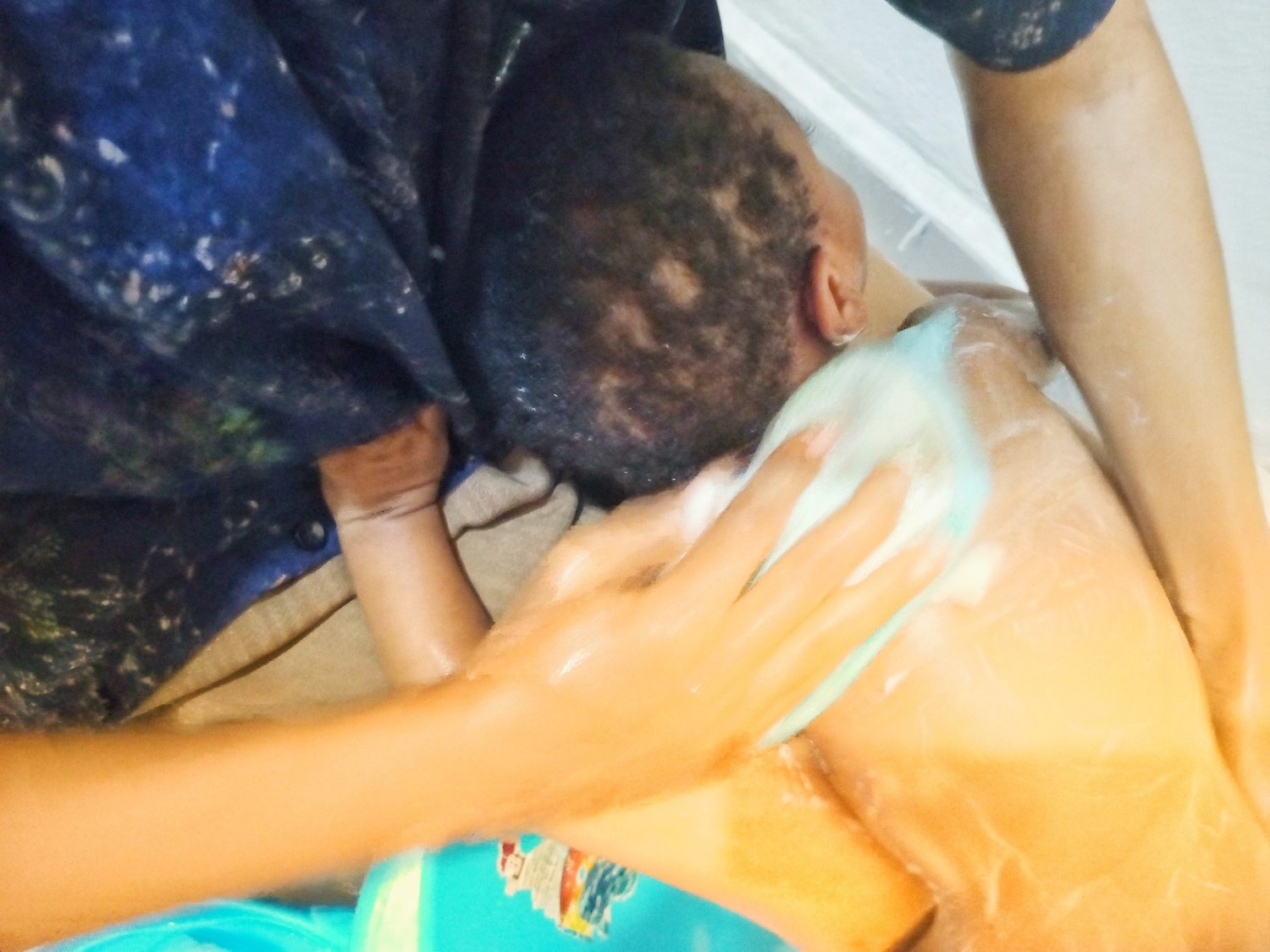
Bathing sets up that moisture. Guidance recommends daily bathing under 10 minutes in warm not hot water, followed immediately by emollient, plus fragrance free non soap cleanser. The order counts. Lather briefly, rinse, pat dry, then massage in cream or ointment while the skin still holds dampness. Section the body in the mind the way wash day sections hair. Cheeks first, then folds, then hands that get washed many times a day. A thin layer on a baby cheek and a thicker layer on adult knuckles can come from the same jar. Fragrance stays out because scent adds little and may irritate sensitive skin.
Some labels point to colloidal oatmeal or ceramides as the reason to buy. Barrier repair agents with ceramides and other ingredients are possible adjuncts, but their exact role is not yet clarified. What exact balm formula works best for a given baby or adult remains unclear, since emollient types are compared only in general terms. How much added benefit colloidal oatmeal or ceramides provide over plain petrolatum or bland emollients for long term control is also not established in the supplied sources. A family reading a healing balm label can still use it well. Look for a short list of bland moisturizing ingredients, a cream or ointment texture rather than a thin lotion, and fragrance free wording. Then judge the balm by use. Does it spread without pulling, seal damp skin, soften rough patches with daily use, and help reduce the urge to scratch? Weeks of steady use tell more than one night.
Steady barrier care plus a pediatrician or dermatologist plan beats product hopping.
Why steroid fear changes shopping
Fear of topical corticosteroids shapes many routines. Guidelines call topical corticosteroids first line for flares and maintenance due to affordability and accessibility, with a strong recommendation in American Academy of Dermatology pediatric guidelines. Pediatric guidance says to treat a flare by applying topical corticosteroid twice daily until improvement, usually a few days to 2 to 3 weeks. For infants or the face at any age, guidance recommends low potency hydrocortisone 1 percent or 2.5 percent. Used this way, under clinician direction, the medicine calms inflammation while the emollient supports the barrier.
Reluctance remains common. A 2024 survey of 110 parents in a tertiary pediatric allergy clinic found top concerns were growth retardation, hormonal imbalance and long term side effects. In an earlier atopic dermatitis study, 80.7 percent expressed anxiety about corticosteroid use and 36.7 percent were reluctant to start or continue treatment. Prior negative experiences and uncertainty about proper dosage sustain reluctance. Steroid fear is common even though guidelines call topical corticosteroids first line. That tension pushes some households toward anything labelled natural, even when the natural jar has less evidence behind it than the prescribed tube used briefly and as directed.
Product hopping follows. One balm replaces another before the skin has time to respond. Prevention headlines add to the churn. The CASCADE trial randomized 1247 infant parent dyads from 25 US primary care clinics to daily full body emollient starting by 9 weeks or control with follow up to 24 months. In CASCADE, cumulative atopic dermatitis incidence by 24 months was 36.1 percent in the daily moisturizer group and 43.0 percent in the control group, relative risk 0.84. Before CASCADE, over 10 randomized trials of barrier enhancement to prevent atopic dermatitis gave conflicting results. Early daily emollient care may help lower the chance of eczema in some infants, and it supports softer skin in any case, but no cream treats, cures or prevents eczema on its own.
A calmer routine for cheeks and cracked hands
A workable routine fits a real morning. Keep baths short and warm. Wash with a fragrance free non soap cleanser. Pat dry. Massage in emollient right away and reapply to hands after washing through the day. For a baby, use gentle amounts on cheeks and body folds, watch for scratching at night, and keep nails short. For an adult with cracked hands, layer after every wash, wear gloves for dishes and cold air, and keep a small tube where coats and keys live. Give a scalp serum its own timeline if one is in use, with weeks before judging change, and keep eczema care separate so results stay readable.
Flares need a plan made with a clinician. Pediatric guidance points to topical corticosteroids as first line, with attention to potency, site and duration. Families with questions about dosage, length of use or treatment around eyes, mouth and groin can ask a pediatrician or dermatologist before changing course. Daily bathing is often recommended with short warm baths plus emollient, although current data show no improvement in eczema, which means bathing supports comfort and emollient use rather than acting as treatment itself. Wet wrap therapy can help during selected flares, with damp layers over emollient and any prescribed topical, done only under professional guidance. Bleach baths are reserved for severe or recalcitrant disease with Staphylococcus aureus, not for routine dry skin.
Reading labels gets easier with that frame. A healing balm can support the skin barrier, soften dry skin and help reduce itch and flares when used daily. Barrier repair agents with ceramides, filaggrin degradation products, natural moisturizing factor and shea nut derivatives sit in that supportive role. A balm cannot calm inflammation the way a prescribed anti inflammatory plan can, and it cannot rewrite sensitive skin into skin that never flares. The steadier path is barrier care plus bathing habits and a clinician led anti inflammatory plan, not product hopping or natural labels.
Itchy skin asks for patience more than novelty. Choose one bland cream or ointment the household will actually use, apply it daily and after baths, keep baths short and fragrance free, and bring persistent redness, oozing, sleep loss or spreading patches to a pediatrician or dermatologist. Comfort builds in small layers. The right measure is skin that stays softer longer, nights with less scratching, and hands that can work without splitting, supported by care that repeats.

Vanessa Delgado
Vanessa runs the news desk and the how-to guides at Body of Work. She follows every guide step by step at her own sink before it runs, with a kitchen timer on the counter.
More from Vanessa Delgado →