- Prestige sales reached $17.1 billion in early 2026, with skincare ahead of makeup on both dollars and units
- Cleansers, lotions, sun protection and hair treatments carried growth as care spread past the face
- Plant-based skin care returned to growth as online buying became the top prestige channel
Circana LLC tracks prestige and mass beauty sales through store and online purchase data, and its beauty report for the first half of 2026 was published on August 11. The data showed United States prestige beauty sales up 7 percent to 17.1 billion dollars across the first six months of the year. Skincare rose 9 percent in the period, while makeup rose 3 percent and unit demand eased lower.
Mass beauty also increased 7 percent in the half, ending at 39.2 billion dollars. Unit demand stayed positive in both prestige and mass channels. Shoppers crossed price tiers and kept products that proved useful day after day.
For hands that lather, rinse, massage in and pat dry, the detail sits below the headline. Prestige body care rose 16 percent, helped by body cleansers, body lotions and deodorants. Sun care rose 19 percent as more people treated protection as part of daily care. Face cream, facial cleanser and eye treatment each posted steady growth with regular use.
Skincare looked strong in volume as well as value at the sink and shelf. Units in prestige skincare rose by double digits. That result followed a 1 percent decline one year earlier, which suggests daily use has become more stable. Prestige makeup rose in dollars yet fell in units, a softer volume read than skincare.
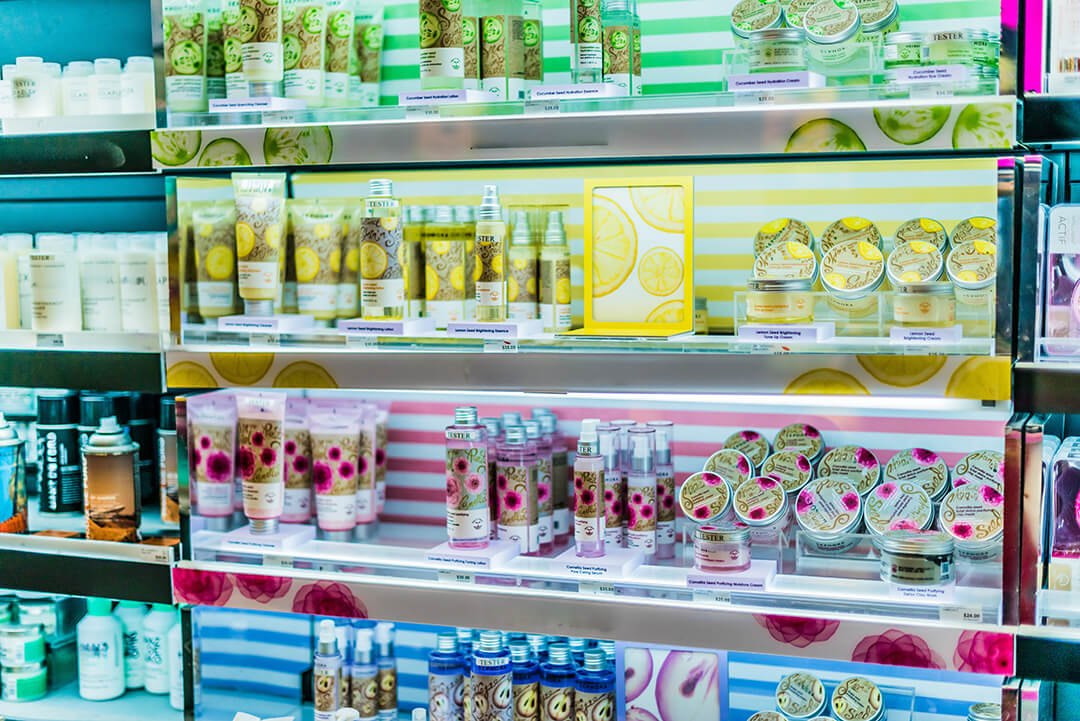
The plant based result sits within that change. Natural skin care brands returned to growth in both dollars and units in prestige for the first time in years during the first half of 2026. Ecommerce became the top channel for prestige skin care for the first time in the half. Together those movements support formulas chosen with care and routines repeated over time.
Fragrance remains a clear path to affordable luxury and self expression, while skin care is lifted by a growing focus on whole body wellness, preventative care, and daily rituals, said Larissa Jensen, global beauty industry advisor at Circana. Her second point also fits people who wash, moisturize and protect. Beauty keeps gaining because shoppers will buy across price tiers, choosing to spend on products that give the strongest emotional and functional value, she said.
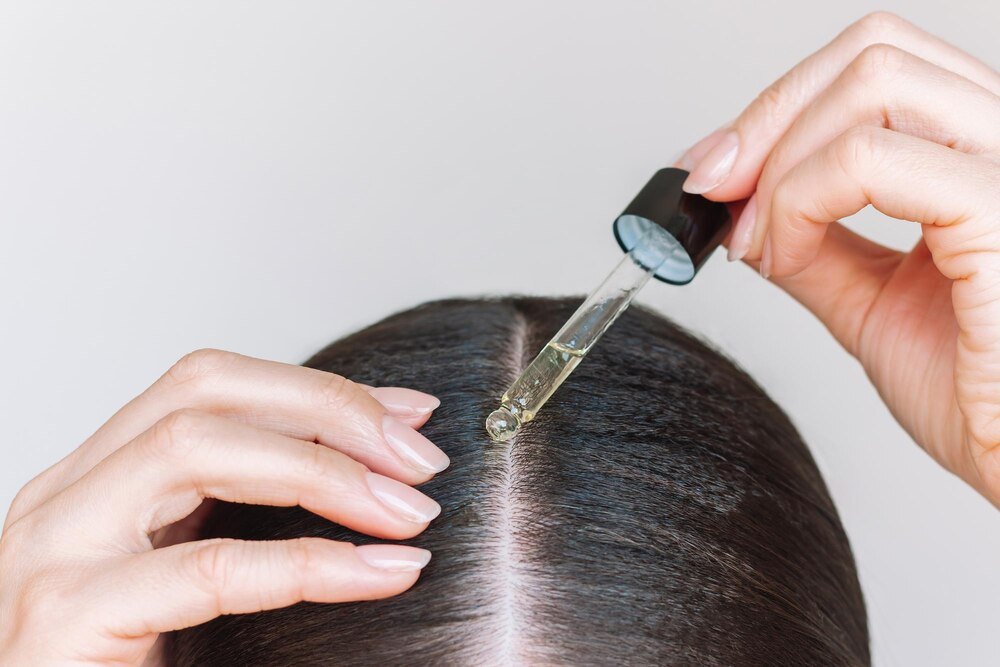
Other categories give context without shifting the lead. Prestige hair care rose 11 percent against the prior year, with treatments as the largest growth driver. Prestige fragrance dollar sales rose 6 percent, with average prices up 5 percent while unit sales stayed flat. Eau de parfum and perfume saw double digit growth as buyers leaned into richer concentration formats. Luxury fragrance, around 15 percent of total prestige fragrance, rose in dollars and units, driven largely by women’s fragrance purchases.
Some limits are best kept where you can see them during the routine. Absolute dollar sales for prestige skincare against prestige makeup in the half are not reported here. They do not show if skin care gains came from new buyers, repeat purchase, or higher prices. At this time they offer neither third quarter data nor a full year forecast.
What to watch next is a short season of refills. If body care, sun care and facial staples hold pace, growth will still come from use more than novelty. Lip liner grew fastest in prestige makeup, while bronzer and blush earned double digit gains. Those accents count, but the wider pattern still favors skincare.
Stay with your wash day routine and watch your restocks for what comes next

Vanessa Delgado
Vanessa runs the news desk and the how-to guides at Body of Work. She follows every guide step by step at her own sink before it runs, with a kitchen timer on the counter.
More from Vanessa Delgado →